 Dallon Avery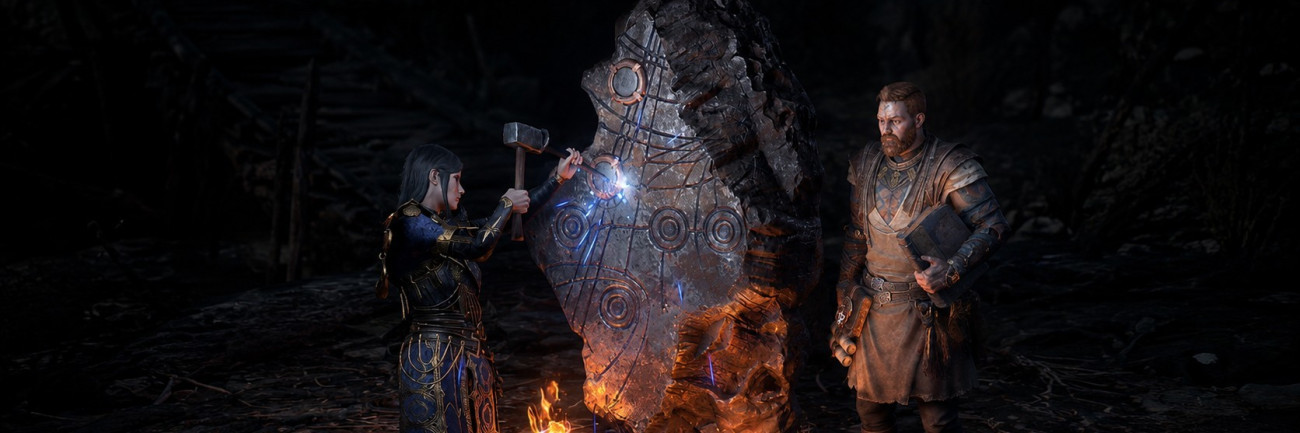
PoE 2 Runes of Aldur League Guide Quick Overview:
- Runecrafting - the main league mechanic where you interact with Ezomyte Remnants, choose a Runic Recipe, and fight undead enemies empowered by the runes used in that craft.
- Farrow and Ezomyte Remnants - Farrow is the new league NPC who introduces runesmithing and records your discoveries, while Remnants are the ancient objects you use to craft rewards during the campaign.
- Runic Recipes - special rune combinations that create items, currency, Runes, and other rewards. Stronger recipes can give better crafts, but they also make the encounter harder.
- Verisium and Runic Ward - Verisium is the main league crafting material, used to add Runic Ward to armor. Runic Ward acts as an extra defensive resource that protects you after your Life runs out.
- Runeforging, Runes, and Alloys - the league adds deeper crafting through Unique weapon upgrades, over 100 new Runes, meta Runes, and Alloys that can add special modifiers not normally available on gear.
Buy PoE 2 Exalted Orbs at Skycoach and enjoy extended crafting in the Runes of Aldur league. Get as many rerolls as you want to get the best stats for your gear with Skycoach!


Read closely 
Browse our hottest PoE 2 Boosting services








Runes of Aldur League Explained
As someone who is a big fan of both Path of Exile games, I still get confused with all the leagues, mechanics, and other changes that are coming out with every major content update.
In this article, I will explain what the Runes of Aldur league specifically includes. There’s a new league mechanic almost every new update that gives players something new to do and experience while they’re completing the story chapters for the hundredth time, to reach the endgame Atlas.
In the massive 0.5 title update called “Return of the Ancients” that’s coming to Path of Exile 2 on May 29th, Runes of Aldur is just a part of all the new things coming to the game, and today I’ll focus on the league specifically.
In this league, you get to craft or upgrade items using Ezomyte Remnants by combining runes. That’s the whole idea of the league. Obviously, it goes way deeper than that, but that’s essentially all you need to know about the league. Now that you know what it is actually about, let me tell you how it all works in more detail.
Farrow and Ezomyte Remnants
Sometime in Act 1, as you make your way through Clearfel chasing Count Geonor and whatever he has with him, you’ll encounter a new character called Farrow, a blacksmith interested in Ezomyte runesmithing, of which he has an entire book. He’ll tell you how to use Ezomyte Remnants to create all kinds of things. Remnants may appear in every zone in the game and act as crafting stations. Interact with one, and you’ll see a list of predetermined recipes that you can use to make something. Some required symbols or runes will already be there, and you would just have to insert the missing ones. If you have the runes required for the craft, you can go ahead and start the process. This will awaken the nearby monsters, who will become infused with the powers of the runes used in the crafting process. Check out more on that at Fextralife's website.
After the initial encounter with Farrow and your first runecraft, you’ll receive Farrow’s tome as a gift, where you’ll be able to automatically save any found runecrafting recipes.
How Runecrafting Works
Here’s how basic runecrafting works in Runes of Aldur:
- Approach an Ezomyte Remnant in the area.
- Check the rune symbols already carved into it.
- Choose one of the available crafts from Farrow’s tome.
- Add the required runes to complete the recipe.
- Fight the undead enemies revived by the Remnant.
- Break the Remnant after the fight.
- Claim the item created by your Runic Recipe.
The important part is that runecrafting is not just a simple crafting menu. Every recipe also creates a fight. The runes you use decide what you craft, but they also empower the undead enemies around the Remnant. This makes each encounter a small risk and reward choice. You can pick a useful craft, but you also need to survive the monsters created by that same recipe.
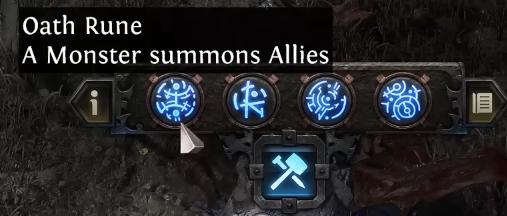
For example, to make 1x Orb of Augmentation, you’ll need to combine:
- x1 Tempest Rune - monsters gain: “cannot be shocked or chilled. All damage can shock and chill”.
- x1 Lightning Rune - monsters gain extra lightning damage.
Or the Oath Rune, which makes one of the monsters that spawn become a “leader,” making them invincible, and the only way to deal damage to them is to kill their minions.
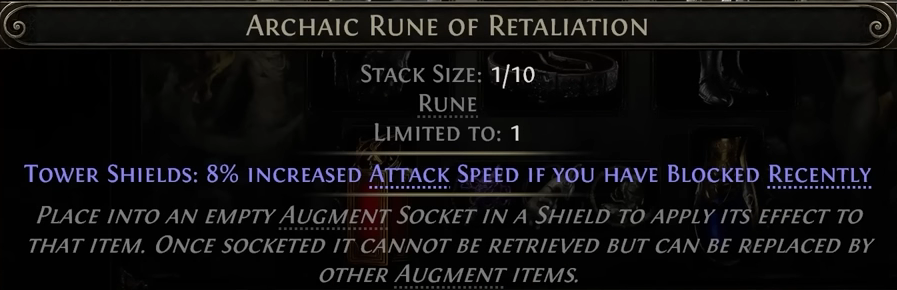
The confirmed count of new runes from official patch notes is 150+, broken into 13 Ancient Runes, 13 Mythical, 60+ Unique-destruction runes, 15 Meta crafting runes, 15+ Runic Ward Runes, and 3 Fluxes that you’ll be able to find, craft, and use in crafting. You'll find more details on the new items and changes in the official patch notes. Some examples include:
- Archaic Rune of Retaliation - Tower Shields gain 8% increased Attack Speed if you have Blocked Recently.
- Archaic Rune of Control - Quarterstaves gain 25% increased Immobilization buildup.
- Archaic Rune of Discovery - Staves have a 20% chance to create an additional Remnant.
- Archaic Rune of Animosity - Talismans let you gain 2 Druidic Prowess when you Heavy Stun a Rare or Unique Enemy.
- Archaic Rune of Prowess - Spears have a 25% chance to grant an additional Frenzy Charge when you gain a Frenzy Charge.
- Archaic Rune of Splinters - Bows gain +50% Surpassing chance to fire an additional Arrow.
- Archaic Rune of the Titan - Two-Hand Maces have a 10% chance for Slam Skills you use yourself to cause an additional Aftershock.
- Warding Rune of Reinforcement - Armor gains 20% increased Runic Ward.
- Warding Rune of Protection - Armor grants Guard equal to 20% of maximum Runic Ward for 2 seconds every 4 seconds.
- Warding Rune of Bravado - Body Armor grants +1% to all Maximum Elemental Resistances while on full Runic Ward.
- Breach of Aldur - Martial Weapons, Wands, or Staves transform all Fire and Lightning modifiers into equivalent Cold modifiers.
- Cadigan’s Epiphany - Gloves destroy all Augment Sockets on the item to create a Jewel Socket.
Early Remnants should be fairly simple, with fewer rune slots and easier recipes. As you progress, Remnants can have more slots, which means crafting rarer items but at the cost of fighting with more dangerous enemies.
Runic Recipes Explained
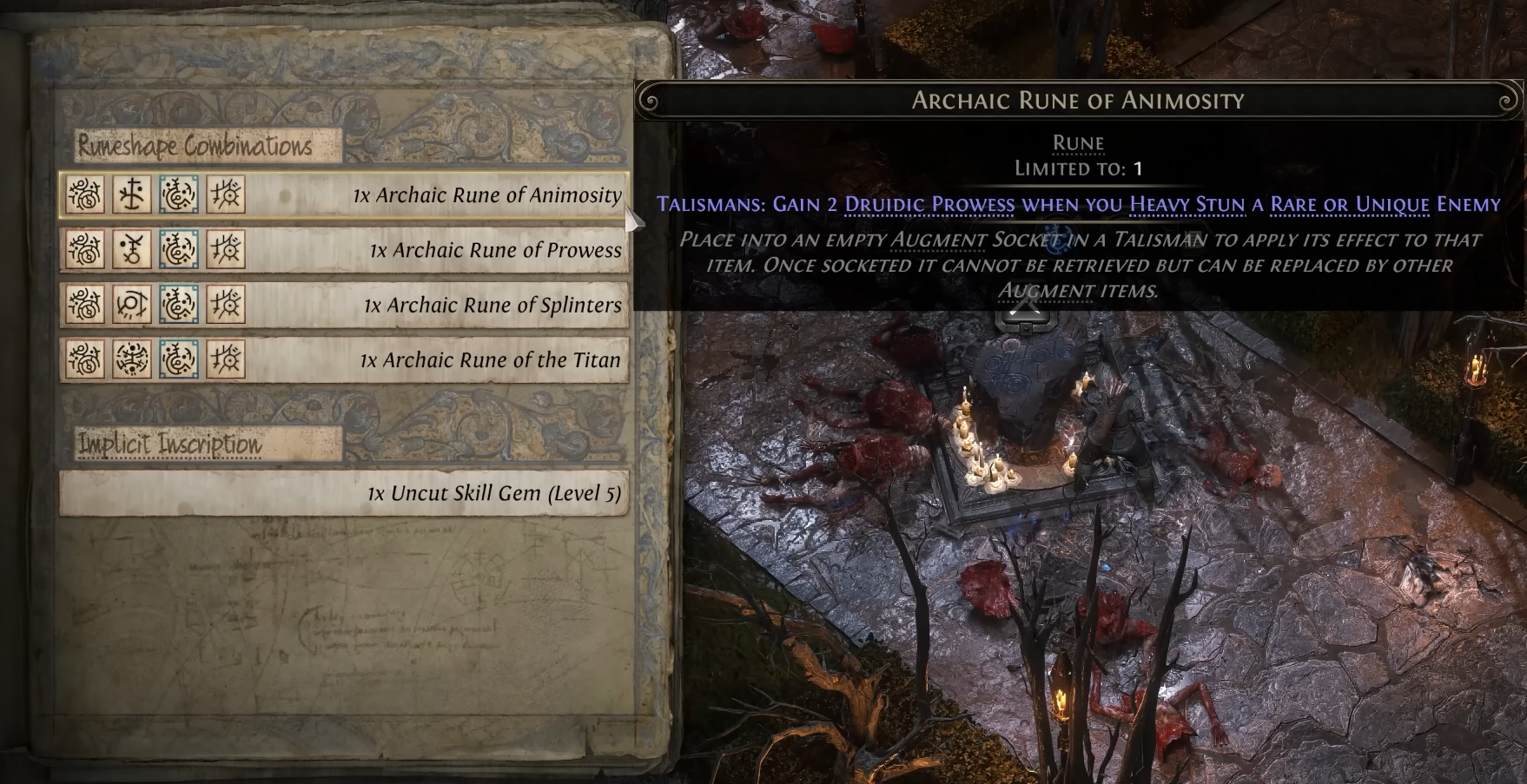
Some recipes can get pretty large, requiring six or even eight runes. Luckily, you won’t have to memorize any rune combinations. Farrow’s Runecrafting book will record all the options, allowing you to simply pick which one you want to craft, given the existing runes that are already on the remnant.
To add more recipes and craft new items, you’ll need to find more Runestones, scattered around Wraeclast. Once you interact with those, Farrow will appear and record your findings, expanding your list of recipes.
What is Verisium
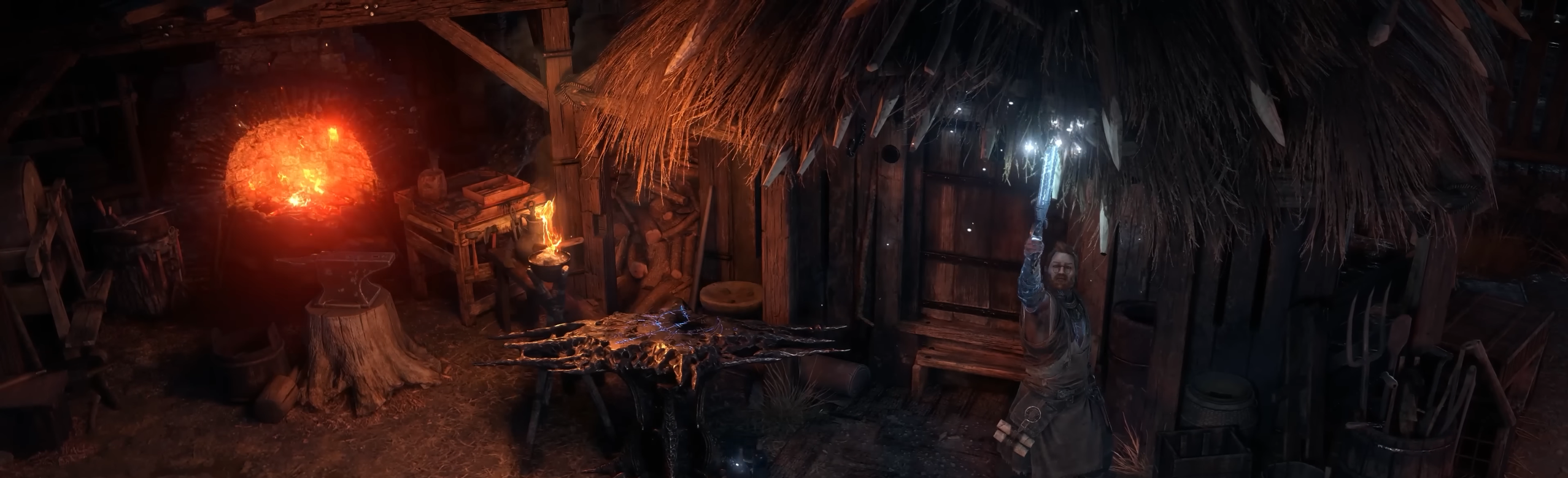
 As you continue to move through Act 1, you’ll come across a secret underground vault in the Grim Tangle area. That's where you’ll get introduced to Verisium - a metal on which engraved runes allow control over reality. In-game terms, Verisium is a material that can be used at the Verisium Anvil to transform items.
Browse our hottest PoE 2 Boosting services








Runic Ward Explained
Verisium is used in Runeforging to add a Runic Ward to an armor. It adds the “Runeforged” keyword to the name of the item.
One downside: Runeforging an item reduces its base defenses. The trade-off size depends on the item base — some lose very little armor, others lose a lot. Check the Verisium Anvil preview before committing.
Essentially, Runic Ward is a new resource that saves you from death once your health reaches zero. It has its own capacity or charge level, which acts as an extra life pool. This means that if the damage taken surpasses that extra pool, you’ll still die. You can add Runic Ward to any single piece of armor, even uniques. Doing so not only adds that extra safety net but can also add unique bonuses.
Kalguuran Skills & Runic Supports
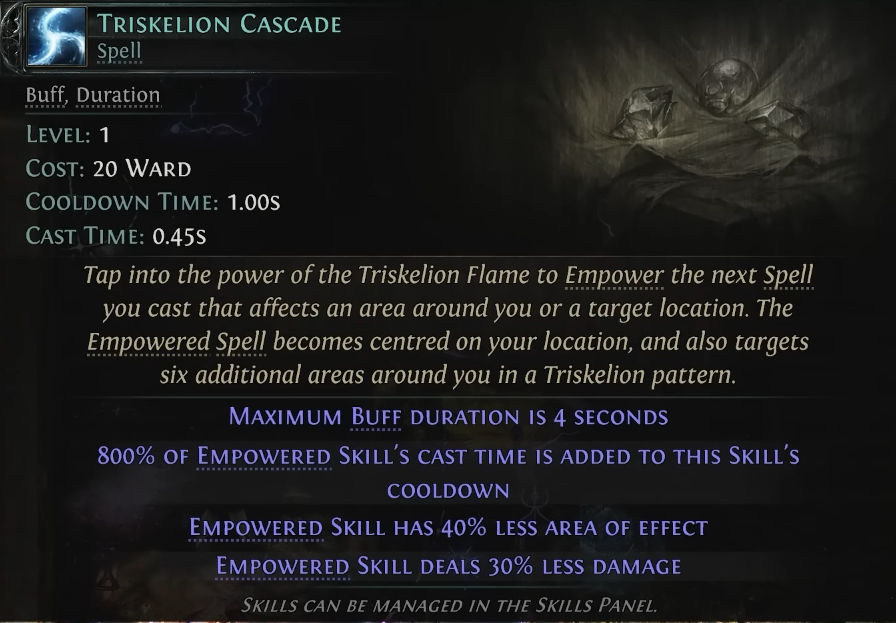
Ward isn’t just the resources that are used as an extra health pool. It is also a resource spent on activating Kalguuran Skills. These are totally new skills that you obtain from crafting them at some of the remnants.
These skills use Runic Ward as a resource instead of mana. As you can see in the screenshot, Triskelion Cascade makes any Spell be cast in this specific pattern, but it consumes 20 Ward on use. There’s a total of 21 Kalguuran Skills and 8 Kalguuran Support gems that you can craft using remnants:
|
Kalguuran Skills |
Kalguuran Supports |
|
Animus Exchange |
Concussive Runes |
|
Animus Splinters |
Fist of Kalguur |
|
Bitter Dead |
Healing Runes |
|
Conductive Runes |
Kalguuran Conviction |
|
Detonate Living |
Runeforged Blades |
|
Eternal March |
Runic Extraction |
|
Explosive Transmutation |
Runic Infusion |
|
Fragments of the Past |
Scouring Flame |
|
Frostflame Nova |
|
|
Grim Pillars |
|
|
Hollow Shell |
|
|
Leylines |
|
|
Powered by Verisium |
|
|
Refutation |
|
|
Remnants of Kalguur |
|
|
Repulsion |
|
|
Runic Reprieve |
|
|
Skyfall |
|
|
Triskelion Cascade |
|
|
Verisium Manifestations |
|
|
Voltaic Barrier |
Unlike regular skills, Kalguuran Skills have no color or attribute requirements — they work on any class with any weapon.
One example of what a Kalguuran support does is Runic Infusion. Here’s what it does: “Supports Attacks, causing them to cost Runic Ward to use but deal additional Physical damage based on their Runic Ward cost. Cannot Support Channelling Skills or Sustained Skills.”
Unique Weapon Reforging
In Act 3, you’ll be able to find a place called “Mystic Refuge,” which will allow you to use Runecrafting to reforge and upgrade unique items. You’ll use that on low-level unique items to bring them to the current level. This is done in two ways:
- Increasing the base damage of the unique item
- Upgrading an explicit modifier.
For example, a low-level Double Vision Dyad Crossbow deals 30-63 damage, but the Double Vision Runeforged Dyad Crossbow deals 52-178 damage.
New Crafting Currency: Alloys
Alloys are a new crafting currency that allows you to add modifiers to normal items, which typically don’t have access to those mods. There are 5 types of alloys, here’s the full list and what each of them does:
| Icon | Alloy Currency | How It Works | Item Type | Guaranteed Modifier |
| Runic Alloy | Removes a random modifier and adds a guaranteed modifier to a Rare item | Ring | +(25-30) to maximum Runic Ward | |
| Removes a random modifier and adds a guaranteed modifier to a Rare item | Amulet | (6-10)% increased maximum Runic Ward | ||
| Imbued Alloy | Removes a random modifier and adds a guaranteed modifier to a Rare item | Martial Weapon | (15-20)% increased chance to inflict Ailments | |
| Expansive Alloy | Removes a random modifier and adds a guaranteed modifier to a Rare item | Gloves | Remnants can be collected from (40-50)% further away | |
| Removes a random modifier and adds a guaranteed modifier to a Rare item | Body Armour | (40-50)% increased Presence Area of Effect | ||
| Removes a random modifier and adds a guaranteed modifier to a Rare item | Helmet | (15-20)% increased Mana Cost Efficiency | ||
| Removes a random modifier and adds a guaranteed modifier to a Rare item | Boots | Temporary Minion Skills have +1 to Limit of Minions summoned | ||
 |
Swift Alloy | Removes a random modifier and adds a guaranteed modifier to a Rare item | Gloves | (8-10)% increased Cast Speed |
| Removes a random modifier and adds a guaranteed modifier to a Rare item | Ring | (7-9)% increased Attack Speed | ||
| Removes a random modifier and adds a guaranteed modifier to a Rare item | Belt | Flasks gain (0.75-1.25) charges per second | ||
| Removes a random modifier and adds a guaranteed modifier to a Rare item | Shield or Focus | (25-50)% increased Totem Placement Speed | ||
 |
Mystic Alloy | Removes a random modifier and adds a guaranteed modifier to a Rare item | Caster Weapon | +1 to maximum number of Elemental Infusions |
| Removes a random modifier and adds a guaranteed modifier to a Rare item | Helmet | Spell Skills have (10-15)% increased Area of Effect | ||
| Removes a random modifier and adds a guaranteed modifier to a Rare item | Gloves | (10-15)% increased Area of Effect for Attacks | ||
| Removes a random modifier and adds a guaranteed modifier to a Rare item | Quiver | (25-35)% chance to Chain an additional time | ||
| Removes a random modifier and adds a guaranteed modifier to a Rare item | Boots | +(10-15) to Spirit |


You got -20% OFF 
Runes and Expeditions
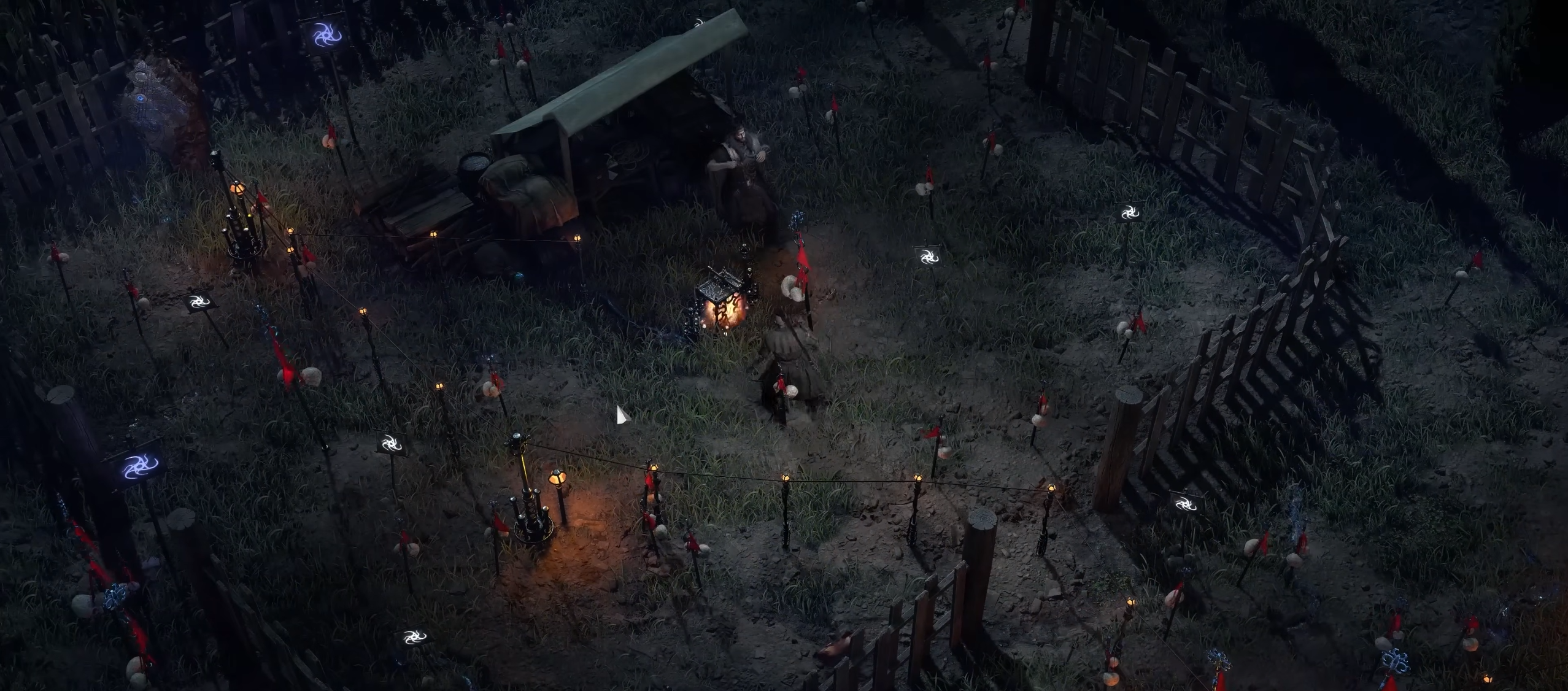
In Act 4, Farrow will be introduced to Dannig, which will essentially merge runecrafting with the Kalguuran expeditions mechanic.
As you may know, in the Kalguuran expedition league mechanic, you place explosives to uncover the buried riches and the undead that guard them. With Farrow, you’ll also uncover Verisium. On top of that, the digsites may also contain remnants from the Runes of Aldur, allowing you to do some crafts on the spot. The difference is that the empowerments that the remnants grant will now apply to every monster down the explosive line for the rest of the encounter, stacking together.
Each mod on the monster improves the items that it can drop.
Check out more Path of Exile 2 guides:
F.A.Q.
What are the Runes of Aldur in Path of Exile 2?
Runes of Aldur is the new league mechanic in Path of Exiles 2 Return of the Ancients update. It lets you craft various items using runes, create Rune Wards, or upgrade unique items.
How does the PoE 2 Runes of Aldur league mechanic work?
You interact with Ezomyte Remnants, which serve as crafting stations, and choose from a predetermined set of rune recipes to craft something. On top of that, Farrow offers Runecrafting that uses Verisium to create Rune Wards or upgrade unique items.
What are Runic Recipes in PoE 2 Runes of Aldur?
Runic recipes represent items that can be crafted at Ezomyte Remnants by combining specific runes. The process also involves you defeating the enemies empowered by the runes used in the recipe.
What does Runic Ward do in PoE 2 Runes of Aldur?
A Runic Ward is a new resource that can serve as an extra health pool or to activate Kalguuran skill and support gems.
What is Runeforging in PoE 2 Runes of Aldur?
Runeforging is a process of altering equipment by spending Verisium. Low-level unique items can have their base damage increased or specific bonuses altered. Runeforge also lets you add a Rune Ward to your piece of armor.
Is Runes of Aldur the same as Return of the Ancients?
Path of Exile 2 runes of Aldur is a new league mechanic, that’s part of a larger content update 0.5 titled “Return of the Ancients, which includes many more changes to the endgame systems.