 Crispy Jackie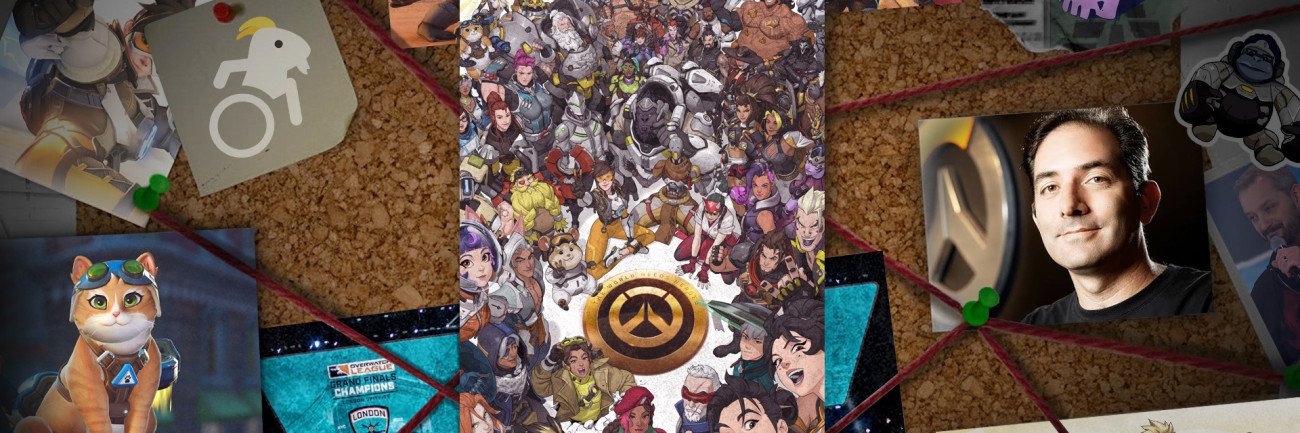
Overwatch's Entire History Quick Summary:
- Overwatch launched in 2016 with 21 heroes, 12 maps, massive hype, and universal acclaim, quickly becoming one of Blizzard’s biggest new franchises.
- The original game peaked through heroes, maps, events, PvE Archives, and esports, but Overwatch League pressure, GOATS, and stale updates slowly damaged momentum.
- Overwatch 2 arrived with big PvE promises, but its rocky launch, missing features, monetization, and canceled expectations led to the game’s 2026 “rebirth” as Overwatch again.
- This content is from my YouTube channel ARSHER, and you're more than welcome to check out the video if there's too much text for you to read.
For some, Overwatch is known for its unique gameplay and heroes, while others know it for various different reasons. But let's go back in time for a moment. It's November 7, 2014, the Senior Vice President of Story and Franchise Development, Chris Metzen, on the stage of BlizzCon, announced Overwatch. The game that was created out of the ashes of another project, that will soon become a universally acclaimed cultural phenomenon. Overwatch was announced with the game's first-ever cinematic trailer and the first look of 4 iconic characters: Winston, Tracer, Widowmaker, and Reaper.
A few minutes later, the legendary Jeff Kaplan, a game director of Overwatch, walked on stage to reveal the gameplay trailer of Overwatch. It was this moment when everyone knew this game was gonna be special. Unique gameplay, memorable heroes, beautiful graphics, and an art style unlike anything else on the market at the time. It was a full package. This year we celebrate the 10th anniversary of this beloved game that had its ups and downs. The game that changed the genre, the gaming industry, and led to the creation of numerous "Overwatch killers". Many of which didn't live long and definitely didn't outlive Overwatch. So why don't we take a nostalgic trip and relive the long and rich history of Overwatch?

Read closely 
Browse our hottest Overwatch Boosting services

Early Days of Overwatch (2016-2018)
Overwatch Release
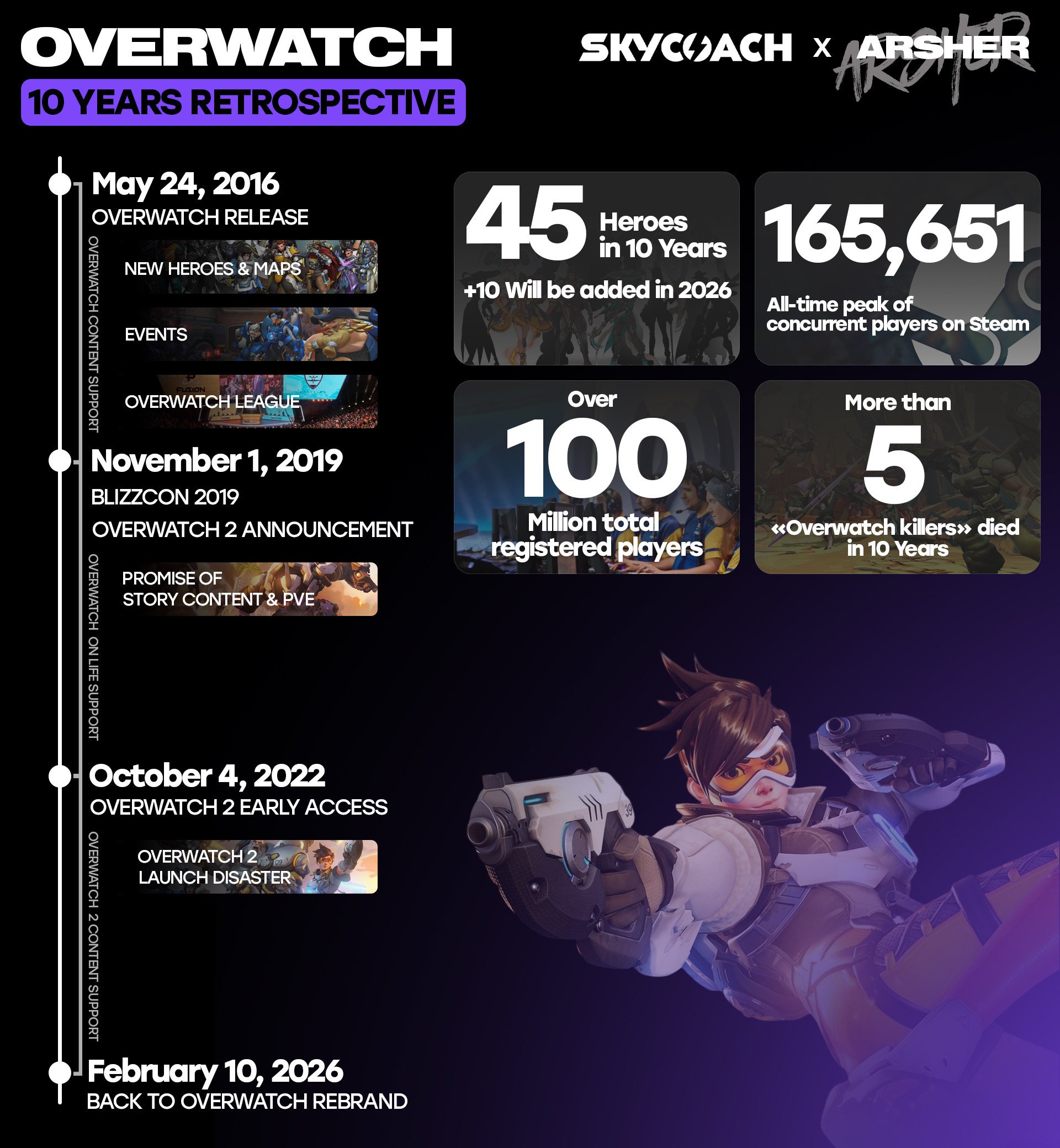
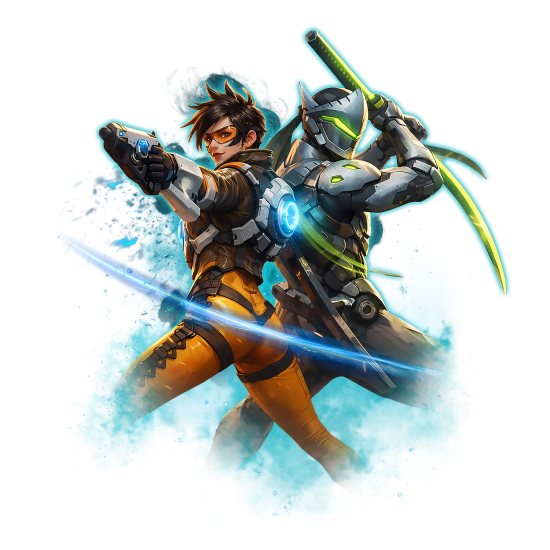
Overwatch was released on May 24, 2016, for PC, PlayStation 4, and Xbox One with 21 heroes and 12 maps in total. It was Blizzard's first new franchise in 17 years. The game was inspired by team-based first-person shooters like Valve's Team Fortress 2 and other multiplayer games of its time. Many elements and assets were borrowed concepts from the canceled Titan project. Not much is known about this project except that it was a class-based MMO in the works for seven years before the team decided to take it in a completely different direction. But let's get back to Overwatch. Even before release, the game already received a lot of hype and attention. The open beta, which took place in 2015, attracted 9.7 million players (Blizzard’s biggest open beta, as was reported not long after).
At that time, it was an insane number for a completely new first-person shooter. After the release, the hype went on a whole new level. Overwatch received "universal acclaim" upon release, scoring 91 out of 100 on Metacritic. Everyone loved this game. A week after its launch, Blizzard reported over seven million Overwatch players. And just 1 month later, by mid-June, there were already more than 10 million players. It was a top-selling game in its first few months. It seemed like everything looked perfect for Overwatch, so, naturally, players were wondering, "What's next? How would Overwatch evolve? Turns out, the answer was right around the corner.
The Beginning of Overwatch Content Updates
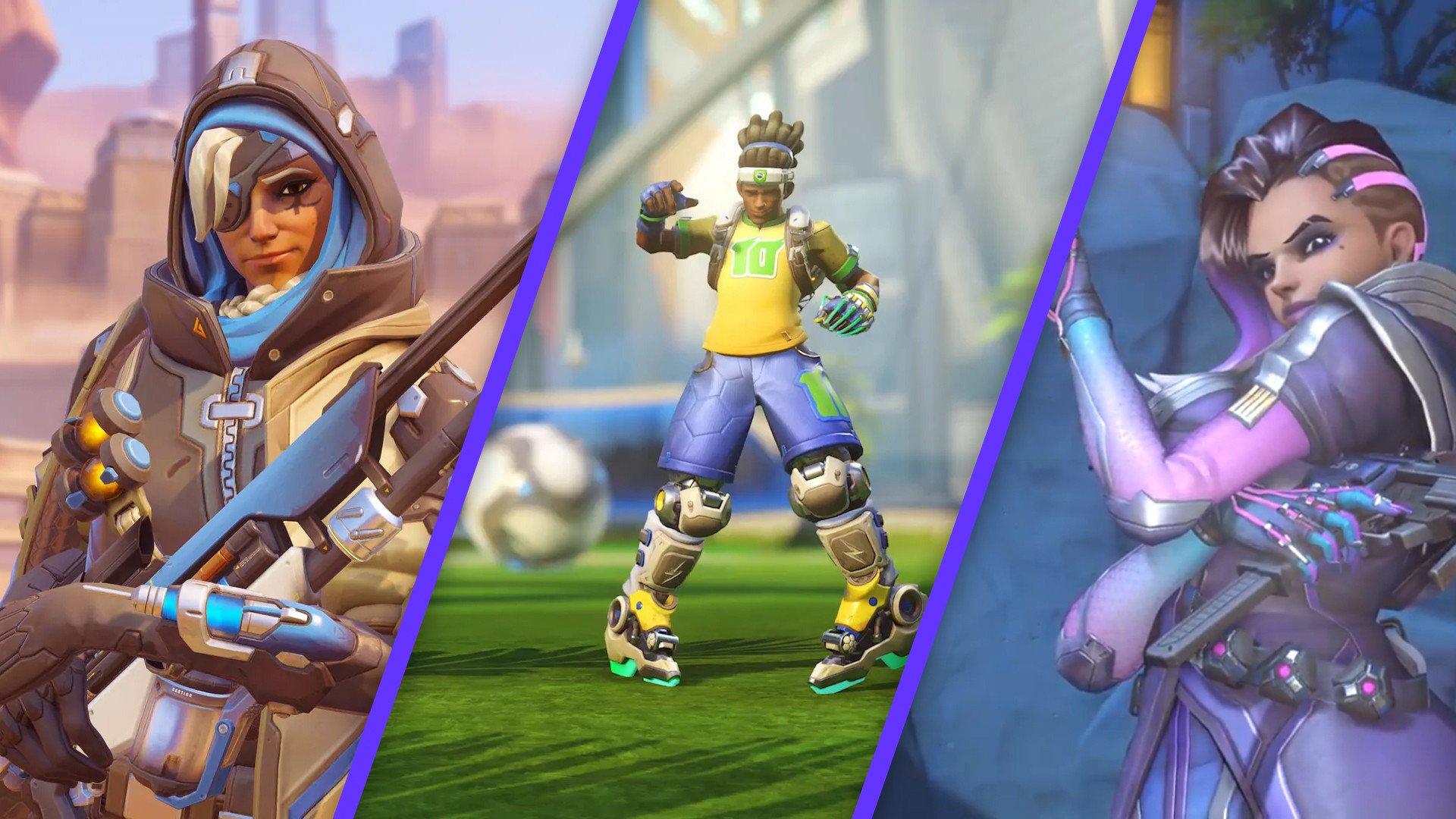
Ana Amari was the first new hero added to Overwatch after its official launch, released on July 19, 2016
Considered by many as not only the best support but also one of the best heroes overall. Ana was a great addition to the roster both in terms of gameplay as well as the story. Even if you look at one of the most recent pick rates, Ana sits comfortably in the top 5 of competitive in all regions. This says a lot about how well Blizzard nailed this hero from the start.
Moving forward on August 2nd, 2016, we got the first-ever seasonal event - Summer Games. It introduced the 3v3 soccer-style brawl, Lúcioball, and added over 100 themed cosmetic items (skins, sprays, voice lines). All of these cosmetics were obtainable through limited-time Seasonal Loot Boxes. It’s hard to imagine now, but back then Overwatch didn’t have a Battle Pass or even an in-game store. Every major event brought new cosmetics that players could earn just by playing the game. The event ended on August 22nd, and just 10 days later we had the first-ever new map, Eichenwalde. This map was well received by players and carried a lot of lore with it. Eichenwalde later appeared in Reinhardt’s cinematic Honor and Glory (where we had a look at the future new hero Brigitte) and also was repurposed for the Halloween event - Junkenstein's Revenge as Adlersbrunn.
At this point, we can already see the approach Blizzard took for content support of Overwatch:
- New heroes
- New maps
- Events
Speaking of events, on October 11, 2016, we got the Halloween Terror event with the game's first-ever co-op PvE game mode. But in the meantime, something weird was happening in the Overwatch community.
Sombra ARG
Following the announcement of Ana as the 22nd Overwatch hero, Blizzard launched a series of cryptographic puzzles, an Alternate Reality Game (ARG). With new promotional materials, including Ana's origin story, Summer Games, as well as developer updates and random screenshots, Blizzard was putting in hidden messages and hints. The community spent weeks piecing everything together, carefully documenting and analyzing every possible hint. And while there was still debate at the time, one thing became increasingly clear - Sombra was behind all of this. Looking back, it was one of the most unique and memorable moments in Overwatch history, and arguably one of the best things Blizzard ever did for community engagement. On the one hand, many people grew too impatient with this ARG, but eventually, Blizzard announced and, on 15 November, 2016, released a new hero - Sombra.
Overwatch 2017 Updates and Uprising PvE Event
Continuing through the updates, we got Winter Wonderland on December 13, featuring Mei’s Snowball Offensive, followed by Oasis on January 3, 2017, and the Lunar New Year event on January 24, which introduced Capture the Flag. At this point, Blizzard had clearly set the standard for Overwatch’s live-service model: seasonal events, new heroes, and maps. And this was the case until one pivotal moment. On April 11, 2017, we got the first-ever story PvE event - the Uprising. Since the very beginning of Overwatch, fans have asked for a TV series, full movie, or story mode. This was the first glimpse of what story-focused PvE mode could have been. And players loved it.
This event focused on Tracer's first mission as an Overwatch agent in King’s Row, where a Null Sector riot was taking place. Uprising ended on May 2, 2017, and from this moment, players' expectations for content updates went higher. We got a taste of PvE story missions, and we want more. Also keep in mind that all content updates, including Uprising, were completely free for all players. No DLCs or other microtransactions other than loot boxes were in the game at this point. Then on August 29, 2017, Deathmatch was added to the game, and while content was still coming in, a pattern was starting to show: recycled seasonal events, familiar modes, the same formula.
It was getting stale in terms of content. But there was something for Overwatch on the horizon. Something that would change the game for better or, most likely, for worse - the Overwatch League.
Peak and Fall of Overwatch (2018-2019)
Overwatch League
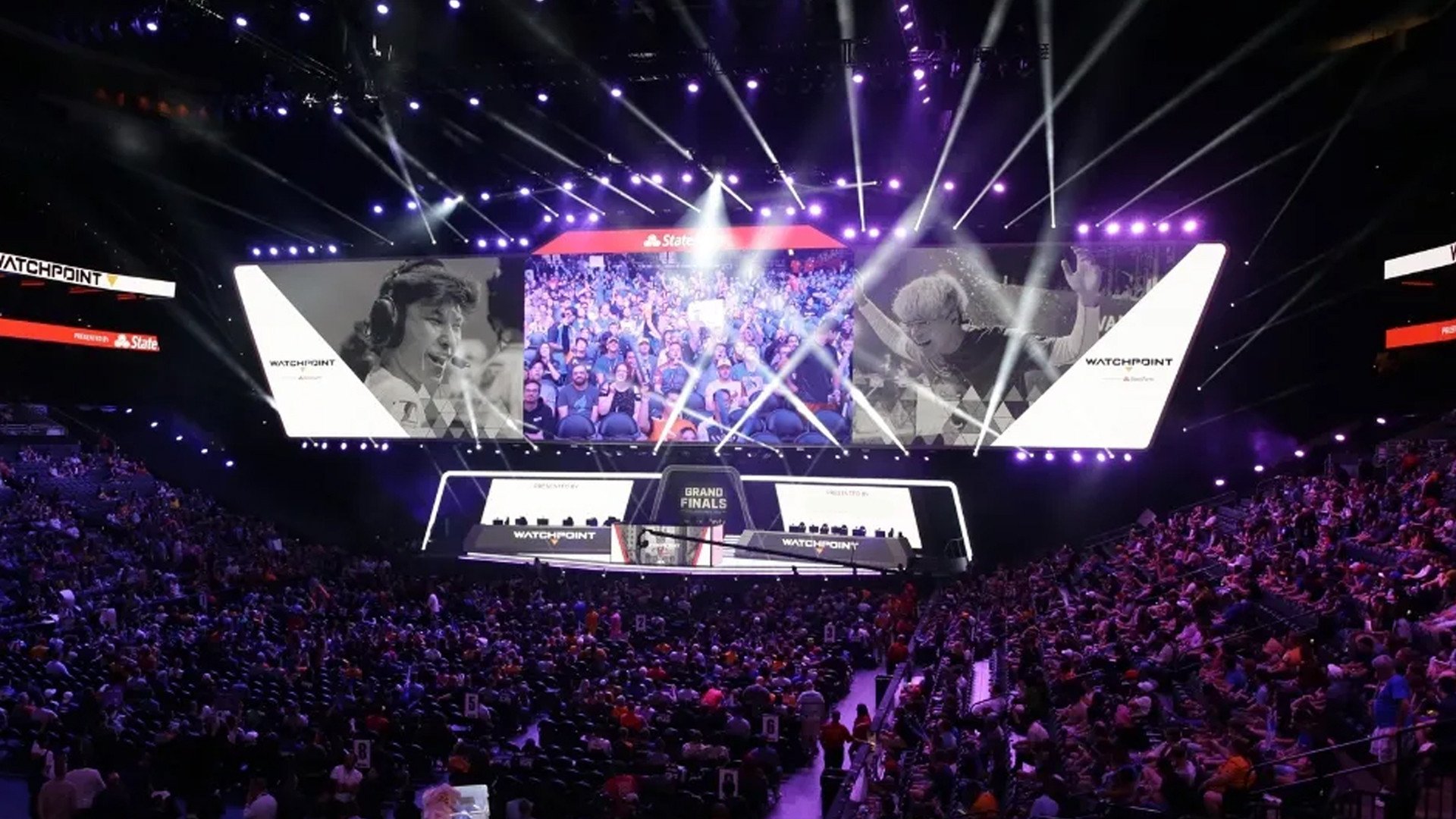
For those unfamiliar, the Overwatch League was Blizzard’s ambitious attempt to turn Overwatch into a global esport, with professional teams from North America, Europe, and Asia competing for massive prize pools, championships, and international recognition. Overwatch League was more complicated than most esports tournaments, but basically, before being able to participate, each organization had to invest millions in franchise fees to represent a specific city the team would be tied to. For example, London Spitfire, San Francisco Shock, Dallas Fuel, Shanghai Dragons, etc. This worked similarly to traditional sports leagues like the NBA or NFL; however, unlike traditional sports, players themselves didn’t need to have any connection to the city they represented. After that, teams built professional rosters with players from different regions competing throughout the season.
The best teams advanced into the playoffs after months of regular matches and stage tournaments. And in the end, the top two teams faced off in the Grand Finals for the championship title, trophy, and prize pool. It all sounded good on paper, and the inaugural season of 2018 was a success with an overall peak of 437,006 concurrent viewers. But as time went on, the cracks slowly started to show. And no, I'm not talking about countless controversies surrounding the Overwatch League. It's the way it affected the game itself. You see, at the time of developing Overwatch from 2013 to 2016, the esports scene was growing in popularity. Games like CS:GO, Dota 2, League of Legends, and even Blizzard's own StarCraft 2 were massive in esports. But Overwatch's development was not dedicated to esports. Lead director Jeff Kaplan even emphasized the importance of avoiding excessive commitment to esports too early in the game's lifespan.
However, the popularity and players' engagement couldn't be foreseen by higher-ups. In October 2016, Bobby Kotick, then CEO of Activision Blizzard, first publicly mentioned the Overwatch League, highlighting the massive viewership of user-generated esports content as well as its potential. The intentions were clear. The aim was to create a financially successful esports league that could compete with the biggest titles like Dota 2 with its massive The International, League of Legends, and even traditional sports leagues. The ambitions may have simply been too big for a game that was still growing. But while Blizzard was slowly shifting more focus toward esports, the game itself was still thriving.
And honestly, in my opinion, 2018 was peak Overwatch. And I think a lot of you would agree. As always, new heroes, maps, cinematics, comics, and lore reveals kept coming one after another. Even though some of it was hit or miss. Yes, I'm talking about the notorious Assault game mode. The community especially hated Horizon Lunar Colony and Paris. Two Assault maps so infamously bad that Blizzard eventually removed both of them, alongside the entire Assault mode itself when Overwatch 2 launched. But I'm getting ahead a little bit. Going back to 2018, there was also something much bigger on the horizon. Overwatch Retribution.
Overwatch Retribution Era
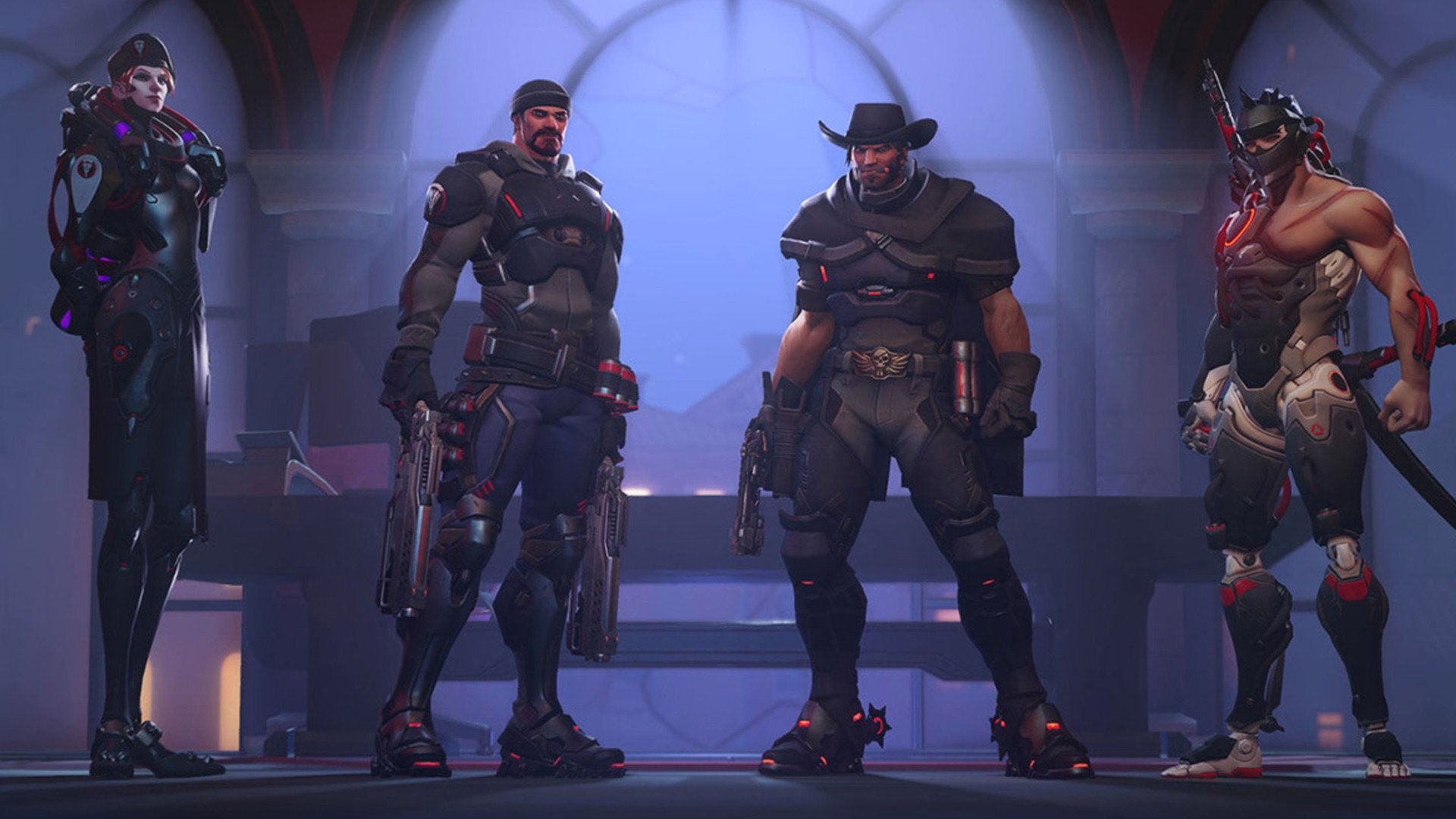
Following the amazing reception of Uprising, Blizzard was working on something much bigger
Much more expanded on co-op PvE and storytelling formula. They even turned these story-driven events into their own dedicated series called Overwatch Archives. Set years before the events of Overwatch, Retribution followed a Blackwatch mission in Rialto that quickly spiraled out of control after the team’s cover was blown. What started as a covert operation turned into a chaotic escape for Moira, Cassidy (then known as McCree), Reaper, and Genji, while also giving players a much darker look at the world of Overwatch and the morally questionable side of the organization. This mission was amazing, raising the bar for quality once again. And unsurprisingly, the Overwatch community wanted more of it. Every new cinematic short and story mission only made players crave a full PvE experience more and more. While PvE and lore content kept improving, the PvP side of Overwatch was starting to feel stagnant.
On top of that, Blizzard began introducing some pretty questionable balance changes, many of which were heavily influenced by feedback from professional players. And speaking of the Overwatch League. By late 2018, the competitive scene was entering one of its biggest crises yet - the GOATS.
Browse our hottest Overwatch Boosting services
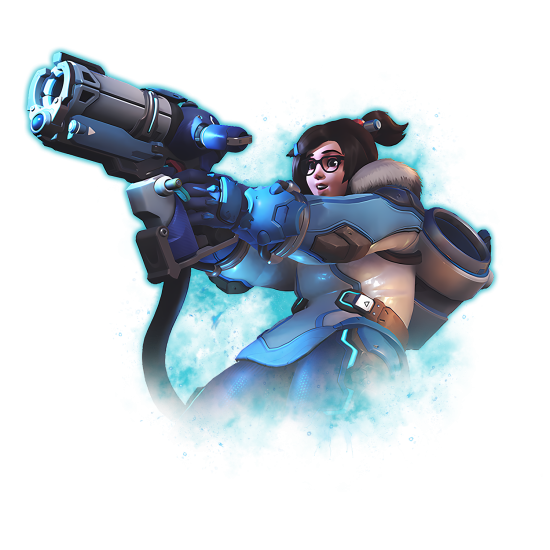



Overwatch League GOATS Meta
With the release of Brigitte in 2018, the PRO scene had become completely dominated by the infamous GOATS meta. For those who are confused right now, GOATS is a famous Overwatch team composition consisting of 3 tanks and 3 supports (3-3), designed for high-sustain, close-quarters brawling. In practice, it turned matches into long, chaotic brawls where almost no one dies, and fights often came down to which team could outlast the other. For the audience, it meant watching long and boring matches over and over again, which contributed to declining viewership.
And for Blizzard, that was a serious problem. In response, the developers pushed out a series of increasingly questionable balance changes in an attempt to break the meta. But the truth is that most of the actual player base wasn’t even playing GOATS in regular Competitive or Quick Play matches. There is a big difference between how regular and PRO players experience the game, but Blizzard balanced the game the same way for both sides, favoring PRO players more often than not. In my opinion, that ended up hurting Overwatch more than helping it.
Overwatch Storm Rising
Speaking of decline. Remember when I mentioned multiple times about stagnation of content? From here it was getting much worse. Going into 2019, we had the same old recycled events, a couple of new heroes, maps, and thankfully one more new Archive event - Storm Rising. After working on two previous PvE events, Blizzard was clearly getting more confident with their approach to story-driven content each time. But did Storm Rising really raise the bar over Retribution? Gameplay-wise, not really. It was mostly the same PvE game mode as Retribution, with a few improvements like better cutscenes and weather effects. No new enemies or any mechanics were introduced. But story-wise, it was a big step further.
While Uprising and Retribution focused on events from the past, Storm Rising was the first time we actually got a look at what was happening in the present-day world of Overwatch. It also introduced several major characters like Sojourn and Maximilien, alongside a mysterious figure teased at the end who would later be revealed as Ramattra. While not pushing any boundaries, Storm Rising did something important - set the stage for the future storyline of current events Meanwhile, in terms of other content, the game was in a dire state. Players and content creators couldn't help but wonder: What is going on? Is Overwatch dead? As it turned out, Blizzard was preparing to reveal their vision for the future of Overwatch.
Overwatch 2 Announcement and Death of Overwatch (2019-2022)
Overwatch 2 Announcement
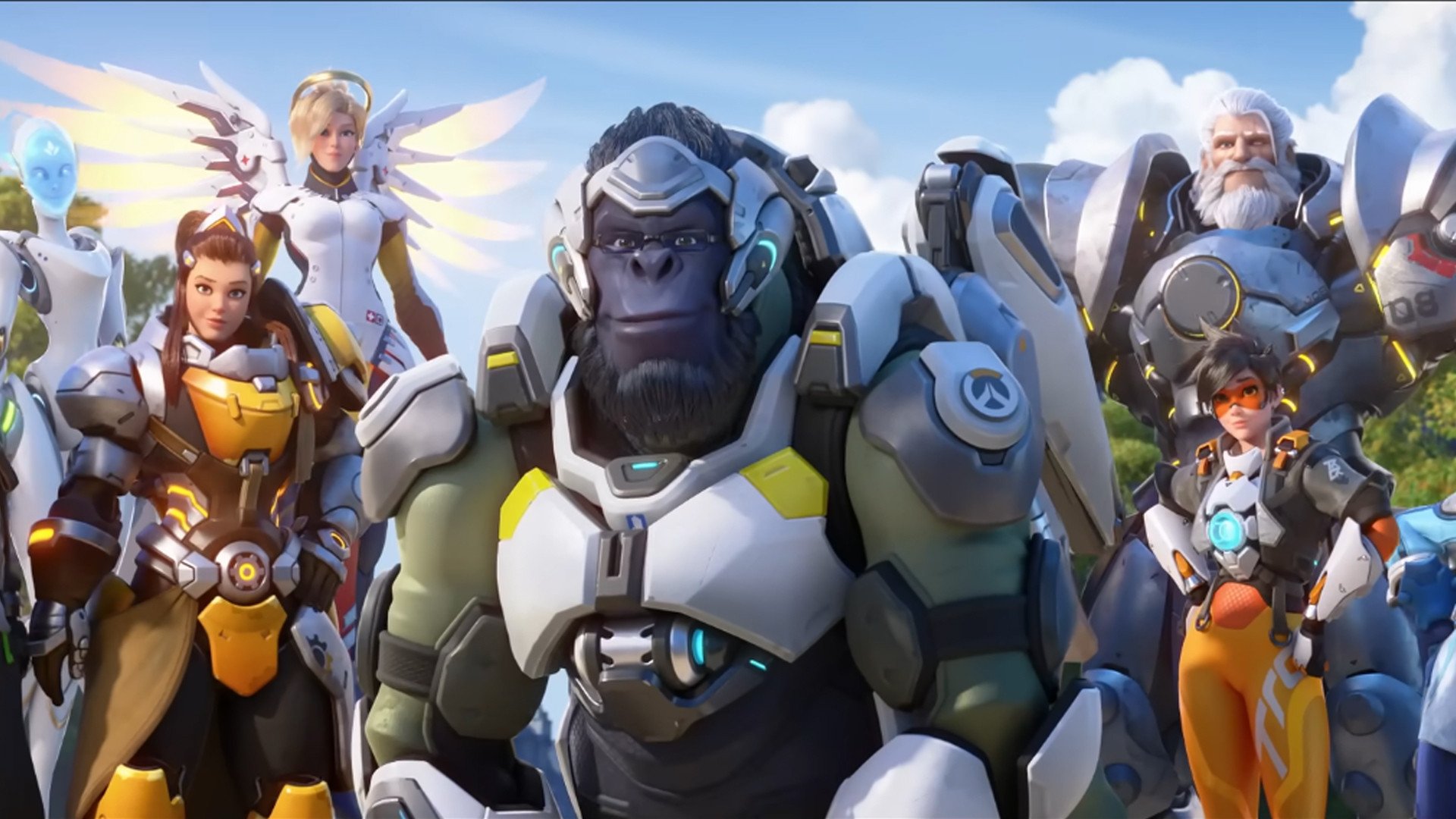
In October 2019, just a few days before BlizzCon, the image of Tracer and the Overwatch 2 logo surfaced online. This came out of nowhere, and people were confused: Is this fake? Are we really gonna get an Overwatch sequel? And why do we need one? There were too many questions. Some players recalled seeing the first leaks on Kotaku by Jason Schreier a few months prior about a new Overwatch project with a focus on PvE and the similarity to the Left 4 Dead game. And it didn’t take long for all those rumors to be confirmed. On November 1, 2019, Overwatch 2 was announced with the Zero Hour trailer. At the end of the cinematic, a simple question was asked: “Does this mean Overwatch is back?” That's exactly how the audience and players around the world felt: Overwatch is back. The promise was clear: story missions and tons of PvE content, including hero missions with progression where you would have been able to level up and customize your abilities.
Sounds familiar? Well, it's something that we got years later with Stadium. In terms of PvP, there was a new game mode - Push, as well as new maps, heroes, and a redesigned look for some of the old ones. The shared multiplayer experience between original Overwatch and Overwatch 2 was promised, whatever that means. But overall, players were excited to see what Blizzard was working on, though some of them were still questioning whether or not we even need a sequel. Why can't it be just an update or DLC? To answer the question, according to the developers, the Overwatch 2 engine received major upgrades behind the scenes to better support the scale of the PvE experience they wanted to create. Unfortunately, no release date was announced, so all that was left was to wait and see.
Meanwhile, from this point, original Overwatch stopped receiving content almost completely. In 2 years, all we got was 1 new hero - Echo, a new deathmatch map - Kanezaka, cross-play, and Workshop - a cool scripting tool that expanded the customization of custom games. But at the same time, we didn't get much news about Overwatch 2 either up until February 2021, when developers finally broke the silence with new PvP as well as a PvE showcase.
Game Director Jeff Kaplan Left Overwatch Team - Reasons and Consequences
Not long after the Overwatch 2 showcase, in April 2021, the community was shocked to hear that Jeff Kaplan, the lead director, was leaving Blizzard after 19 years with the company. Aaron Keller, one of the original members of the Overwatch team, stepped in as the new game director. But clearly something weird was going on behind the scenes. Losing someone as important as Jeff Kaplan in the middle of Overwatch 2’s development didn’t exactly inspire confidence. Recently, Jeff Kaplan himself, in a new interview with Lex Fridman, revealed the main reason for his decision and what exactly went wrong. According to him, a huge part of the pressure came from the heavily over-marketed Overwatch League and its failure to live up to expectations.
It got to a point where commitments made to the Overwatch League and its "billionaire investors" started to interfere with work on the game itself. The final breaking point came from leadership threats of massive 1000 people layoffs if Overwatch 2 didn’t hit internal targets. Ultimately, Kaplan walked away from Blizzard and the Overwatch team, but at the time we didn't know all that back then. So naturally, the questions were: what's going on, and how will it affect the ongoing development of Overwatch 2? A year later, in March 2022, Aaron Keller broke the silence and gave us some answers in the Developer Update. First of all, he stated that the team has been making great progress, but right after that came a mixed message: "We want to get the game in your hands soon.
This starts with decoupling the PvP features of the game from the PvE systems." In the end, he announced the closed beta and wrapped up the update. Basically, his message meant that PvE, the main highlight of Overwatch 2, is not coming anytime soon, and the devs were shifting focus to PvE. Looking back, it probably makes sense now, because Overwatch was always the PvP-focused game, and while shifting focus to Overwatch 2 with a PvE component, the devs let down the core player base. But at the time, many players were furious, while others were hopeful for the best. A couple of months later, in June, Blizzard held an Overwatch 2 Reveal Event when they told us more about the current state of the game, a shift to free-to-play, some plans for the future, and the release date of October 4, 2022, marking it as an Early Access while shutting down the original Overwatch servers.


You got -20% OFF 
Overwatch 2 Era Begins (2022-2026)
Overwatch 2 Early Access
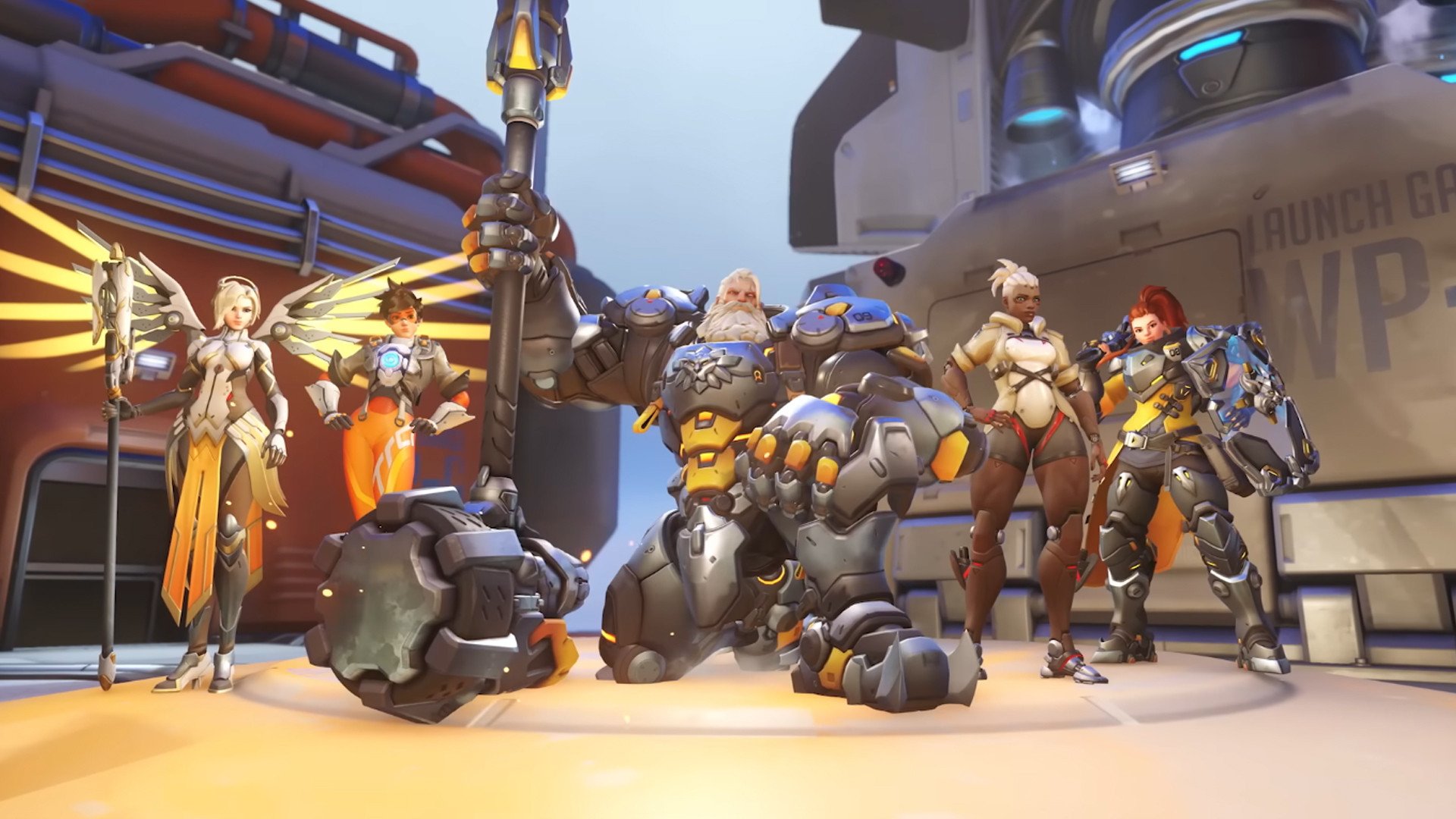
So, with all that was done and said, was Overwatch 2 good or better than the original on its early access day? No. The launch was a disaster, with players running into long queues, connection issues, and bugs
But even ignoring these issues, when looking at the whole picture of what we got with Overwatch 2 at first, many players, including me, couldn't help but get confused. Overall, it was the same Overwatch, but now with 5v5 instead of 6v6, with a new game mode - Push, that to this day, is questionable, to say the least, with 3 new heroes, 6 new maps, and, in my opinion, the best addition was the ping system. For Blizzard, naturally, the main new additions probably were the Battle Pass, and Shop that replaced loot boxes and introduced more aggressive monetization. On top of that, many features from original Overwatch were removed, like Profile Levels and borders, the "on fire" meter, looking for group, the end-of-match screen, assault game mode, and some more minor things.
I think it's pretty clear now: what we got was a stripped-back version of Overwatch with some new heroes and maps that we otherwise would have got if they didn't stop supporting the game, more aggressive microtransactions, and a lack of feeling of being rewarded for playing the game. No PvE in sight, nothing specific. It was bad. But fortunately, the Overwatch team didn't give up. It's worth mentioning that for Overwatch 2, all new content was coming in the form of seasons. Over time, they added back some removed features like the leveling system and the on-fire meter while also keeping adding new content. Turns out, there was even something PvE-related coming.
Overwatch 2 Invasion and Full Game Release
On June 11, 2023, Blizzard revealed the Invasion update with 3 PvE missions that were included in purchasable DLC as part of Season 6. This update also marked the end of early access and the release of Overwatch 2 on Steam, which was a big deal since all Blizzard games were released exclusively on Battle Net before. As for the release of the update, it didn't meet the expectations for most players. It was only 3 short missions with nice cutscenes that were, for some reason, streamed from the cloud instead of in-game. Blizzard didn't even include 1 more mission in India with Widowmaker and Zenyatta that they already showed in one of the trailers before. And let's not even talk about all the promises for hero missions and PvE content that were made all the way back in 2019.
As I said, it was good to have something after all the waiting, but Invasion didn't meet players' expectations. Unsurprisingly, when Overwatch 2 came out on Steam, reviews weren't good at all, to the point of the game becoming the worst user-reviewed game in Steam's history. Most likely, Invasion didn't meet financial expectations either, because after that, the Overwatch team fully shifted their focus to PvP. But once again, the Overwatch team didn't give up on the game. New content kept coming in over the years in the form of usual new heroes, maps, cosmetics, and even new game modes like Flashpoint and Clash. One thing that separates new Overwatch from the old one is that developers weren't scared to experiment with the game. But in 2023, something big happened. Overwatch League was over.
The End of Overwatch League
After the end of the sixth, and as it turned out, the final season of Overwatch League, Blizzard held a vote for team owners about its future. Blizzard allowed team owners to vote on whether to continue participating or exit the league with a $6 million termination fee. The majority voted to exit. It was the end of the Overwatch League. For some, this decision came as a surprise, but there were many reasons for this to happen:
- The decline in engagement and overall view count
- Flawed Business Model
- Corporate Scandals
- COVID-19 pandemic forced the league to go online, damaging its concept of holding it in team cities venues and causing massive financial losses
After all, Blizzard partnered with FACEIT and transitioned Overwatch esports into a more traditional format known as the Overwatch Champions Series.
Overwatch 2 Updates Continue
Now we're getting really close to the present day. With all updates, as always, we had new heroes and maps. Lots of experiments and actual improvements. In Season 15, even loot boxes were brought back to the game. To this day, Blizzard is clearly trying to recover from all the damage they've done and regain gamers' trust. But there are 2 major events worth discussing, the first of which is Stadium. In April 2025, Blizzard announced a brand new game mode coming to Overwatch 2 in Season 16.
It was a very different experience from all that we've seen before. It is a 5v5, multi-round, best-of-7 game mode where you can earn points to buy items, upgrades, and select unique "Powers" that modify your hero's abilities. Yes, that's exactly what was planned for the PvE Hero Missions of Overwatch 2. The dev team took time to repurpose this system and implement it for the PvP part of the game. Stadium received a lot of positive feedback from players, and developers kept expanding it with new heroes and maps for a while, but in one of the recent Director’s Take updates, the end of content support in July 2026 was announced due to low player engagement.
Overwatch Reborn (2026 - Ongoing)
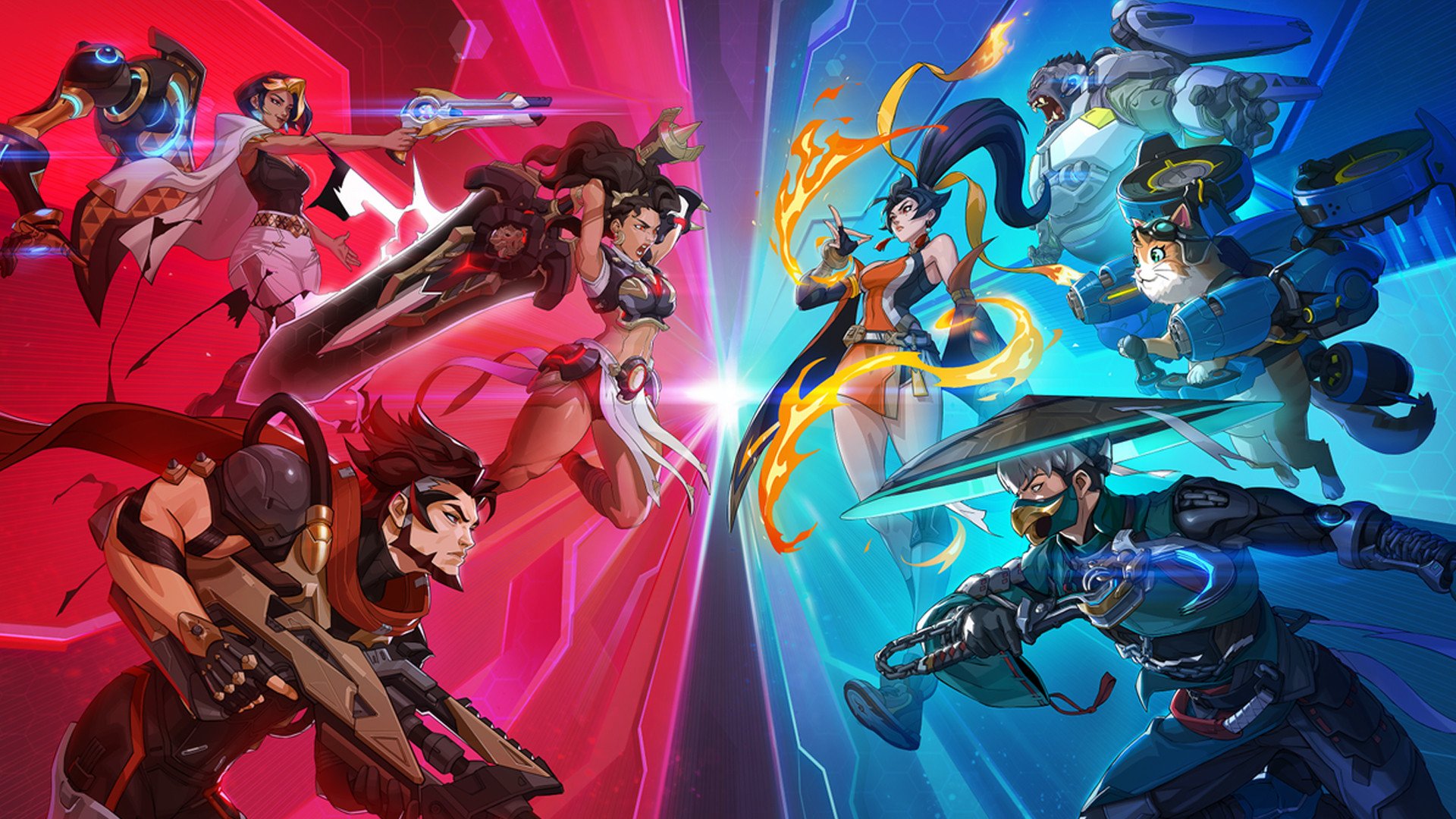
And now we've come to the latest pivotal moment for the game. In February 2026, the Overwatch team showed huge upcoming changes with 5 new heroes, a reworked UI, and in the end, it was announced that Overwatch 2 is dropping the 2 and going back to being Overwatch, starting over with Season 1. Many of the changes were made due to a real thread of one of the latest “Overwatch killers” that actually did manage to hurt the game - Marvel Rivals. For multiple years, the game’s journey was a rollercoaster. But it's clear people in charge of Overwatch are passionate about the game, and they're trying to get on the right track. As for us, players, we can only wait and see. Who knows, maybe we'll get something ambitious in the future. Maybe Blizzard will revisit the idea of a story mode or cinematic series? But for now, thanks for checking out this retrospective, and I hope to see you again soon!