 Dallon Avery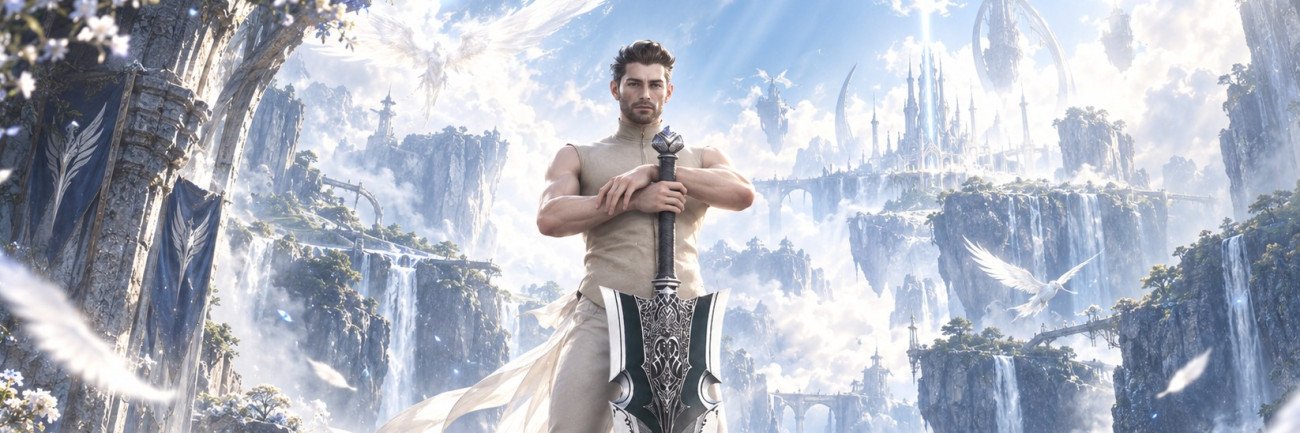
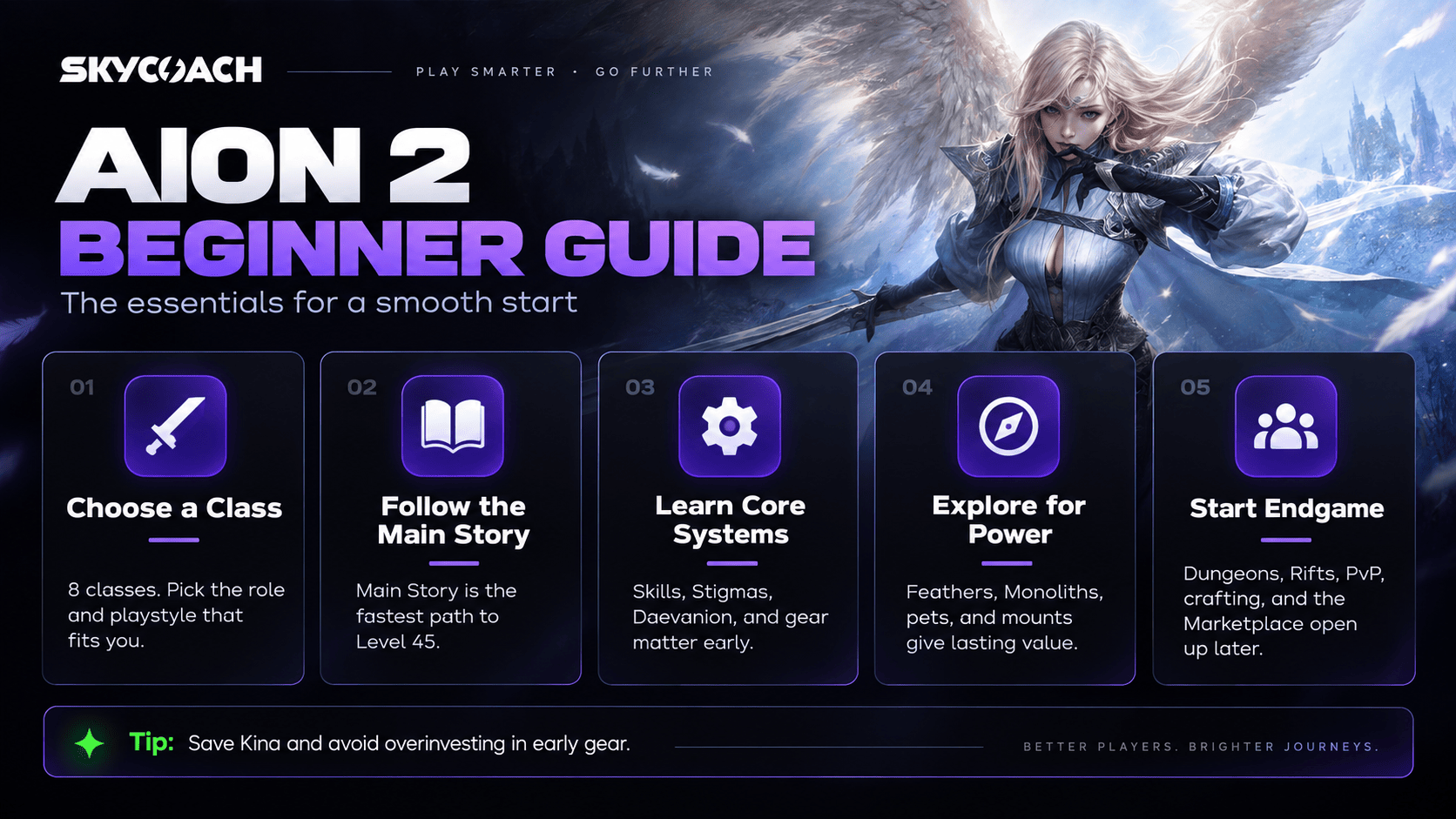
AION 2 Beginner Guide Quick Overview:
- Choose your class. AION 2 has eight classes. They cover tank, healer, support, melee, ranged, and magic DPS roles. Pick based on the playstyle and role you want.
- Reach the level cap through the Main Story. New players should primarily follow the main questline while learning combat and unlocking core systems. The Global launch build is expected to cap characters at Level 45. Korea and Taiwan currently have a Level 50 cap after Chapter 1.
- Most character progression continues beyond leveling. Systems like Daevanion, Stigmas, Feathers, Monoliths, pets, gear enhancement, and Arcana gradually become important. Many receive much more attention once the character reaches max level.
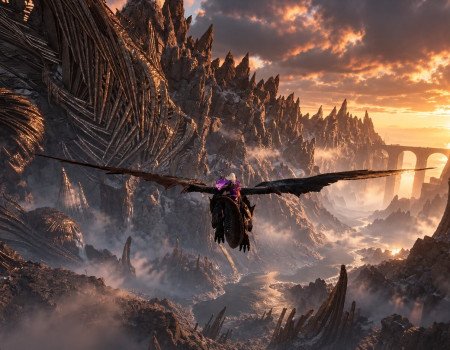
- Flying is a core part of AION 2. Players can freely fly throughout every region rather than only designated zones. Flight is used for traversal, exploration, reaching collectibles, and navigating AION 2's vertical world.
- Monsters can become both pets and mounts. Defeating creatures contributes toward unlocking them through the pet system. Pets aren't purely cosmetic either. Their collection and progression provide additional character power over time.
Need help leveling up your new chraracter? Buy AION 2 Powerleveling service at Skycoach and enjoy the benefits of a high-leveled character - more abilities, better gear, more activities to enjoy.


Read closely 
Browse our hottest Aion 2 Boosting services





What is AION 2
AION 2 is the sequel to AION (I know, I couldn’t believe it myself) that takes place 200 years after the original game. Players return to Atreia as either Elyos or Asmodians. Both factions begin in separate regions before eventually colliding through large-scale RvR content.
This game series is truly near and dear to my heart because it was one of the few games that introduced an almost unlimited flying mechanic and allowed you to have these majestic wings. It caught my attention right away. Back then, the first game was also pretty beautiful - it ran on CryEngine, the same engine that was made for Crysis games.
The flying and most other defining features of the first game are back in AION 2, which now looks better than most other games in the same genre. To be honest, though, this beautiful and colorful world feels pretty empty. It doesn’t have quite the same lived-in feel as the world in Black Desert, where you have all these NPCs walking around and some of them “stuck” in unique animations that create the feeling of a living world. Atreia in AION 2 feels more sterilized in this sense.
But this is a beginner’s guide and not my personal AION 2 review, so let’s get into the details.
AION 2 Classes and Roles
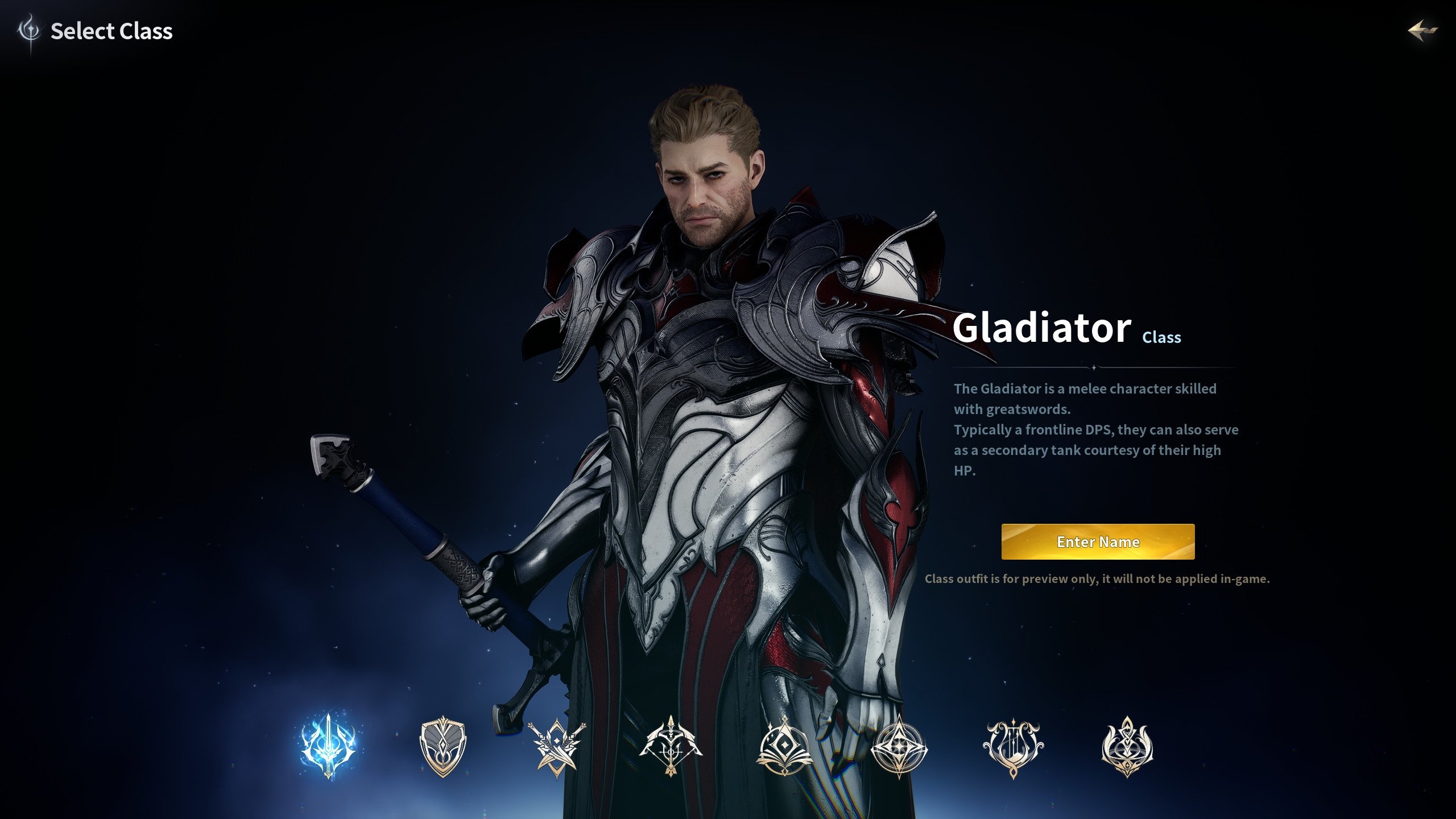
The game launches with eight playable classes, although the ninth already exists on the Korean and Taiwanese versions of the game. Anyway, I bet you could recognize some of these from the first game:
|
Class |
Role |
Playstyle |
|
Gladiator |
Tank / Melee DPS |
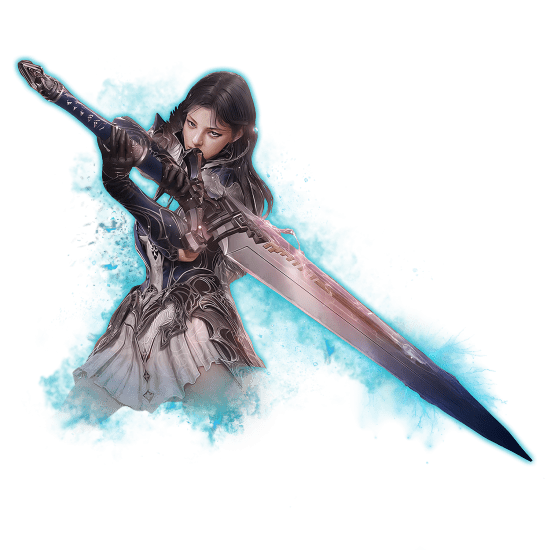
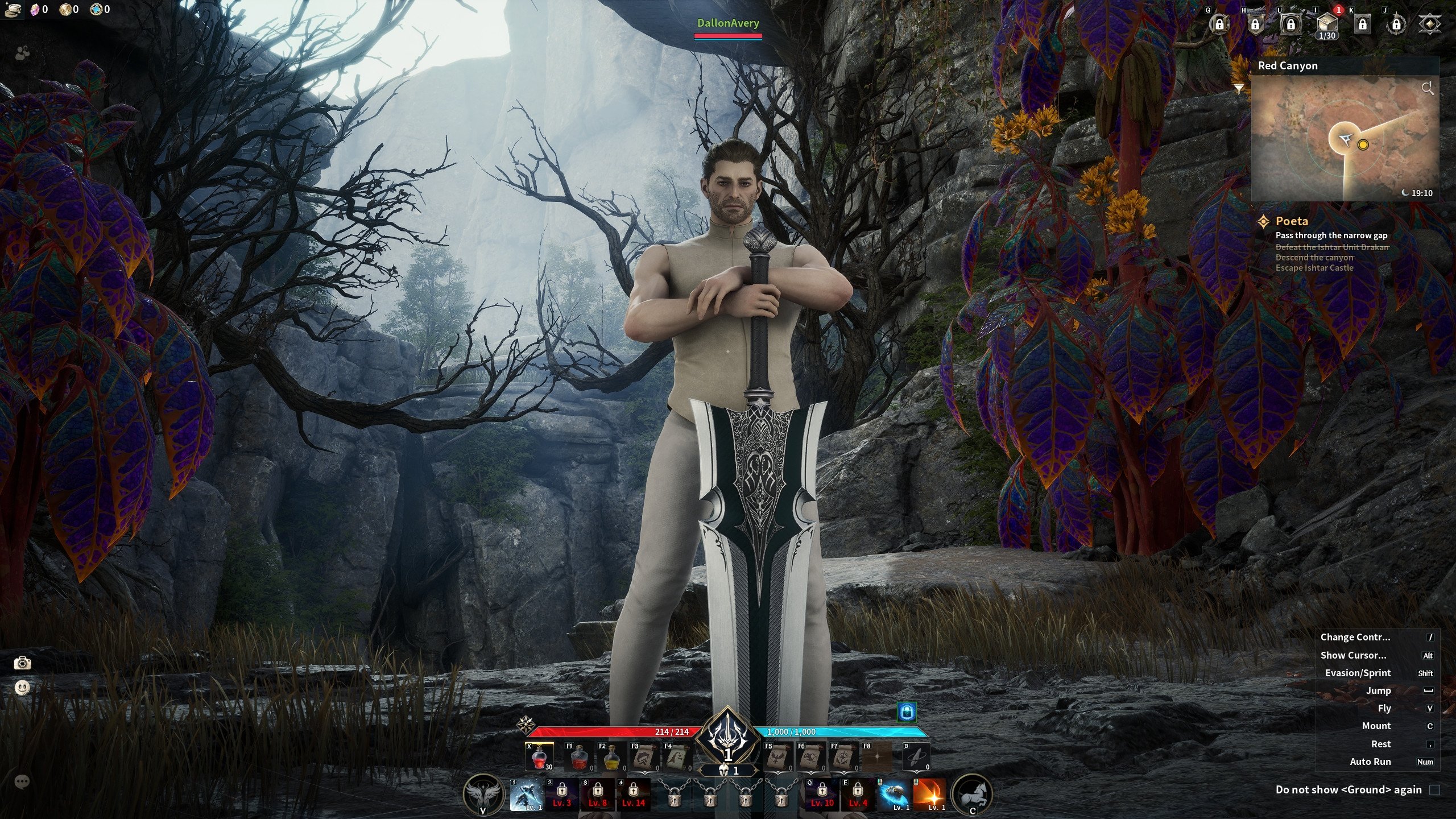
My personal pick since the first game, wields a huge two-handed sword like Cloud in FF7, which is the reason I picked it. |
|
Templar |
Main Tank |
The traditional main tank. Templar uses a sword and shield, holds aggro, protects teammates, and can pull enemies together. Has high HP, which is why this class is so valued in group content. |
|
Assassin |
Melee DPS |
A burst-focused melee class built around short damage windows. Assassin relies on mobility, stealth, positioning, and good timing to deal huge damage before its buffs expire. |
|
Ranger |
Ranged DPS |
A ranged Damage-Dealer. Nuff said. Ranger has excellent mobility, works well in almost every type of content, and is relatively easy to understand. |
|
Sorcerer |
Ranged Magic DPS |
A traditional glass cannon mage. Sorcerer chains fire and frost abilities together for high sustained and burst damage, but sacrifices survivability for that offensive power. |
|
Elementalist |
Ranged Magic DPS |
A summoner that combines its own attacks with elemental spirits. Different spirits provide damage, healing, taunts, and other effects, making the class strong at sustained damage and battlefield control. |
|
Cleric |
Main Healer |
A dedicated healer with direct heals, healing over time, cleanses, defensive abilities, and resurrection. Cleric can also contribute damage whenever the group does not need healing. |
|
Chanter |
Support / Healer |
A support class built around powerful Mantras, healing, shielding, and party buffs. Chanter offers less pure healing than Cleric but provides more utility and respectable personal damage. |
Picking a class is a tough choice, and serious players tend to pick based on the current meta. While we will make the class tier list that reflects the current meta, I’m still very much all about picking based on feeling rather than the meta. Even if you don’t connect with any of the classes and their visuals on a personal level (not passed the vibe check), just think of which class you’ll be okay spending hundreds and thousands of hours with.
AION 2 Leveling Basics
Leveling in AION 2 mainly revolves around the Main Story, with additional activities opening up as the character progresses. Main Story quests are marked in yellow and provide most of the experience needed to reach the level cap. For the Global launch version, the maximum level is 45.
Alongside the Main Story, players will encounter Regional Quests, Sealed Dungeons, Strongholds, and other exploration content across the map. These activities provide much less XP than the Main Story, but they do reward gear, materials, Daevanion progression, and other permanent character upgrades. Much of this side content also scales with the character's level, so it remains relevant throughout the leveling process. Some players who have leveled up multiple characters on Korean servers claim that sometimes doing the side quests is even more important than the main story. So, here, I would just say - don’t skip those.
The Main Story occasionally reaches points where further progress becomes difficult or temporarily slows down. This is where Regional Quests and other activities fit naturally into the leveling loop. Sealed Dungeons and Strongholds appear around the world as question-mark locations, while Feathers can also be discovered during normal exploration. All of these systems gradually contribute to the character's overall power rather than simply filling the XP bar.
Reaching Level 45 marks the transition into AION 2's endgame, but character level is only one part of progression. Gear Score and Combat Power continue to determine access to harder activities, while systems such as Daevanion, Stigmas, equipment, and exploration become increasingly important after the leveling phase.
Don’t worry, I’ll explain each progression system and activity in this game in one of the next sections.
AION 2 Gearing Basics
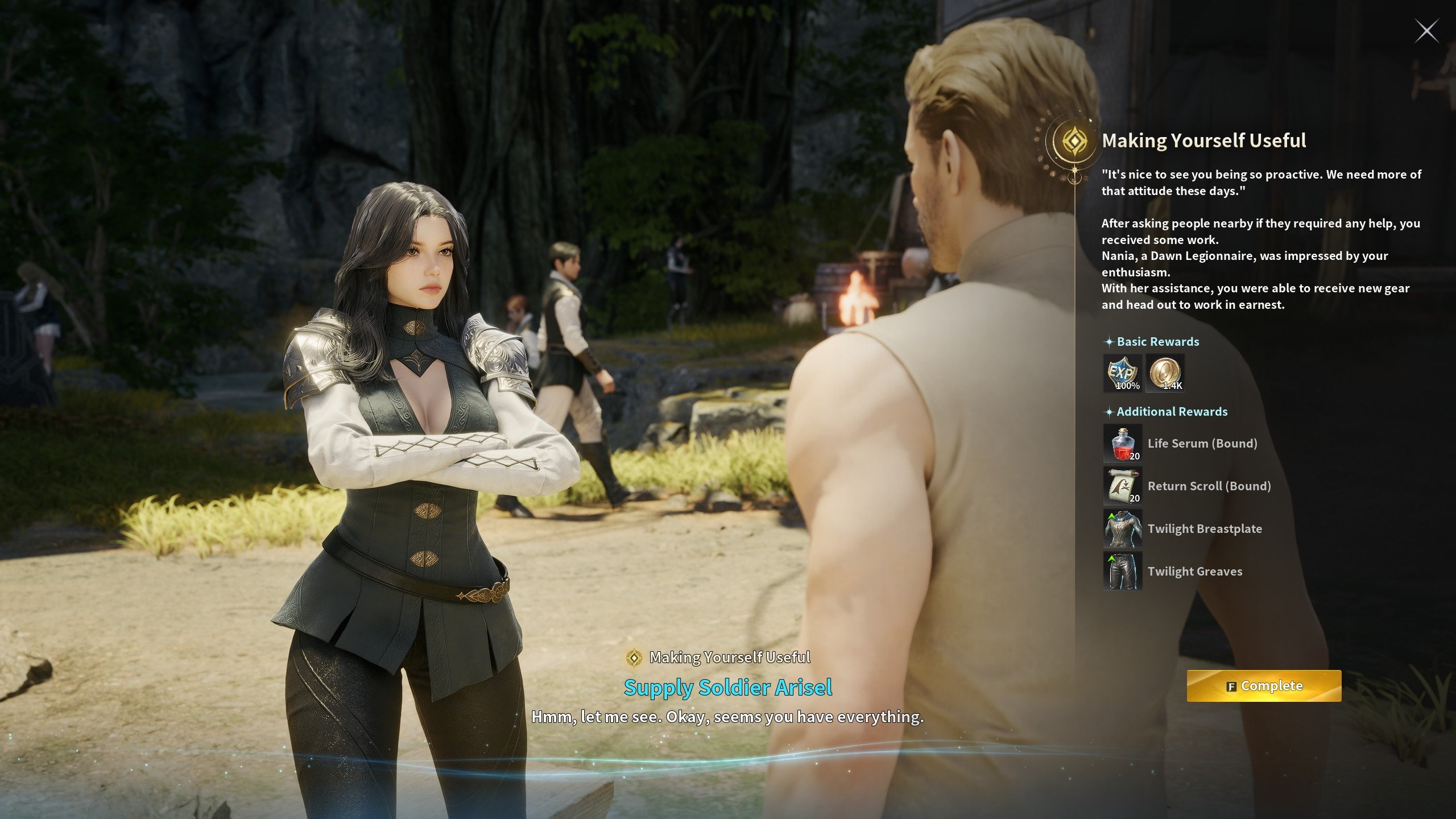
Getting a new piece of equipment is only the first step of gearing in AION 2. Weapons, armor, accessories, and other gear can be improved through several systems that raise their stats or add new effects.
The most basic one is Enhancement. Equipment starts at a base level and can be upgraded with Enhancement Stones and Kina. On the current Korean/Taiwan version, enhancements from +0 to +10 have a 100% success rate. After that, the rates start dropping: +10 to +11 has a 66% chance, +11 to +12 has 50%, +12 to +13 has 35%, and +14 to +15 has only 20%. Exact Enhancement Stone and Kina costs depend on the item's slot and rarity.
Veteran players claim that wasting resources on upgrading gear while leveling is a bad idea. So, my advice is to keep those upgrade resources until you reach level 45, when you have a good understanding of what gear you need and what to do with it.
Gear can then be customized further through additional systems:
- Manastones add extra stats to equipment.
- Godstones are socketed into weapons and guards to provide additional combat effects.
- Soul Binding lets players reroll an item's additional stats and lock in the ones they want.
- Other equipment systems add further progression depending on the item type and content it comes from.
Replacing equipment does not always mean starting over. AION 2 has a gear transfer, or Inheritance system that allows much of the progression from an older item to be transferred to a new one, kind of similar to how it works in Throne and Liberty.
During leveling, you’ll be going over tons of gear, so even with the upgrade transfer system, it's still not the best idea to invest in it.
Enhanced equipment can also be extracted to recover the Enhancement Stones previously spent on it, although Kina, Manastones, and Theo Stones are not refunded.
This means gearing is less about simply finding an item with a higher number and more about acquiring equipment, upgrading it, improving its stats, and eventually carrying that progression into better gear.
For a complete explanation of enhancement, stat rolls, sockets, transfer, and gear progression, see the dedicated AION 2 Gearing Guide.
Core AION 2 Progression Systems
Level and gear are only part of character progression in AION 2. Skills, Stigmas, Daevanion, Monoliths, and pets all add power through separate systems. Some appear while leveling, while others become more important around the endgame.
Skills and Stigmas
Each class has a set of active and passive skills that make up its basic combat kit. On the Korean/Taiwan version, most classes have around 11 basic active skills, with conditional skills sharing the same action keys. For example, Sorcerer can use Firestorm as one of its main damage skills, while Blaze can restore HP based on the damage dealt.
Regular skill points can raise these abilities to Level 10. Additional skill levels can then come from systems such as Daevanion and gear. Skills also gain additional effects at certain levels. In the KR/TW version referenced in the leveling guide, these thresholds are Levels 8, 12, and 16.
Stigmas are a separate pool of abilities used to customize a class further. Examples from NC's official updates include Fracturing Rush for Gladiator, Battlefield Banner for Templar, Shadowstep for Assassin, Supporting Fire for Ranger, Hibernation for Sorcerer, Command: Proxy for Elementalist, Reincarnating Touch for Cleric, and Barrier Spell for Chanter.
The system has already expanded considerably in Korea and Taiwan. The March 2026 update increased the number of equipped Stigmas to five, while Chapter 1 later increased it to six and raised the maximum Stigma skill level to 25. Global launch limits may differ from the current KR/TW version.
Daevanion
Daevanion Boards provide permanent character progression through interconnected stat and skill nodes. The basic boards include Nezekan, Zikel, Vaizel, and Triniel, followed by later boards such as Ariel, Azphel, Marchutan, and Yustiel.
There are four basic node types:
- White nodes cost 1 point and provide character stats.
- Green nodes cost 2 points and increase passive skill levels.
- Blue nodes cost 3 points and increase active skill levels.
- Orange nodes cost 4 points and provide unique board bonuses.
So Daevanion is not just another passive stat tree. A blue node can directly add a level to an ability the class already uses, while other nodes can provide Attack, Critical, HP, Defense, Combat Speed, or Cooldown Reduction.
As a concrete KR/TW example, the Gladiator's Nezekan board includes nodes such as +2.5% Combat Speed, +2.5% Cooldown Reduction, and +50 Attack, alongside skill upgrades for abilities such as Overhead Slam and Rush Strike. Current client-derived data places the first four board unlocks at Levels 12, 20, 30, and 40 respectively.
Daevanion progression comes from activities players are already introduced to while leveling, particularly Regional Quests, Sealed Dungeons, and other regional content.
Browse our hottest Aion 2 Boosting services




Feathers and Monoliths
Exploration also contributes directly to character progression. Feathers found throughout Atreia can be delivered to Monoliths, which reward stats and resources used for further character growth.
The scale of the system is easier to understand with the KR/TW numbers. The original Verteron and Altgard Monoliths have 30 levels and require 560 Feathers to complete. Among their rewards are Wisdom Stones, with each Wisdom Stone granting 1 Skill Point.
There are additional Monoliths in later regions and the Abyss, with their own progression tracks and rewards. This is why Feathers should not be treated like ordinary collectibles added simply for map completion.
Pets and Mounts
AION 2 connects its pet and mount systems. Many creatures encountered around the world can eventually be collected as pets, and those pets can also serve as mounts.
The system is another source of character progression rather than just cosmetics. Current KR/TW client data contains around 300 pets and mounts, with creatures divided into several genera.
The main long-term system is Genus Insight. In the current KR/TW client, it progresses to Level 10 and unlocks nine effect slots. Those slots can provide additional combat stats, with higher Genus levels also improving the quality of effects that can roll. At Level 10, current client data lists roll chances of 20% Common, 30% Rare, 30% Epic, 15% Unique, and 5% Heroic.
NC has also made Genus Insight server-wide, so its progression is shared rather than something that needs to be rebuilt independently on every character.
Arcana
Arcana is a later-game progression system tied mainly to Transcendence dungeons. Players obtain Arcana cards and crafting materials from this content, then equip or transmute cards to increase skill levels, gain stats, and activate additional set effects.
The Korean/Taiwan version has already expanded the system several times. For example, the Scales Arcana part was added with the Frenzy and Pure Blood sets. Frenzy gives +5% Boss Damage Amplification, while Pure Blood gives +5% Critical Damage Boost. Later sets such as Punishing Overture, Protected Soul, and Indomitable Dedication added effects including +5% Boss Damage Tolerance, +5% Restoration, and +5% Weapon Damage Tolerance.
Wings
Wings are not just used for flying or changing a character's appearance. They are also part of character progression and can provide additional stats.
NC added a dedicated Wings Enhance System to the Korean/Taiwan version in May 2026. This allows players to enhance Wings separately from normal weapons and armor to gain additional stats. The same update also raised the caps for the six main character stats to 250 and increased the maximum values of Attack Boost and Defense Boost to 130%, showing how Wings fit into the game's broader endgame stat progression.
Substance Morphing
Substance Morphing works alongside regular crafting, but the two systems have different purposes. Instead of leveling a profession and crafting through its recipes, Substance Morphing lets players convert specific materials and items into other progression resources.
Depending on the recipe, it can be used to create or convert items such as:
- Wings and gear
- Stigma Shards
- Enhancement materials
- Dungeon-related progression materials
- Other resources used by character-growth systems
It also connects directly to some later gearing systems. For example, materials used for Potential Enhancement can be obtained by morphing equipment from the same dungeon difficulty, with separate materials for weapons, armor, and accessories.
This makes Substance Morphing less of a traditional profession and more of a resource-conversion system that connects dungeon drops, gear, and several other progression systems.
AION 2 PvE, PvP, and Other Activities
Once the Main Story opens up the rest of the game, AION 2 branches into solo dungeons, 5-player group content, 10-player raid-style PvE, open-world activities, PvP, and life skills. NC says the game contains more than 200 dungeons across its different formats.
The main PvE activities are:
|
Activity |
Type |
What It Is |
|
Sealed Dungeons |
Solo |
Small dungeons found throughout faction territories. They provide gear and materials and contribute to systems such as Daevanion progression. |
|
Strongholds |
Solo |
Short combat challenges found around the world alongside Sealed Dungeons. Both become part of long-term regional progression. |
|
Nightmare |
Solo |
Boss-focused challenge content with multiple difficulty levels. |
|
Ascension Trial |
Solo |
A separate solo combat challenge with increasing difficulties and progression rewards. |
|
Daily Dungeon |
Solo / Repeatable |
Short repeatable content designed for quick daily rewards such as Kina and materials. |
|
Expedition |
5-player |
The main party dungeon format. Expeditions provide equipment, Kina, crafting materials, and other progression rewards. |
|
Transcendence |
5-player |
Later group content closely connected to Arcana progression. Arcana cards and their crafting materials come from Transcendence dungeons. |
|
Sanctuary |
10-player |
AION 2's raid-style high-end PvE. Sanctuary is designed for larger groups and sits near the top of the PvE progression ladder. |
|
Shugo Festival |
Casual / Mini-games |
A collection of lighter activities such as races, survival games, and other mini-games with their own rewards. |
NC originally presented these as the game's core solo, party, and casual content categories, while the current Korean/Taiwan version uses five players for Expedition and Transcendence and 10 players for Sanctuary.
The open world also contains field bosses, regional activities, collectibles, and events, so progression does not happen exclusively inside instances. Some activities also feed directly into systems covered earlier, such as Daevanion, pets, Monoliths, and gear.
PvP and Rifting
AION 2's main PvP activities are Abyss, Arena, Battlefield, and Spacetime Rift.
The Abyss is the game's main open-world faction PvP area. Elyos and Asmodians compete over bosses, Artifacts, territory-related objectives, and Abyss Points, which are used for PvP progression. Artifact Siege is also part of the broader Abyss conflict.
Arena and Battlefield provide instanced PvP, while Spacetime Rifts connect the normally separate Elyos and Asmodian territories. Rifting is useful even for players who are not interested in PvP because the opposite faction's map contains additional Sealed Dungeons, Strongholds, and quests needed for progression.
Unlike the original AION, entering enemy territory does not automatically mean fighting other players. The current system uses War Mode, allowing players to choose whether they want PvP enabled while rifting. On the KR/TW version, rifts currently appear on a three-hour cycle, and a visit to the enemy faction's territory lasts about one hour.


You got -20% OFF 
Life Skills and Crafting
AION 2 currently divides its life skills into Essence Extraction and Crafting.
Essence Extraction is the gathering system. Players collect resources such as ores, gems, plants, logs, and Odyle while exploring the world. Gathering itself can be leveled and improved, and the materials are then used for crafting and Substance Morphing.
Crafting is split into five professions:
- Blacksmithing creates several weapon types and guards.
- Armorsmithing produces armor pieces.
- Handicrafting covers weapons such as bows and staves alongside accessories.
- Alchemy produces potions, scrolls, Manastones, materials, and certain magic weapons.
- Cooking produces food and related consumables.
Crafting matters because it is connected directly to equipment progression rather than existing purely as side content. The current live version includes high-end PvE equipment obtained through crafting, while consumables and materials can also be sold to other players.
Marketplace and Economy
The Marketplace and player Trade system connect these activities to AION 2's economy. Players can sell tradable gear, crafting materials, consumables, and other items for Kina. NC specifically designed player trading around in-game currency rather than premium currency.
This means most activities feed into each other: dungeons provide gear and materials, gathering feeds crafting, crafting produces equipment and consumables, PvP has its own progression loop, and the Marketplace lets players turn valuable drops or crafted items into Kina.
AION 2 Tips and Tricks for Beginners
AION 2 is a pretty complex game from the get-go. It features a bunch of systems, some of which might be unfamiliar to players accustomed to Western MMORPG. In this list I put the 10 tips that will help you better prepare for the game’s start.
- Choose the same server as your friends. Your Marketplace and PvP pool are tied to the server. Coordinate before launch so nobody has to restart elsewhere.
- Think twice before buying a Founder’s Pack. The main value comes from early access, membership, and cosmetics. If membership was already planned, the cheaper pack usually makes more sense. Otherwise, there is nothing essential inside.
- Fix important settings immediately. Turn on auto-extraction only for gear considered disposable. Lock every valuable item to prevent accidental extraction. Bind a key for targeting hostile players too. For large battles, lower mass-combat quality and enable identical player appearances.
- Avoid the Marketplace on Day 1. Early supply is tiny, so basic items can cost ridiculous amounts. Prices usually settle after several days of farming. When buying stacks later, always compare the price per item.
- Kill mobs while moving between objectives. Repeated monster kills provide fragments used for pet progression. Many monsters can eventually become both pets and mounts. These systems also provide permanent progression, so early kills are never completely wasted.
- Do not overinvest in early gear. Leveling equipment gets replaced quickly. Avoid spending large amounts of Kina and upgrade materials on temporary pieces. When better gear drops, progression can later be transferred through Inheritance. Before using Substance Morphing on accessories, unequip the Belt and Amulet from every preset.
- Save your Kina. It becomes one of AION 2’s main progression bottlenecks. Enhancement, crafting, stat rerolls, and Marketplace purchases all consume it. Saving during leveling leaves much more flexibility at Level 45.
- Complete Regional Quests while leveling. These quests are not simple filler. They provide resources and permanent progression, including Daevanion-related rewards. Much of this content also scales with character level.
- Level Essence Extraction early. Gathering becomes important for crafting and Substance Morphing. Raising it naturally while questing saves grinding later. Rare materials can also require higher gathering levels before they become collectible.
- Skip Battle Passes at launch. Their early rewards can lose value quickly. It is better to wait until the main character is settled. Membership generally affects more important systems than an early character-specific pass.
And don't forget to check out our AION 2 best settings guide. It'll help you balance out the quality and perfomance because the game is obviously beautiful, but you want to make sure it runs well and without hiccups.
F.A.Q.
Is AION 2 free to play?
Yes, AION 2 is free to play on PC starting from global launch, but it will feature a paid membership with additional bonuses.
Is AION 2 Pay-to-Win?
No, but you can get a real advantage for money and an early progression head start with the pre-order packs.
How many classes are in AION 2?
There are 8 classes available at global launch, with one more class, Brawler, that will likely be added some time after the launch.
What is the maximum level in AION 2?
For the global launch, the maximum level is 45, which will later be extended to 50. In the endgame, the real character power comes from other sources such as the gear score.
How to get free mounts in AION 2?
You can get mounts for free by farming monsters for their souls, progressing through the main story, and opening the Pet Boxes earned in various events.