 Crispy Jackie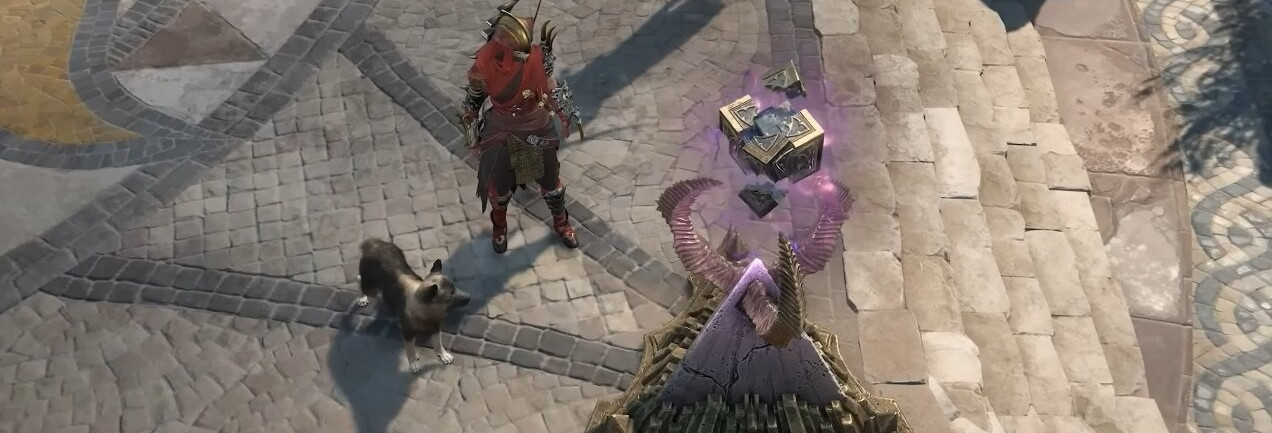
Horadric Cube Guide for Diablo 4 Quick Summary:
- The Horadric Cube unlocks after the Lord of Hatred campaign and lets you modify gear, reroll affixes, recycle Uniques, craft charms, and create Legendary Runes.
- Tuning Prisms are key because they reduce Cube RNG and help push affix results toward offensive, defensive, or other chosen stat types.
- Use early Cube recipes to fix bad rolls, add missing affixes, recycle duplicate Uniques, and turn useful Rare items into Legendaries.
Skip the boring grind and get into action with Diablo 4 Powerleveling at Skycoach. It’s your chance to explore the endgame rather than farming it all the way to level 70. We offer the best market price and the fastest results.


Read closely 
Browse our hottest Diablo 4 Boosting services







What Is the Horadric Cube in Diablo 4?
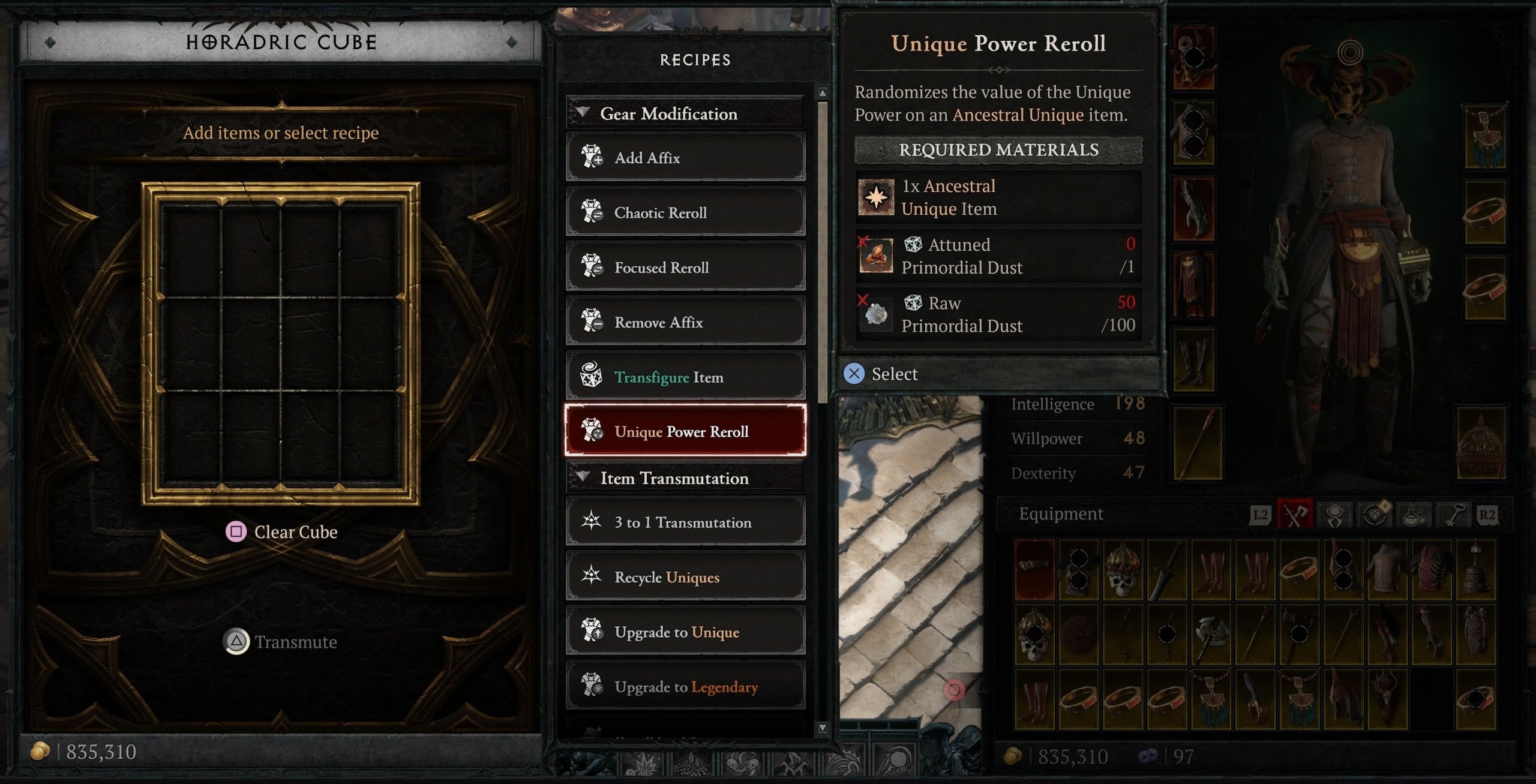
The Horadric Cube in Diablo 4 is basically a big crafting and item-modifying system. It has returned with the Lord of Hatred expansion. Previously, you could see it back in Diablo 3 (it was named Kanai's Cube back then) and Diablo 2. But don’t look at this feature like a simple vendor where you click “Upgrade” and move on.
I would say that Horadric Cube is more like a toolbox for changing gear, fixing unlucky rolls, and chasing specific powers. And maybe even creating items you couldn’t reliably target before this season.
To put the way Horadric Cube works in a simple way: You place an item into the Cube, add the needed materials, choose a recipe, and the Cube changes the item in some way. Sometimes it adds a new affix. Sometimes it rerolls a Unique power value. Sometimes it turns extra items into a fresh version, which can help if you’re drowning in duplicate Uniques.
I’ve created this short table with all the Horadric Cube features briefly described:
|
Cube Feature |
What It Does |
|
Item Modification |
Adds or changes affixes on gear |
|
Unique Rerolls |
Lets you reroll the value of a Unique power |
|
Unique Recycling |
Turns duplicate Uniques into another version of the same item |
|
Charm Crafting |
Helps target farm Set Charms and Unique Charms |
|
Rune Crafting |
Allows you craft specific Legendary Runes |
|
Transfiguration |
Grants powerful bonus effects, with some risk attached |
Just like most D4 systems connected with crafting or upgrades, the Cube still has randomness. But it’s not completely blind RNG. It can be practically leveled to zero if you use the right supporting materials. Tuning Prisms can narrow down what kind of affix you’re trying to add or reroll.
How to Unlock the Horadric Cube
Completing the Lord of Hatred campaign is the only requirement to unlock the Horadric Cube. Once the story is done, you’ll go through a short intro quest that opens the system and shows you the basics. You won’t have to farm any secret drops or hunt down a rare mob. No RNG is involved in any way. Here’s a step-by-step instruction on unlocking the Horadric Cube in D4:
- Complete the Lord of Hatred campaign
- Pick up and finish the Horadric Cube intro quest (it won’t take long)
- Open the Cube system and start using recipes
- Bring the right materials before trying bigger crafts
To find the Cube, visit Temis in Skovos and head to the center of the main hub’s craftman’s area. You can unlock the Cube only for one character to make it available for all other characters on your account, though.
You won’t need the Cube too early, and it doesn’t affect your leveling to 70 anyway. The moment you’ll need it is when your character cares about Unique powers, chars, runes, and endgame upgrades. So, technically speaking, it’s tied to the endgame progression completely.
Horadric Cube Materials and Tuning Prisms Explained
I’ve already told you about how important it is to use the “right” materials. The entire Cube system runs on this. That’s the boring part, but it’s also the part that decides what you’ll get in the long run. The two big materials to understand are Primordial Dust and Tuning Prisms. Primordial Dust is the basic fuel for a lot of Cube recipes. You’ll spend it when adding affixes, rerolling items, upgrading gear, crafting charms, and doing other Cube tricks.
Tuning Prisms are not required for every recipe, but they’re useful because they reduce randomness. And that’s the whole point of how the Horadric Cube works. You can add or reroll effects, but without Tuning Prism, the result can be total RNG. With it, you can get a specific affix type you want.
The best example is an affix recipe. Let’s say the Cube can add a random effect to an item. Without a prism, that effect can come from a wide pool. But if you use an Offensive Tuning Prism, you’re pushing the result toward offensive affixes. If you use a Defensive Tuning Prism, you’re aiming for defensive outcomes instead.
Best Horadric Cube Recipes to Use First
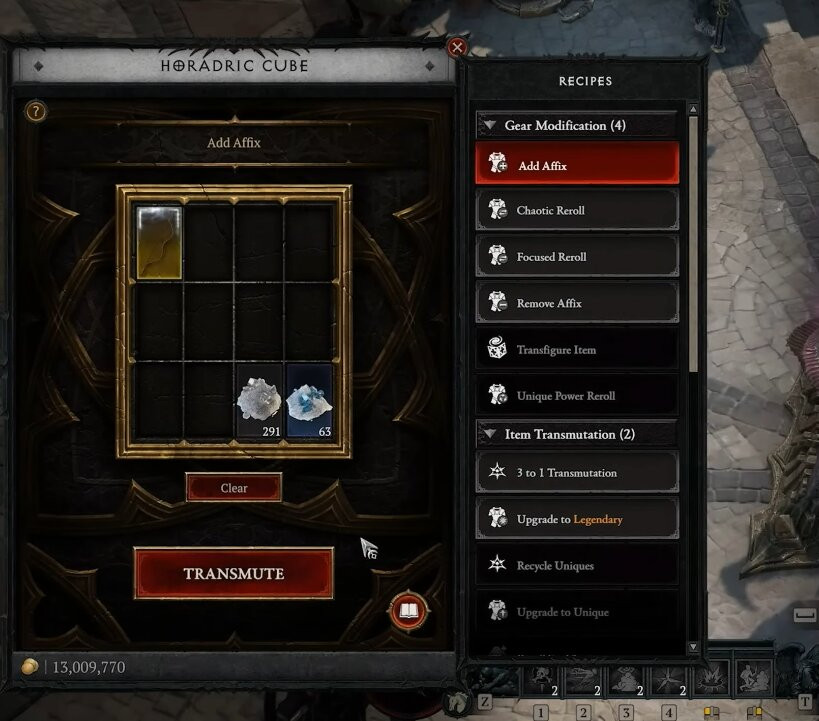
The Horadric Cube offers a ton of recipes, but you don’t want to just start clicking on them randomly. I’d focus on recipes that either fix bad gear, recycle duplicates, or help you move toward important build pieces. Here, I’ve gathered the best Horadric Cube recipes you wanna look at in Diablo 4:
|
Recipe |
Materials |
What It Does |
When to Use It |
|
Add Affix |
1x Common, Magic, Rare, or Legendary Item 1x Coarse Primordial Dust 5x Raw Primordial Dust |
Adds a random affix to an item if it has room |
Great when you have a decent item that still has space for another stat |
|
Remove Affix |
1x Magic or Rare Item, 1x Refined Primordial Dust, 15x Raw Primordial Dust, optional Tuning Prism |
Removes a random affix from Rare or Magic item. A Prism narrows which affix category can be removed |
Use it when a crafted item picked up one bad stat and you want to clean it before continuing |
|
Chaotic Reroll |
1x Magic, Rare, or Legendary Item 1x Refined Primordial Dust 15x Raw Primordial Dust |
Rerolls an affix into a different category |
Useful when an item is close to good, but one stat is completely wrong |
|
Focused Reroll |
1x Magic, Rare, or Legendary Item 1x Refined Primordial Dust 15x Raw Primordial Dust |
Rerolls a specific affix category into another stat |
Best after you already know what kind of stat you’re chasing |
|
Unique Power Reroll |
1x Ancestral Unique 1x Attuned Primordial Dust 100x Raw Primordial Dust |
Rerolls the value of a Unique power, not the power itself |
Perfect when your Unique has the right effect but rolled low |
|
Recycle Unique |
3x Same Unique Item |
Turns 3 copies of the same Unique into a new version |
Use this when duplicate Uniques are clogging your stash |
|
Upgrade to Unique |
1x Common Item 1x Enhanced Primordial Dust 10x Raw Primordial Dust |
Turns a Common item into a random Unique of the same type |
Nice for target farming if your character can’t farm bosses comfortably |
|
Upgrade to Legendary |
1x Rare Item 1x Pure Primordial Dust 10x Raw Primordial Dust Tuning Prism optional |
Turns a Rare item into a Legendary with a random Legendary power |
Strong early craft, especially with a Tuning Prism to guide the result |
|
Reroll Set Charm |
1x Set Charm 25x Raw Primordial Dust 50x Infused Horadric Resin |
Turns a Set Charm into another random charm from the same set |
Great when you keep getting duplicate charm pieces |
And I would be more careful with Transfiguration and the heavier endgame crafts. They come with a bigger risk and material cost. For example, Amalgamation requires you to use several of the same items to upgrade it. That can actually be a sort of gambling. But upgrading to Unique or Legendary is a safer option, at least it seems to me. And you’ll also hear about Horadric Cube secret recipes once in a while, but I haven’t discovered any so far. Maybe it’s just a rumor, idk.
Browse our hottest Diablo 4 Boosting services







How to Target Farm Unique Charms and Legendary Runes
This system solves a problem Diablo 4 players run into: “I know what I want, but the game refuses to drop it.” As of now, it’s the strongest endgame tool, especially if you focus on Unique Charm crafting and Legendary Rune crafting.
Let’s start with Unique Charms, because this is probably going to be one of the main reasons people live inside the Cube. The idea is simple: you take one Ancestral Unique item, add any three Unique Charms, and the Cube turns that into a Unique Charm with the same Unique affix as the original item.
You want the Unique effect from Godslayer Crown, but you don’t actually want to wear the helmet. With the Cube, you chase an Ancestral Godslayer Crown, throw it into the recipe, and turn that power into a Unique Charm instead. Now you can equip the effect through your Talisman, while your actual gear slot stays open for something else.
I would say a typical Unique Charm loop looks like this:
- Farm or obtain the Ancestral Unique with the power you want
- Collect three Unique Charms you’re willing to spend
- Put them into the Horadric Cube
- Craft a Unique Charm carrying the original item’s Unique affix
- Equip it through your Talisman instead of forcing that Unique into your gear slot
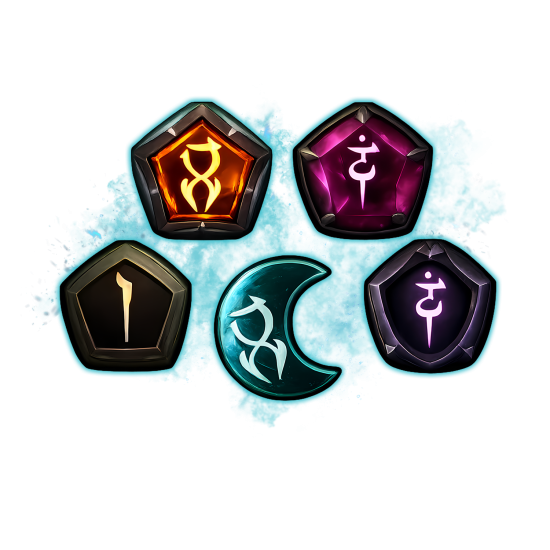
As for Legendary Runes, it’s less annoying to target farm them since the Lord of Hatred release. You need one specific Uncommon Rune, five Rare Runes, and Five Legendary runes of the required type. Put them in, and the Cube gives you the Legendary Rune you were aiming for. The example from the system is Ohm. If you want an Ohm Rune, you need the Qua Rune, five Rare Runes, and five Legendary Ritual Runes. Then the Cube spits out Ohm for sure.
Transfiguration Explained
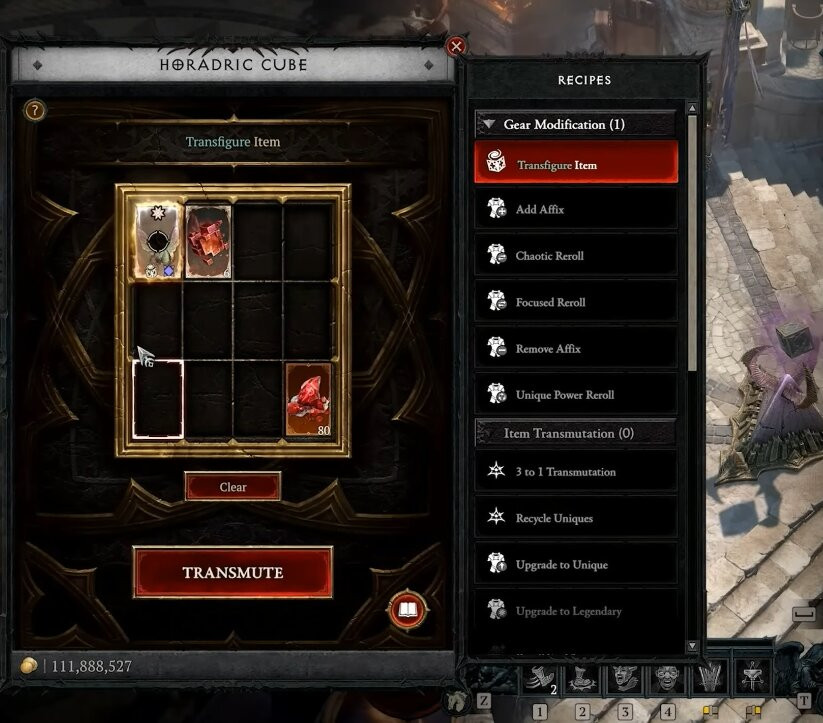
Transfiguration is the most dangerous part of the system. It can add extra power to an item, but it also comes with a real chance to lock that item from further changes. The most important thing to know is that amulets work differently from every other gear slot. If you transfigure an amulet, it gets one extra Legendary affix. And yeah, that’s huge, because Legendary affixes are already stronger on amulets. If you have a really good amulet, this can turn it into one of the strongest gear pieces in your entire class build.
- Legendary amulets can end up with two Legendary affixes after Transfiguration
- Unique and Mythic amulets can still receive one Legendary affix
- Only amulets get this special “extra Legendary affix” treatment
- Other gear slots get a random bonus instead
For non-amulet gear, Transfiguration works more like that old Sanctification-style gamble. You use it, and the item receives a random beneficial bonus. That bonus can be amazing, but you don’t fully control it, so this is not something I’d throw on random gear you’re replacing tomorrow.
My advice here is that you want to transfigure only after you’ve got a finished piece of gear. Do it when the item is already strong enough that you’d be happy keeping it. In case it’s locked, you can keep it like this, and you’re okay with the RNG.

You got -20% OFF 
How to Farm Horadric Cube Materials
The game offers quite a variety of ways you can use to farm materials for your Horadric Cube. You’ll need them for all your recipes, and sometimes, in large amounts. First, decide what you’re trying to craft, then farm the materials tied to that recipe. Farming materials randomly might work out, but you might also end up with an inventory full of useless stuff. I’ve gathered the best sources for Horadric Cube materials in this table:
|
Material Type |
Best Sources |
|
Primordial Dust |
War Plans, Tree of Whispers cache rewards, Elite Monsters |
|
Tuning Prisms |
War Plans, Tree of Whispers cache rewards, Elite Monsters |
|
Infused Horadric Resin |
Salvaging Talisman Charms and Seals |
|
Transfiguration Prisms |
War Plans, Tree of Whispers cache rewards, Elite Monsters |
Farming through Undercity is also a must-visit source for Cube materials. It might be even more efficient than just farming Elite Monsters. You get a variety of dust types to hunt for there. Don’t miss on it.
I personally focus more on Primordial Dust because it’s needed for most Cube recipes. It’s required for adding affixes, rerolling gear, upgrading items, or crafting charms. It burns much faster than you can farm it, trust me. Tuning Prisms are the second priority. Luckily, they drop from the same sources, and you can get them simultaneously most of the time.
Read our other Diablo 4 guides:
F.A.Q.
How do you unlock the Horadric Cube in Diablo 4?
You unlock the Horadric Cube after completing the Lord of Hatred campaign and finishing its short intro quest. After that, you can start using Cube recipes for gear, charms, runes, and transfiguration.
What does the Horadric Cube do in Diablo 4?
The Horadric Cube lets you modify items, add or reroll affixes, recycle Uniques, upgrade items, craft Unique Charms, create Legendary Runes, and use transfiguration for extra item power.
What are Tuning Prisms used for in Diablo 4?
Tuning Prisms reduce Cube recipe randomness by narrowing possible affix outcomes. For example, an Offensive Prism pushes the result toward offensive stats instead of pulling from a much wider pool.
How does Transfiguration work in Diablo 4?
Transfiguration adds powerful bonus effects to gear. Amulets get an extra Legendary affix, and other gear slots receive a random bonus and usually become unmodifiable afterward.