 Dallon Avery
WoW Talebound Guide Quick Overview:
- Talebound is a standalone PvE roguelite mode made for solo or coop playthroughs.
- There are 3 unique classes in Talebound: Slayer, Inquisitor, and Witch
- There are 4 missions called stories to play through with unique monsters and challenges
- Talebound features a persistent progression for your chosen character.
- Rewards include mounts, transmogs, housing decorations, and achievement titles for WoW retail.


Read closely 
Browse our hottest WoW Boosting services




What Is Talebound in WoW?
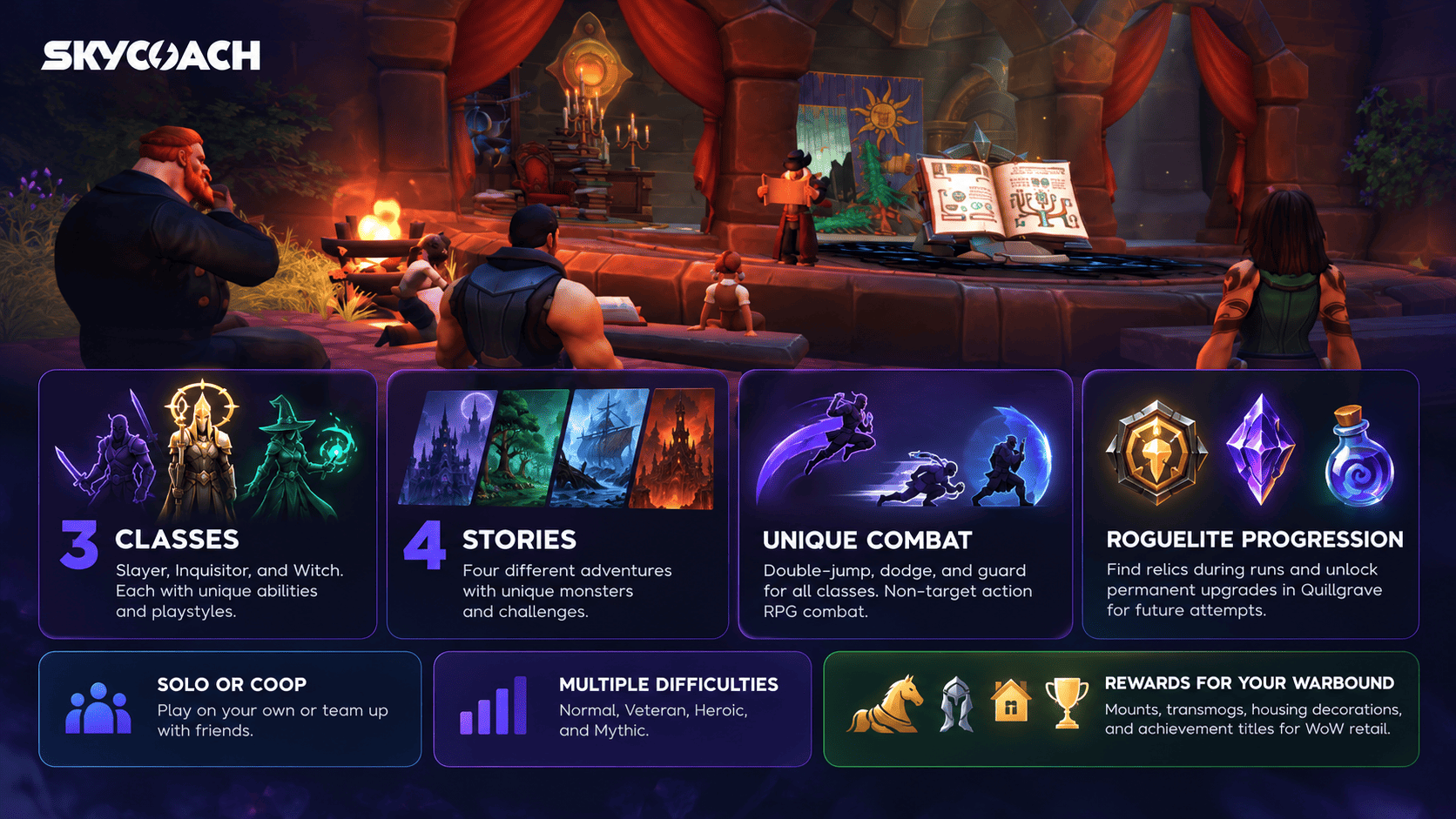
Talebound is basically Blizzard's attempt at bringing action RPG combat into World of Warcraft. Think of something closer to Diablo than your usual Mythic+ dungeon, but with a bit of roguelite progression mixed in. There are 4 “stories” to play with some random elements, so the encounters in each run don’t feel the same. Also, you can upgrade your class for future runs. We’ve seen similar things in Torghast with its randomized runs, Plunderstorm with its standalone character system, and Horrific Visions where you could progress further and further the stronger you got.
One thing I find particularly interesting is the gameplay. You do create a character, but it’s going to be one of 3 classes with its own set of abilities and a few shared ones like the double-jump, dodge, and guard. So there are no more specs, talent trees, none of that. And thank God for that! The last thing we needed is another pile of passives to sort through for a throwaway, makeshift character.
The mode also has its own character progression, separate from your regular WoW character. So, there’s no mythic gear and none of that other crap from retail. That’s all to say that Talebound is its own thing.
Here's a quick overview of the main features:
|
Feature |
How it works |
|
Game mode |
Action RPG with roguelite elements |
|
Classes |
Slayer, Inquisitor, Witch (maybe more in the future) |
|
Group play |
Solo or with friends |
|
Combat |
Non-target! It’s more like in Guild Wars 2, in my opinion |
|
Stories |
Four different adventures planned at launch, with possibly more in the future |
|
Difficulty |
Normal, Veteran, Heroic, with Mythic |
|
Progression |
Character upgrades, talents, consumables, and passive bonuses |
|
Main hub |
Quillgrave |
|
Rewards |
Mounts, transmogs, housing decorations, and titles |
So, basically you’re getting something of a new game with its own combat system and classes inside WoW.
How to Play Talebound in WoW
For Talebound, you make a separate character. You choose between the Slayer, Inquisitor, and Witch, then enter the Storyteller's world. The introduction takes place in Red Hollow, where a mysterious storyteller pulls your character into one of his dark tales. From there, Quillgrave becomes your central hub between runs.
Talebound is planned for Patch 12.1.7, but Blizzard is holding its first public playable PTR demo from October 30 through November 1, 2026. With this many “innovations” to the default gameplay of WoW, they understandably have to test the waters first. By the way, you won’t need an active subscription to take part in that test.
The PTR demo includes:
- The Red Hollow introduction, where your Talebound adventure begins.
- Three playable classes with their own combat abilities.
- Three stories: Darkhaven, Greenthistle Wood, and Greywake's Expedition.
- Normal, Veteran, and Heroic difficulties.
The fourth story isn’t going to be in the demo version.
How Talebound Gameplay Works
As I’ve said, all three Talebound classes share a few important combat mechanics.
- Double-Jump will allow you to reach higher places and overcome possible jumping puzzles
- Dodge to avoid incoming attacks
- Guard - deflect incoming damage
For now, it’s not very clear whether or not Guard will consume all incoming damage or a portion of it, just as it is not yet known whether or not Double-Jump and Dodge will somehow be limited or have a cooldown.
Attacks will lock you in place, so positioning is still pretty important. The default combos have a stun, so there’s a nice tradeoff.
Relics and Replayability
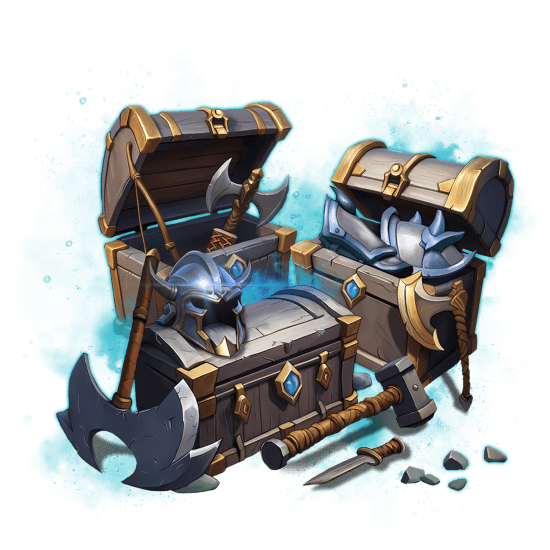
Much like in Delves, Talebound has treasure and relics that you discover while progressing through its stories. These are part of the mode's roguelite element, where repeated attempts offer opportunities to approach encounters differently.
What's particularly important is the distinction between things you find during an adventure and the improvements you unlock back in Quillgrave. Blizzard has already explained the town's upgrade systems, but the precise relic pool and the strongest combinations haven't been established yet.
For now, I'd recommend treating your first runs as an opportunity to understand the enemies, your class, and the different abilities before worrying too much about finding an optimized build.
Talebound Classes
There are three classes in Talebound, and while they’re unique, they still reference your typical classes. The Slayer uses melee weapons and firearms like a rogue, the Inquisitor burns enemies with holy magic, and the Witch summons all kinds of creatures and magical effects. Each has its own abilities and upgrades that can change how those abilities function.
Based on the early class preview, I'd say your choice should come down to the type of combat you enjoy. We don't have enough gameplay information to rank the classes by damage or survivability, but we can already get a decent idea of their intended playstyles.
|
Class |
Playstyle |
Main strengths |
|
Slayer |
A rogue-type class with some ranged attacks |
Mobility, burst damage, stagger, quick repositioning |
|
Inquisitor |
Warlock/Paladin mix |
Damage over time, AoE, slows, defensive effects |
|
Witch |
Spellcaster and summoner |
Summons, crowd control, overlapping spell effects |
Slayer
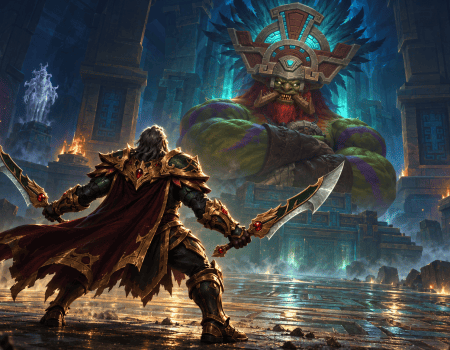
Slayer has two blades and a pistol, or rather a blunderbuss. When you see how this class plays, you’ll immediately know how different the combat system is; you’ll be actively dodging enemy attacks, the interface is kind of different, and the overall pace is much faster. I think this class will appeal to all who prefer the melee classes in the main game, just because you have that up-close and hands-on fighting style.
Some of the most interesting Slayer abilities include:
|
Ability |
What it does |
|
Three-hit melee combo with stronger damage and crowd control on the final hit |
|
|
Quick attack that can cancel another attack and reposition you |
|
|
Empowered shotgun blast that deals more damage when charged; close targets can take multiple hits |
|
|
Leap backward and scatter mines that damage and slow enemies |
|
|
Leap into the air and attack a high-health enemy while gaining temporary protection |
|
|
Dance Macabre |
Powerful combat state that increases movement speed, reduces incoming damage, and grants enhanced attacks |
One particularly interesting interaction comes from Silver Bolt. The early talent descriptions include a counterattack mechanic that rewards you for using the ability just before an enemy strikes. Another upgrade, Execution Strikes, marks your target and repeats a portion of the damage it takes during the effect.
Inquisitor
Inquisitor is Talebound's holy spellcaster, although it doesn't look like the kind of caster that can simply stand in the distance and spam abilities. A lot of its damage comes from burning effects, powerful charged attacks, and enemies exploding when they die. Positioning still matters a lot, especially because several abilities prevent movement during their animations.
Its main attack, Purify, uses a three-hit sequence, much like Slayer's Slash. Radiant Burst, on the other hand, can be cast while moving, which should make it useful when you need to keep damaging enemies without getting stuck in place.
Here's a look at the class's main abilities:
|
Ability |
What it does |
|
Three-hit holy attack sequence |
|
|
Throws explosive fire at enemies and can be used while moving |
|
|
Summons a burning sun that damages enemies |
|
|
Applies flames that detonate after a short delay or when triggered early |
|
|
Damages and slows enemies in a cone while allowing movement |
|
|
Empowered attack that deals greater damage when charged |
|
|
Channels powerful damage into a nearby target before striking surrounding enemies |
The most interesting thing about Inquisitor is how its effects can work together. For example, Condemn can be upgraded with Hellfire, which applies stacking damage-over-time effects that spread between enemies. Another upgrade, Guilt, makes enemies explode when they die based on damage accumulated while the effect is active.
Witch
Witch is probably the strangest of the three classes, and I mean that in a good way. Instead of relying on one particular type of attack, you're summoning frogs, spiders, ravens, magical storms, and even other witches to fight your enemies. It's an unusual combination of spellcasting, summoning, and crowd control.
What makes the Witch interesting is how many abilities interact with one another. Some talents strengthen your summons, others apply debuffs to enemies, and certain effects reward you for hitting multiple targets at once.
Here are its main abilities:
|
Ability |
What it does |
|
Three-hit lightning attack sequence |
|
|
Thorns |
Launches thorns that strike between nearby enemies |
|
Channels a flock of damaging ravens while allowing movement |
|
|
Summons explosive plague frogs that attack enemies |
|
|
Releases spiders, including an explosive broodmother |
|
|
Transforms you into a cat, granting mobility and magical attacks |
|
|
Summons witches that attack enemies and interact with your other spells |
One ability I particularly like is Bubbling Cauldron. It summons frogs that jump toward enemies and explode, but you can also upgrade the cauldron to improve your resource regeneration while standing nearby. So instead of dropping it and immediately running away, there may be situations where you want to keep fighting close to it.
Browse our hottest WoW Boosting services





All Talebound Stories and Bosses
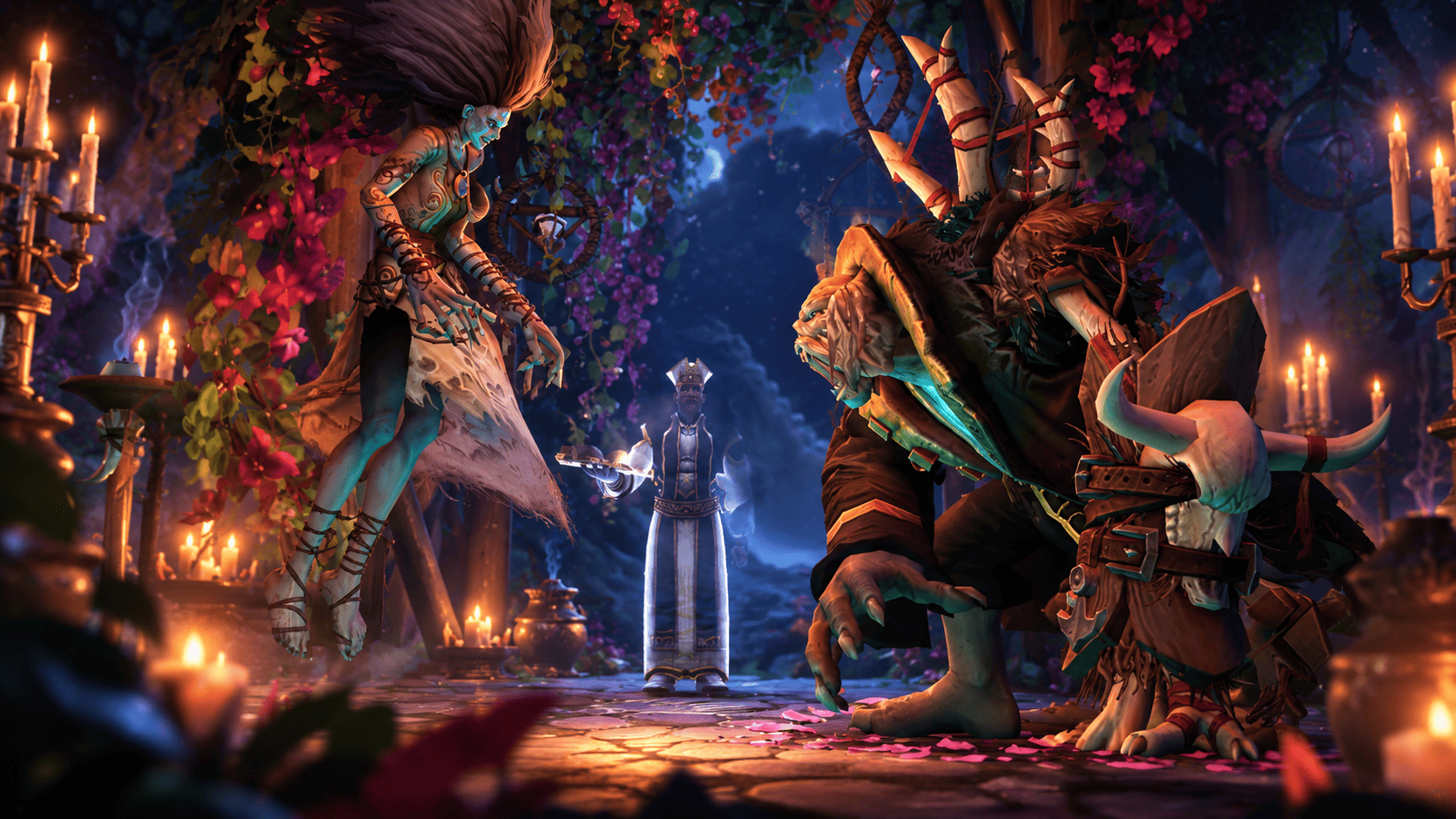
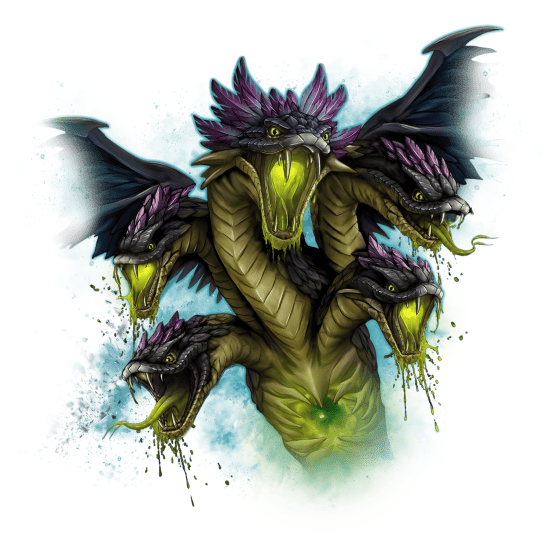
Talebound will feature four different stories at launch, each taking you into a separate setting with its own enemies and boss encounters. These aren't just four versions of the same dungeon. Every tale has a distinct theme, ranging from plague-ridden settlements to enchanted forests and deep-sea horrors.
Three stories will be available during the first PTR demo. The fourth, Grove of the Night Court, is planned for the full release.
|
Story |
Setting |
Known bosses |
|
Darkhaven |
A settlement isolated after a devastating plague |
Konrad von Sonnesheim, Alexandre Dozsenc |
|
Greenthistle Wood |
Dangerous woodland filled with witches and monsters |
Granny Greenthumb, Ylska Vilefang, Mobog |
|
Greywake's Expedition |
An island plagued by sinister, otherworldly forces |
Zzyg'th, Chathoa |
|
Grove of the Night Court |
A dark fairy-tale realm |
Tilywth, Maernok |
Darkhaven
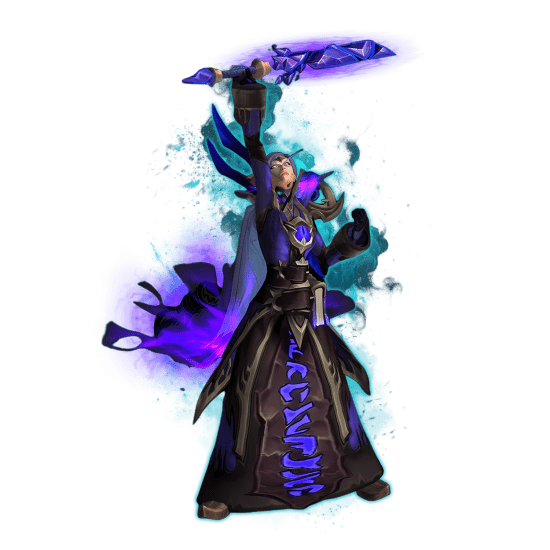
Darkhaven is a settlement that somehow survived a devastating plague while the surrounding world was wiped out. Its two named enemies are Konrad von Sonnesheim, the Lord Marshal, and Alexandre Dozsenc, the Blood Bishop.
I expect this one to lean heavily into the darker gothic side of Talebound, but the actual encounter mechanics haven't been revealed in enough detail to give proper boss strategies yet.
Greenthistle Wood
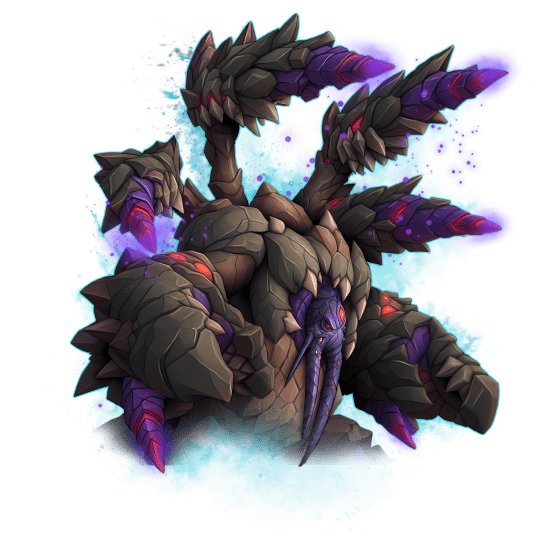
Greenthistle Wood features two villages, Shady Hollow and Riverton, surrounded by a forest full of dangerous creatures. Its main enemies include Granny Greenthumb, the Witch of the Woods, Ylska Vilefang, the Witch of the Wilds, and Mobog, the Giant of Greenthistle.
This is one I'm particularly interested in seeing because the setting sounds suitable for a mix of smaller enemies, dangerous magical attacks, and large boss encounters. We'll need PTR footage to find out how those fights actually play.
Greywake's Expedition
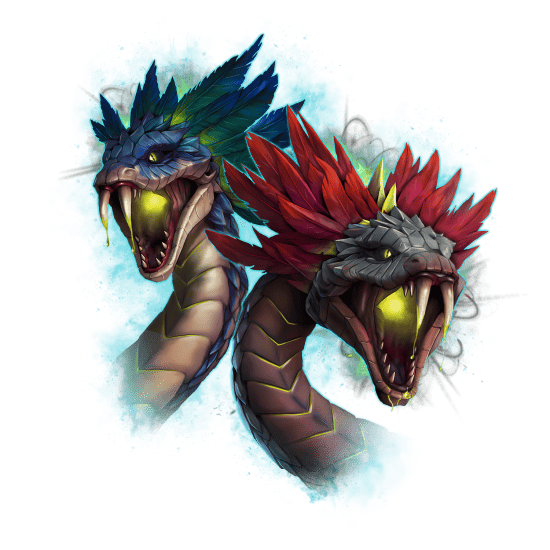
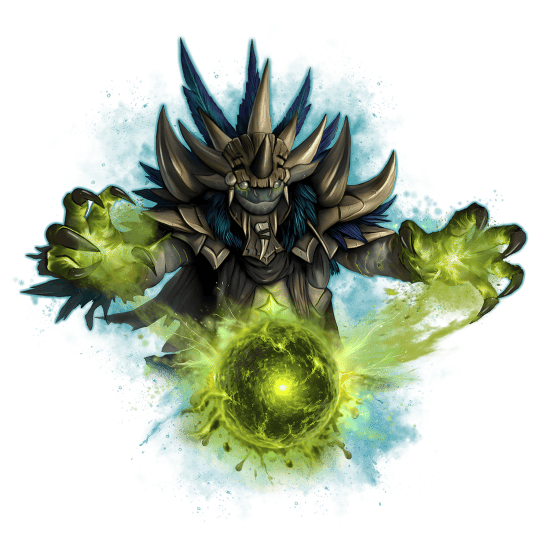
Greywake's Expedition takes place around Greywake's Hill, an island that was once prosperous before something terrible happened. The story revolves around the horrors associated with Zzyg'th, the Hadal Tyrant, and Chathoa, the Herald from Beyond.
Out of the three demo stories, this looks like the one with the strongest deep-sea horror theme. However, we don't yet know the exact boss mechanics, enemy abilities, or optional encounters.
Grove of the Night Court
Grove of the Night Court is the fourth announced story, featuring Tilywth, the Fairy Queen, and Maernok, the Nightmare King. It's not included in the first public demo, so information about its gameplay is currently limited.
We'll have to wait for additional testing or official previews before getting into its encounters and mechanics.
Talebound Progression and Upgrades
Progression is a major part of Talebound because your character improves between attempts. Whenever you finish a tale and return to Quillgrave, you can visit several NPCs to unlock upgrades that help with future runs. This is where the roguelite system starts getting interesting, since you're not necessarily starting every adventure with the exact same capabilities.
There are four main upgrade vendors in Quillgrave. Each handles a different part of your progression, from additional consumables to talents and improved base stats.
|
Vendor |
Upgrades |
|
Arcanist |
Unlocks additional potions, draughts, and flasks that can appear during tales |
|
Scribe |
Provides talents that change or improve your class abilities |
|
Outfitter |
Improves starting health, damage, energy, and focus |
|
Antiquarian |
Unlocks passive bonuses that can affect how you approach stories |
The Outfitter is probably the first vendor I'd investigate as a beginner, since improved starting stats should help regardless of which build you're running. The Scribe also sounds particularly important because some of the talent interactions we've already seen could significantly change how individual classes play.
For example, Slayer can gain additional effects on Silver Bolt and Minefield, Inquisitor can improve its burning effects and defenses, and Witch can strengthen its summoned creatures or add extra crowd control.
However, there's still an important detail missing: we don't know enough about upgrade costs, unlock requirements, or how quickly you earn progression resources to recommend a specific purchasing order.
Talebound currencies
Two currencies worth knowing about are Ducats and Bound Silver. They serve different purposes, so don't confuse regular Talebound progression with the currency used for cosmetic rewards.
- Ducats: A currency that can be converted into resources used for Talebound progression.
- Bound Silver: A Warband-bound currency earned through activities such as quests, achievements, and story progression. You can spend it on cosmetic rewards.
Bound Silver can be spent through the Talebound store, which is accessible from the character selection screen, Game Menu, or through Nib in Quillgrave.
Talebound Rewards
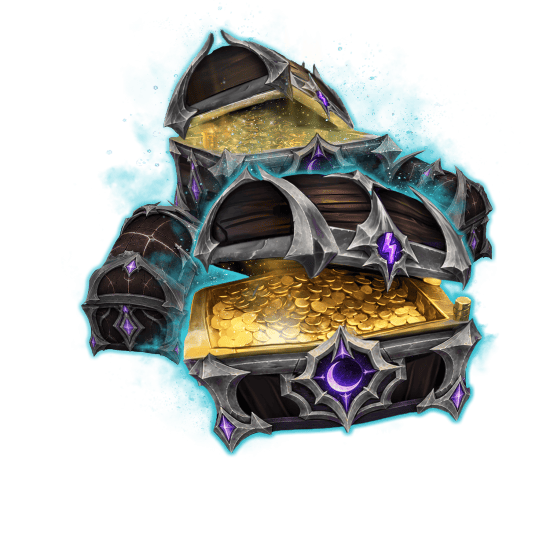
Talebound isn't just about testing your skills with three unusual classes. There are also cosmetic rewards you can earn and use outside the mode, including mounts, companion pets, transmog sets, and housing decorations.
PTR coverage currently identifies 9 mounts and 4 companion pets associated with Talebound, alongside other cosmetic rewards. The final availability and acquisition methods may still change before release.
|
Reward |
Type |
Details |
|
Mount |
A flying book-themed mount |
|
|
Mount |
Ground mount |
|
|
Mount |
Ground mount |
|
|
Mount |
Flying mount |
|
|
Enchanted Woodland Wanderer |
Mount |
Ground mount |
|
Mount |
Ground mount |
|
|
Mount |
Flying mount |
|
|
Mount |
Ground mount |
|
|
Mount |
Ground mount |
|
|
Companion pet |
Magic-type battle pet |
|
|
Companion pet |
Flying-type battle pet |
|
|
Companion pet |
Beast-type battle pet |
|
|
Companion pet |
Humanoid-type battle pet |
|
|
Transmog |
Cosmetic outfit inspired by the mode's dark fantasy setting |
|
|
Quillgrave Storyteller's Lectern |
Housing decor |
Storyteller-themed furnishing |
|
Quillgrave Talebound Shadowtome |
Housing decor |
Decorative tome |
|
Class Mythic achievement titles |
Titles |
Associated with Mythic completion achievements for the three classes |
|
Stories to Share title |
Title |
Associated with completing the Storyteller's stories |
Personally, the Shadowbound Storybook mount is the reward I'd be most interested in collecting. It's a pretty unusual mount concept compared to what we're normally farming in WoW.
The achievements also suggest that Mythic difficulty will be part of the larger Talebound experience. However, Mythic isn't included in the first public demo, and its exact difficulty and requirements haven't been established through hands-on testing yet.


You got -20% OFF 
Talebound Tips and Tricks
I wouldn't pretend there's already a perfect class build or the fastest farming route. But looking at the revealed abilities gives us a few things worth keeping in mind before your first run.
These are the tips I'd like to share:
- Start on Normal Difficulty. We’re all seasoned hardcore players who have beaten all mythic raids without wiping. But if you don’t want to get frustrated by the new combat system and rules, just start with the easiest difficulty level to get the hang of it.
- Pick the class based on its playstyle. There are only 3 classes, and you want to know the meta? Come on. Just pick the one that has the right vibe and enjoy the storytelling. There’s no need to compete against it.
- Be careful using your abilities. Some of them lock you in place, and you don’t want to be locked in place when a boss is doing its big attack. Yes, it's obvious, but still worth repeating time after time.
- Skills have range. Make sure you’re far enough or close enough to the enemies for your skills to land damage and be effective. It’s going to come with experience, but there’s going to be that sweet spot between a safe but effective distance.
- Try out different upgrades. No one will judge you for not making the absolute meta build. Remember, Talebound is just a fun little side adventure; just experiment and have fun.
I feel like most WoW players are susceptible to a lot of public opinion and are prone to follow “the best of” lists and whatnot. In the meantime, we’re forgetting to enjoy the game and immerse ourselves. Talebound is your chance to literally dive into some cool and spooky side stories, so my final advice is - just play at your own pace!
Read our other WoW guides:
F.A.Q.
When is Talebound coming to WoW?
Talebound is planned for Patch 12.1.7, Echoes of the Worldcore. Its first public PTR demo runs from October 30 to November 1, 2026, although the final live-release date hasn't been confirmed yet.
Can you play Talebound solo?
Yes, Talebound is designed for solo and small co-op groups. It will be possible to beat all stories on any difficulty solo.
What is the best class in Talebound?
It’s too soon to tell which class is the best, but there are only 3 of them with very different playstyles. Time will tell.
Is Talebound free to play?
While the demo of Talebound will be available for free and won’t require an active subscription, once the mode releases, to access it you will need access to WoW Retail by way of an active subscription.
Does Talebound have Mythic difficulty?
In-game Achievements mention Mythic difficulty in Talebound, although the demo is only for Normal, Veteran, and Heroic.
What rewards can you get from Talebound?
Rewards from Talebound are for WoW Retail and are acquired through Bound Silver currency unique to Talebound. Rewards include a mount, Pets, Transmog, and Housing Decor, as well as a few achievements.