 Dallon Avery
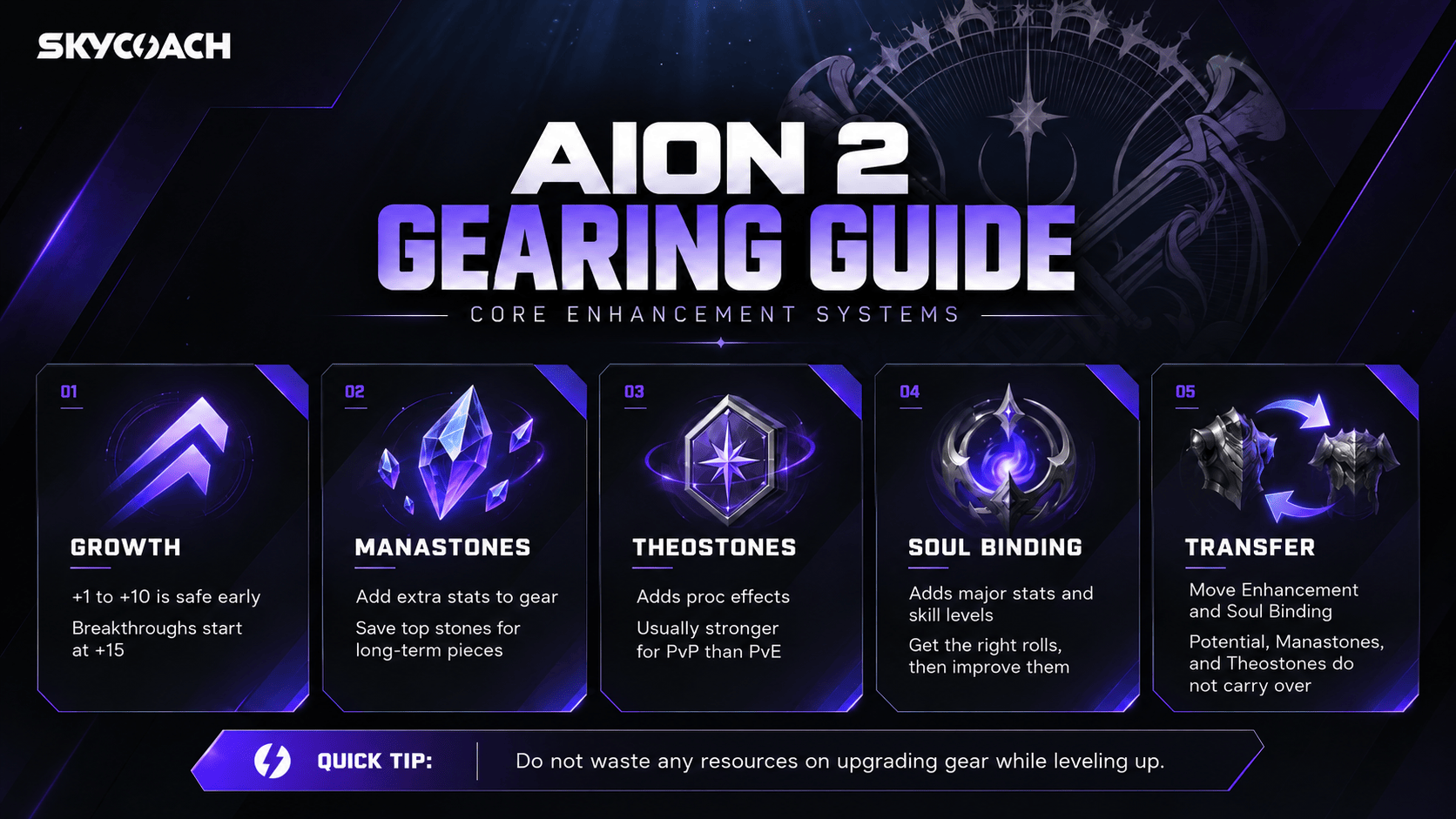
AION 2 Gearing Guide Quick Overview:
- There are 3 types of gear in the game: PvE (crafted), PvP (Abyss shop), Neutral (dungeons)
- Growth handles Enhancement, Breakthroughs, and Potential for long-term item power.
- Manastones let you roll extra stats, but perfect early rolls are rarely worth the cost.
- Soul Binding adds major stats and effects, making it one of the most important upgrade systems.
- Transfer lets you carry key progress to new gear, so upgrades are not always lost when replacing items.
Every time time you upgrade your gear, you must pay with Kina, and the more you do it, the more you have to spend. Buy AION 2 Kina at Skycoach and get any amount you need for a very affordable price.

Read closely 
Browse our hottest Aion 2 Boosting services








AION 2 Gearing Overview
There are all sorts of things you can do with your gear in AION 2 and, truth be told, looking at the menu for the first time, it all feels pretty overwhelming. In this guide, I’ll walk you through the Enhancement system and explain what you can do with your gear.
But first things first. You gotta know that there are three equipment types in the game:
- Crafted gear - for PvE
- PvP gear - from Abyss shop
- Dungeon gear - neutral
Their basic stats are similar, and the only difference between those 3 types is one single stat line, which makes them better for one or the other content type. PvP gear gives you a PvP damage boost; crafted gear gives you a PvE damage boost. But besides that, the stats structure is completely identical. Any additional stats and effects that come on top of those base stats that are the same come from all sorts of upgrades and enhancements, which I’ll cover in this guide.
Most gear progression happens inside the Enhancement menu, which is divided into five tabs:
- Growth - increases equipment level and handles systems such as Breakthrough and Potential.
- Manastone - adds and rerolls additional stats.
- Theostone - adds special on-hit effects.
- Soul Binding - provides additional stats and other powerful effects.
- Transfer - moves certain progression from an old item to a replacement.
So a piece of gear that you get is nothing more than a template for future upgrades. At the same time, many of these systems consume valuable materials, so knowing which gear is worth investing in is just as important as knowing how each upgrade works.
But the good news is - you don’t have to do any of this while you’re leveling up. If you check out my leveling guide, you’ll learn that it’s actually better to stay away from this “Enchancement” window until you’re max level. Otherwise, you’d just be wasting your resources because the MSQ just keeps throwing new gear at you.
Growth: Enhancing Your Gear
Growth is the first Enhancement tab and the main way to increase an item's raw power. This is where you raise its Enhancement level and eventually unlock Breakthroughs for further upgrades.
Enhancement starts simple. From +1 to +10, upgrades are guaranteed. You only need two things that are required:
 Enhance Stones - come from Substance Morphing, dungeon reward cubes, etc.
 Kina
Kina
After +10, upgrades become chance-based, meaning failed attempts will just waste your resources.
From +15 to +20, each successful Breakthrough adds a new percentage-based bonus. Also, you’ll need a different resource:  Amplify Stone. For example, Armor gains defensive stats, while weapons and accessories gain offensive stats. Each breakthrough level adds 1% to that new stat. Current Heroic gear enhancement rates have also been increased compared with the original launch values, making the later stages less punishing than they used to be.
On a quick note, your inventory (Cube) has a little button at the bottom for Item Extraction. This lets you basically disassemble any gear into those Enhance Stones, but it will require  Kina to make the process go through. So, this is one of the alternatives, and dare I say, a better way to get those stones while also keeping the inventory clean because you wouldn’t have to run back to town’s merchant to sell old stuff. This works for equipment enhanced to up to +10, and extracting like that will give you back all the stones you used to get that +10.
Potential
Potential is another part of equipment growth that adds an extra specialized bonus to eligible gear. While PvP gear already comes with its signature “PvP damage boost” stat, dungeon gear and crafted gear get their “PvE damage boost” from this Potential. Potential is worth treating differently from basic Enhancement. Raising an item to +10 is a straightforward early investment, while optimizing Potential makes more sense once you start getting gear that will stay in your build longer.
Manastones
Manastones are used to add extra stats to your equipment. Most gear pieces have multiple Manastone slots, and filling them is one of the main ways to fine-tune a build around the stats your class needs.
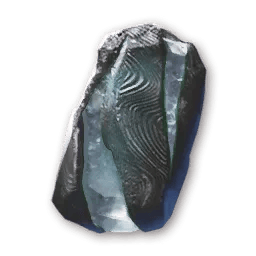
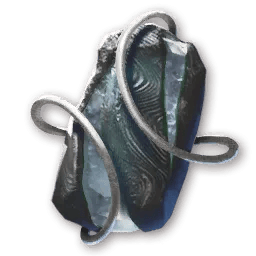
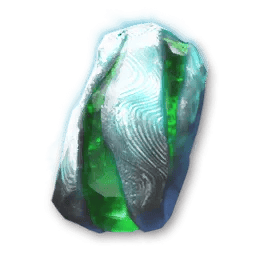
There are different types of manastones, and they also sort of have tiers:
| Icon | Manastone Type |
 |
Lesser Manastone |
 |
Intermediate Manastone |
 |
Superior Manastone |
 |
Lesser Abyssal Manastone |
 |
Intermediate Abyssal Manastone |
 |
Superior Abyssal Manastone |
You can get higher-tier Manastone by converting lower-tier Manastone stacks; for example, 5 Lesser Manastones can be used to craft an Intermediate Manastone, while 30 Intermediate Manastones are used for a Superior Manastone recipe. This is done via the Alchemy profession, and recipes also use some other resources for conversion.
But back to items. The number of slots depends on the item. For example, an Epic item can have three Manastone slots, while lower-tier pieces may have fewer. Imprinting Manastones also costs Kina, so constantly replacing them on temporary gear can become expensive. It’s also a waste because, unlike the enhancement stones, you can’t get Manastones back.
The important part is that Manastones are where gearing starts becoming class-specific. Stats such as Attack, Accuracy, Critical Hit, Combat Speed, Cooldown, and defensive options can all become more or less valuable depending on the build.
What Stats Should You Look For?
There is no single stat priority that works for every class, but several stats are worth understanding:
- Attack increases the base damage of abilities and also affects healing.
- Accuracy helps overcome enemy Evasion and Block.
- Critical Hit increases your chance to land critical attacks.
- Combat Speed shortens attack animations and lets you use abilities faster.
- Cooldown reduces skill cooldowns, although many classes care more about reaching a specific threshold than stacking it endlessly.
- Damage Boost increases final damage and can stack with more specialized bonuses.
- Double Chance can provide a very large damage increase in PvE when it triggers.
- Defensive builds can also make use of Evasion, Block, Endurance, and Regeneration.
The best Manastone roll ultimately depends on the class and content, so the goal here is not to maximize every offensive stat at once. It is to use Manastones to fill the gaps that matter most for your build.
Theostones
Theostones add a special proc effect to your weapons. Unlike Manastones, they are not used for regular stat rolls. Instead, they give attacks a chance to trigger an additional effect. For PvE, Theostones are usually much less important than your core stats and other enhancement systems. Their damage procs are relatively small, so they are rarely something worth heavily optimizing around. For PvP, they can be far more valuable. A well-timed crowd-control proc can interrupt an enemy or create an opening, which makes effect choice much more important there.
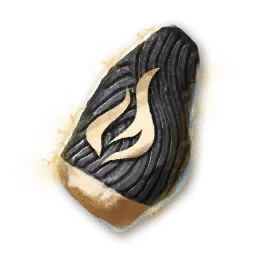
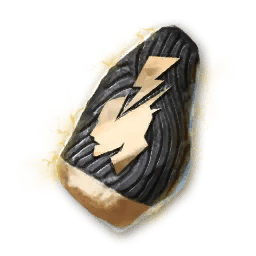
The effects vary between Theostones. Some deal additional elemental damage, while others apply useful PvP effects such as Paralyze, Slow, Snare, or Combat Speed reduction. Each one has its own activation chance, so they work as occasional combat procs rather than permanent bonuses. Here’s a highlight of some of the 51 unique Theostones that I found on AION 2’s database, what effect they add, and the chance of it proccing:
| Icon |
Theostone |
Proc Chance |
Effect |
|---|---|---|---|
 |
Bollvig's Tragedy |
3% |
Inflicts Blind for 6s |
 |
Boreas's Encouragement |
2% |
Deals 2,500 AoE Fire damage to up to 4 targets |
 |
Charna's Acumen |
4% |
Deals 1,250 AoE Water damage to up to 4 targets |
 |
Charna's Root |
2% |
Inflicts Root for 4s |
 |
Deltras's Loyalty |
3% |
Reduces Move Speed by 50% for 6s |
 |
Fasimedes's Dignity |
3% |
Inflicts Stun for 2s |
 |
Freyr's Wisdom |
5% |
Deals 2,000 Earth damage to one target |
 |
Io's Sadness |
3% |
Reduces Combat Speed by 50% for 6s |
 |
Jumentis's Dexterity |
20% |
Deals 250 AoE Wind damage to up to 4 targets |
 |
Khrudgelmir's Silence |
3% |
Inflicts Seal for 4s |
 |
Mahisha's Wrath |
3% |
Deals 600 Bleed damage every 2s for 10s |
 |
Orissan's Blood |
5% |
Deals 450 Poison damage every 2s for 20s |
 |
Sif's Knowledge |
2% |
Deals 5,000 Water damage to one target |
 |
Sigyn's Brilliance |
10% |
Deals 1,000 Wind damage to one target |
 |
Thrasymedes's Wisdom |
10% |
Deals 500 AoE Earth damage to up to 4 targets |
 |
Traufnir's Courage |
1% |
Deals 10,000 Fire damage to one target |
 |
Vidar's Dignity |
2% |
Inflicts Paralyze for 3s |
Weapons can have a dedicated Theostone Slot, while some lower-grade equipment may not have one at all. Current database entries show higher-grade weapons commonly carrying one Theostone slot.
Browse our hottest Aion 2 Boosting services








Soul Binding
Soul Binding is one of the most important gear-customization systems in AION 2 because it can add both extra stats and skill levels to equipment. Each item has its own Soul Binding roll pool. Depending on the item and its rarity, Soul Binding can provide several additional stat lines, and some rolls can increase one of your class skills by +1 level. The database entries show lower-grade gear with only one possible stat and skill roll, while Heroic gear can support up to five Soul Binding stats and five skill rolls.
The exact stat pool depends on the item. Weapons can roll offensive stats such as Attack, Accuracy, Critical Hit, Combat Speed, Damage Boost, Weapon Damage Boost, Multi-hit Chance, Back Attack, Front Attack, and more. Armor and accessories can also roll defensive and utility stats such as HP, MP, Defense, Evasion, Block, Critical Hit Resist, and similar bonuses.
Soul Binding Roll Types
|
Roll Type |
Examples |
|
Offensive stats |
Attack, Accuracy, Critical Hit |
|
Damage modifiers |
Damage Boost, Weapon Damage Boost |
|
Speed stats |
Combat Speed |
|
Conditional damage |
Back Attack, Front Attack |
|
Proc-related stats |
Multi-hit Chance |
|
Defensive stats |
Defense, Evasion, Block |
|
Survivability |
HP, MP, Critical Hit Resist |
|
Skill rolls |
+1 level to one of your class skills |
Skill rolls are especially valuable because Soul Binding can directly upgrade your abilities.
Synchronization, Reset, and Bind
Soul Binding does not lock you into the first set of rolls you get.
Sync lets you sacrifice another piece of equipment to reroll one Soul Binding line. This is useful when most of the item is already good, and you only want to replace one bad stat.
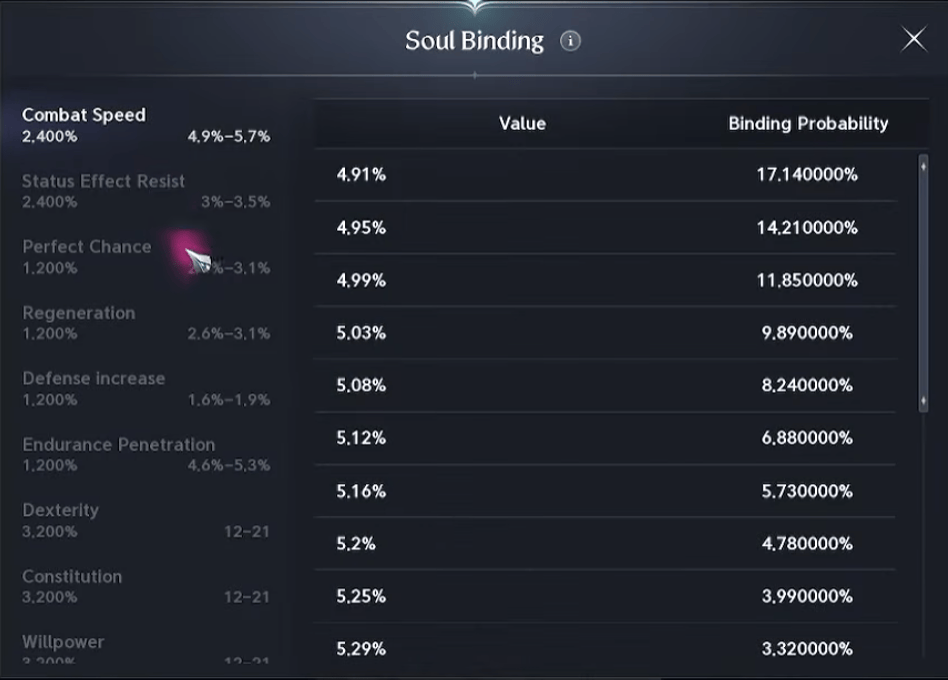
Reset rerolls all four Soul Binding stats, and there’s also a menu where you can check all possible item stats and all possible percentages for each stat, so you know the maximum value that you can get if you’re lucky. It also actually shows the probability of rolling the maximum stat.
Once you have the right stats, Bind is used to improve their values toward the maximum possible roll. For example, if a stat can roll between 2.98% and 3.5%, Bind lets you gradually push it toward 3.5%. The usual order is therefore simple: get the right stats first, then improve their values. There is little reason to spend heavily maximizing a weak Soul Binding setup that you intend to reroll later.
Soul Bond
There is also a later progression system called Soul Bond. It becomes available once eligible Unique or Heroic equipment reaches 100% Soul Binding engraving, and it adds another Soul Binding effect to the item. It requires 2 Philosopher's Stone: Revelation (Bound) and 1,000,000 Kina. This makes Soul Binding much more than a minor stat reroll system. On long-term gear, it becomes one of the main places where you can squeeze out extra stats, improve important skills, and eventually add another effect through Soul Bond.


You got -20% OFF 
Transfer
Transfer lets you move the most important progression from an old item onto a replacement. It is what makes upgrading to a better piece much less painful, because you do not have to rebuild every part of the item from zero.
The main things that carry over are:
|
Transfers |
Does Not Transfer |
|
Enhancement level |
Potential |
|
Breakthrough level |
Manastones |
|
Soul Binding data |
Theostones |
|
Eligible inherited progression |
Soul Bond effect |
Potential is specifically excluded from equipment transfer, so dungeon gear has to build its Potential again on the new item. Soul Bond effects are also not inherited.
Succession Crafting
There is also a newer form of progression called Succession Crafting. Certain crafting recipes let you use an existing item as succession material and carry over its:
- Enhancement level
- Breakthrough level
- Soul Binding data
The crafting interface shows which recipes support Succession and lets you preview the inherited progression before crafting the new item.
Advanced Succession
Advanced Succession goes one step further and allows eligible Unique gear to progress into Heroic gear while retaining Enhancement, Breakthrough, and Soul Binding data. That makes Transfer and Succession especially important when deciding where to spend expensive materials. A good piece does not necessarily become dead progression the moment a higher-grade replacement appears. One detail worth keeping in mind is that not every item behaves identically. For example, some specialized equipment can transfer only Enhancement and Breakthrough levels while keeping the target item's own Soul Binding-type effects.
Read our other AION 2 guides:
F.A.Q.
What is the best gear in AION 2?
The best gear depends on whether you are building for PvE or PvP. PvE setups benefit from PvE-focused bonuses, while Abyss gear is built around PvP stats and effects.
How high can you enhance gear in AION 2?
Enhancement limits depend on item rarity. Unique gear can reach +15 before Amplification, while Heroic gear can be enhanced to +20 before its later progression stages.
Can you transfer Enhancement levels to better gear?
Yes. Transfer can carry Enhancement progress and Soul Binding data onto eligible replacement gear. Manastones, Theostones, Potential, and certain extra Soul Binding effects do not carry over.
What happens if Enhancement fails in AION 2?
Failed Enhancement does not destroy the item or lower its Enhancement level. You lose the materials and Kina spent on the attempt, while later failures can also improve the success chance of subsequent attempts.
What are the best stats for gear in AION 2?
There is no universal priority because classes need different stat thresholds. Common offensive options include:
- Attack
- Accuracy
- Critical Hit
- Combat Speed
- Cooldown
- Damage Boost
- Double Chance
Are Manastones worth using on low-level gear?
Yes, but expensive Manastones are usually better saved for gear you plan to keep. Early equipment gets replaced quickly, while higher-grade Manastones become much more valuable when optimizing long-term pieces.
What is Soul Binding in AION 2?
Soul Binding adds extra stat lines and can also increase class skill levels. Those base Soul Binding rolls can carry through gear transfers, which makes this system particularly valuable for long-term progression.
What is the difference between Manastones and Theostones?
Manastones are used to add regular combat stats to equipment. Theostones instead provide proc effects, including additional elemental damage, crowd control, and combat debuffs.