 Dallon Avery
Welcome to the Ashes of Creation Summoner guide, MMO fans! This is another (and actually final) entry in our series covering all eight archetypes in AoC, breaking down how they work, what makes them unique, and how to get the most out of them in both PvP and PvE. If you're new to the game, maybe picking it up on Steam, here’s a quick refresher: you begin the game by choosing one of eight archetypes, and at level 25 you’ll unlock a secondary archetype that combines with your primary to form one of AoC’s 64 classes.
Today, we’re diving deep into the Summoner—the final archetype to join the roster during testing, and easily one of the most flexible and impactful roles in the entire game. Whether you want to bring out tanky guardians, agile hunters, or essence-powered mystics, the Summoner can fill gaps in a party’s composition, apply devastating DoTs, reposition allies, command the battlefield through their pets, and even control fights with potent CC tools. This guide will explain everything you need to know about the Summoner’s vessels, skills, stat priorities, augments, utility, and more.
Need help leveling up with the limited content currently in the game? Buy Ashes of Creation Powerleveling at Skycoach. If you want to reach level 25 faster to pick your secondary archetype or push toward level 50 for endgame builds, SkyCoach offers fast, safe, and reliable leveling handled by experienced MMO players who know the most efficient routes and strategies. It’s a great way to speed up your progress without the grind.
With that said, let’s break down everything the Summoner brings to the world of Verra.
Read our other Ashes of Creation guides:
Note: At Skycoach, you can Buy Ashes of Creation Boost at the best prices with fast delivery. Use our special PROMO CODE (in green) hidden in this article for a 20% DISCOUNT.
Browse our hottest AoC Boosting services


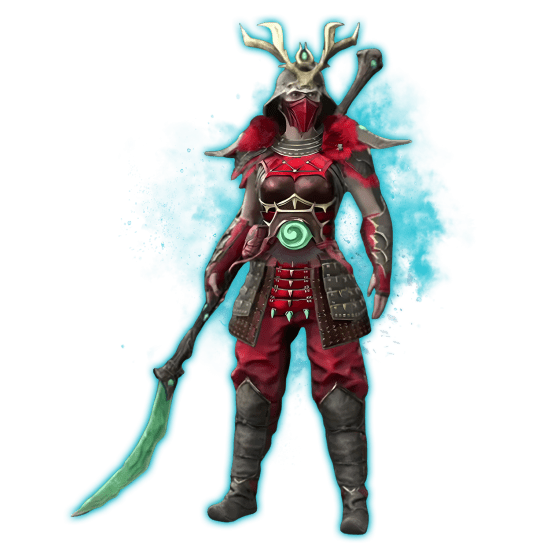

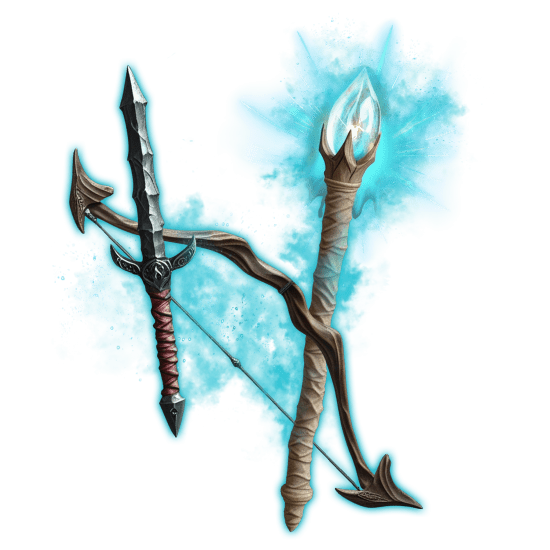

Summoner Overview
 This Ashes of Creation Summoner overview will give you a good idea of what this archetype is all about.
The Summoner is the most complex archetype in the game, built around commanding powerful spirit constructs known as vessels. These vessels are not traditional pets—according to the lore, they are Essence-crafted creations of Vyra, the Goddess of Creation.
In gameplay terms, that means your power doesn’t get split between you and your summon like in some MMOs. Your vessel adds to your kit rather than replacing it, letting you function as a DPS, support, or even a tank depending on the situation. So, let’s learn how to play Summoner in Ashes of Creation with this quick overview:
At its core, the Summoner blends three major elements:
- Damage over Time (DoTs) that can be accelerated through clever rotation timing
- Direct damage tools, including strong burst windows when timed with Hex detonations and pet abilities
- Resource management, where your spells and your vessel’s actions generate and consume Essence
You’re always juggling your own cooldowns, your vessel’s abilities, positioning, stance control, and debuff timers. This creates one of the highest skill ceilings in the entire archetype roster. A skilled Summoner can compress a 15-second
Hex into a near-instant burst or manipulate the battlefield by teleporting vessels, swapping locations, silencing groups, and using Phase Out to survive deadly situations.
Summoners have access to three base vessels:
- Spirit Guardian – a tank vessel with taunts, high threat, and AoE control
- Spirit Hunter – a DPS vessel with melee and ranged stances and strong crit scaling
- Spirit Mystic – a support vessel that provides single-target heals, AoE healing, and cleanses
Any Summoner can use all three vessels, but their effectiveness shifts dramatically once you choose your secondary archetype at level 25. This is where classes like Necromancer, Spellmancer, Brood Warden, and Shadowmancer begin to form, each enhancing or altering vessel behavior through augments, visuals, and role specialization.
The result is an archetype that can plug almost any hole in a group composition, maintain high solo survivability, and scale very well in large-scale PvP thanks to strong AoE control and the ability to manipulate combat from range. Summoners who master their pet commands, cooldown syncing, and positional tools will always stand out in both organized PvP and dungeon/raid groups.
Summoner Pros and Cons
The Summoner is one of the most adaptable archetypes currently, able to shift between DPS, support, and tank-style play by swapping vessels and later layering in secondary archetype augments. This flexibility is powerful, but it also demands tight execution and strong multitasking. Let’s learn about Ashes of Creation Summoner pros and cons so you can better understand what kind of archetype you’re dealing with.
Pros
- Extremely flexible: can cover DPS, healing, or tanking needs depending on the vessel
- High impact in PvP and PvE through strong AoE control, DoT pressure, and coordinated burst windows
- Excellent utility thanks to teleportation tools, silences, roots, and health/mana transfer abilities
Cons
- One of the highest mechanical skill floors due to pet control, Essence flow, and timing-based abilities
- Limited personal mobility outside of Transpose, making positioning mistakes very punishing
- Highly dependent on vessel uptime; losing your summon at the wrong moment cuts your power sharply
This archetype is made for a specific type of MMO player who loves having AI companions at all times that assist them in battle. If you’re not scared of overly complex AI controls and just more buttons to press, you will love this archetype. But if you’re just chasing the meta or looking for something straightforward, this might not be an archetype for you.
Summoner Classes
When you reach level 25 in Ashes of Creation, you unlock your secondary archetype. This turns your base Summoner into one of eight hybrid classes, each reshaping how your vessels behave, what roles you excel in, and how your Essence-driven gameplay evolves. Some combinations specialize your Guardian, Hunter, or Mystic vessels into their intended role, while others add entirely new layers such as stealth, healing, or elemental damage.
Here’s a complete breakdown of every Summoner hybrid class:
| Class | Archetypes | Description |
| Beastmaster | Summoner + Ranger | A vessel-control specialist that emphasizes mobility, precision, and coordinated targeting. Ranger augments improve positioning tools and create agile, responsive summons suited for kiting and ranged engagements. |
| Brood Warden | Summoner + Tank | A defensive summoner that reinforces the Guardian vessel, boosting threat, durability, and damage-sharing mechanics. Ideal for filling tank gaps in party compositions. |
| Conjurer | Summoner + Summoner | The pure pet-master class. Conjurers gain the strongest vessel enhancements and may access multiple active summons, pushing battlefield presence and Essence manipulation to the limit. |
| Enchanter | Summoner + Bard | A supportive summoner that augments the Mystic vessel with buffs, regeneration, and utility options. Enhances group effectiveness through cleansing, supportive Essence effects, and battlefield rhythm control. |
| Necromancer | Summoner + Cleric | A hybrid life-and-death summoner. Cleric augments allow you to choose between healing-focused spirits or undead, damage-oriented summons. Strong self-sustain and powerful thematic transformation of vessels. |
| Shadowmancer | Summoner + Rogue | A stealth-flavored summoner that uses Rogue augments to improve repositioning, ambush setups, and shadow-themed pets. Offers deceptive utility and burst timing tools in both PvP and PvE. |
| Spellmancer | Summoner + Mage | A high-damage class that enhances DoTs, Hex bursts, and arcane interactions. Mage augments add elemental themes, stronger ranged pressure, and faster, more explosive burst windows. |
| Wild Blade | Summoner + Fighter | A frontline-leaning summoner with aggressive Essence generation, improved melee synergy, and durable pets. Ideal for players who want to stay close to the action while maintaining summoner flexibility. |
Each of these hybrid classes reinforces a different aspect of the Summoner fantasy, letting you push deeper into damage, support, control, or frontline presence. The real depth comes from how your chosen class reshapes your vessels, altering both their battlefield role and their visual identity as you progress.
Summoner Stat Priority
Ashes of Creation Rogue stat priority varies more than any other archetype because your performance depends heavily on the role you are hybridizing into. Whether you’re pushing raw damage with the Spirit Hunter, stabilizing a group with the Spirit Mystic, or anchoring fights with the Spirit Guardian, your stats determine how well both you and your vessel perform. Here’s a breakdown of the core attributes and how they benefit Summoners across all three playstyles.
| Primary Stat | Priority | Key Benefits for Summoners |
| Intelligence | ⭐⭐⭐⭐⭐ | Magical Power, Magical Accuracy, higher DoT and burst scaling |
| Wisdom | ⭐⭐⭐⭐ | Mana pool, Mana regen, Casting Speed, Magical Penetration, Magical Crit Chance |
| Mentality | ⭐⭐⭐ | Magic Resist, Mana Regen, Magical Disable Evasion |
| Constitution | ⭐⭐⭐ | Max Health, Physical Mitigation, survivability when managing vessel uptime |
| Dexterity | ⭐⭐ | Weapon combo speed and accuracy, helps accelerate Hex and Spirit Shred interactions |
| Strength | ⭐ | Very low impact unless hybridizing into melee via Fighter subclass |
Top Priority: Intelligence
Intelligence fuels nearly every part of the Summoner’s personal kit. Your damaging spells, DoTs, Spirit Shred ticks, and Arcane/Spirit abilities all scale from magical power. Because Summoner gameplay revolves around creating burst windows—especially when timing Hex detonations or synchronizing damage with your vessel’s attacks—Intelligence directly amplifies the payoff of your rotations. If you are focusing on DPS-oriented setups or running the Spirit Hunter in aggressive content, Intelligence is your strongest stat by far.
Secondary Priority: Wisdom
Wisdom increases mana, mana regeneration, magical penetration, casting speed, and magical crit chance. All of these are invaluable to a Summoner, especially during longer fights where uptime matters. Summoners frequently weave channels, DoTs, and Essence-consuming commands, meaning resource efficiency is a core part of high-level play. Wisdom becomes even more important when using the Spirit Mystic due to its healing output scaling from your magical stats.
Defensive and Utility Focus: Mentality & Constitution
Mentality improves magical defense and mana sustain, making it useful when you expect heavy incoming spell pressure or need smoother rotations in mana-intensive builds. Constitution provides basic survivability, which is critical because Summoners often play midline rather than backline, especially when repositioning with Transpose or coordinating pet placement. Tank-focused Summoners (Brood Warden combinations) will value Constitution even more.
Optional Value: Dexterity
While not a primary caster stat, Dexterity improves weapon combo accuracy and attack speed. This matters because your weapon combos generate Essence and accelerate effects like Hex when used correctly. Dexterity is never a main priority, but it can offer subtle benefits in hybrid play and Essence generation efficiency.
Lowest Priority: Strength
Strength offers almost nothing to a Summoner unless you are intentionally hybridizing with a Fighter subclass for melee-focused builds. For the vast majority of Summoner playstyles, this stat can be safely deprioritized.
Summoner’s Essence and Vessels
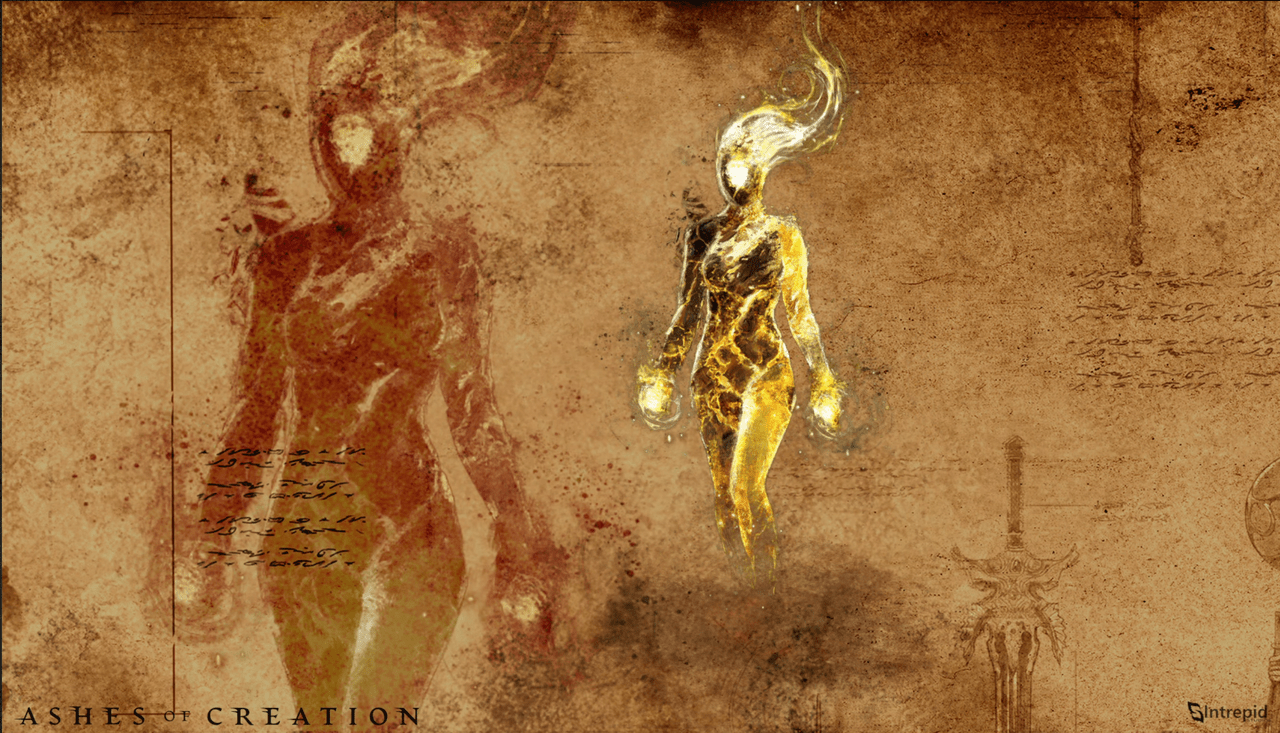
At the core of the Summoner archetype are two defining mechanics: Essence, your unique resource, and Vessels, the spirit companions that shape your role on the battlefield. Just as Stealth and Advantage define Rogue gameplay, Essence and Vessels form the foundation of how a Summoner deals damage, supports allies, and controls combat flow. Learning how these two systems interact is what separates an average Summoner from a truly dangerous one.
Essence
Essence is your primary resource and fuels many of your offensive, defensive, and support tools. You generate it passively through weapon combos and from your vessel’s basic attacks. You then spend Essence to command powerful abilities such as Essence Eruption, Suppression Ray, or high-impact AoE and utility tools.
Essence also ties directly into your rhythm of play. Because many Summoner abilities create delayed damage, DoTs, or conditional effects, managing Essence properly ensures that your burst windows align with your vessel’s actions. Combat feels like a cycle of building Essence, commanding your vessel at the right moment, and detonating your cooldowns for maximum value.
Vessels
Vessels are the Summoner’s signature mechanic—spirit constructs created through Essence, each representing a major combat role. You may have one vessel active at a time by default, chosen from three base options:
- Spirit Guardian – A tank-oriented vessel with threat generation, taunts, and AoE control.
- Spirit Hunter – A DPS-focused vessel with melee and ranged stances, strong burst skills, and Savagery stacking.
- Spirit Mystic – A support vessel capable of healing, light damage, and assisting in group sustain.
Each vessel brings its own active abilities, stance options, and role-defining tools. Spirit Guardian can slam, taunt, or protect you; Spirit Hunter excels at Eviscerate, Incapacitate, and stance shifting; Spirit Mystic brings targeted healing and can convert into broader group support under specific conditions. While Summoners cannot out-tank or out-heal true Tanks or Clerics, they can temporarily fill missing roles in group content, giving parties far more flexibility in dungeons and open-world encounters.
Vessel Commands and Control
Summoners issue direct commands to their vessel using hotbar abilities. Commands let you move the vessel to specific locations, order attacks, activate stances, or fire key abilities like Stomp, Incapacitate, or Recreate. You can also toggle automation for certain actions, letting the vessel decide when to cast abilities on its own. Mastery comes from understanding when to micromanage, when to allow automation, and how to position your vessel for maximum effect.
Vessels also have Passive, Defensive, and Assist stances, controlling how aggressively they behave and how they respond to nearby threats. Proper stance management prevents unwanted pulls, improves uptime, and allows you to adapt to changing battlefield conditions.
Synergy Between Essence and Vessels
Summoner combat revolves around timing: aligning your spells, your vessel’s actions, and the effects of abilities like Hex, Spirit Shred, or Mass Affliction. Many abilities trigger off vessel attacks or accelerate ticking debuffs. Others, like Dimensional Bolt or Transpose, manipulate vessel positioning to set up powerful follow-ups. Because your spellcasting and vessel abilities feed into one another, every encounter becomes a puzzle of sequencing, placement, and resource flow.
A skilled Summoner constantly watches Essence levels, vessel cooldowns, debuff timers, and positioning. This interplay creates a high-ceiling playstyle that rewards players who enjoy strategic multitasking and deliberate execution. Properly syncing these two systems provides exceptional battlefield control, consistent pressure, and some of the best group utility in Ashes of Creation.
Summoner Augments
Once you reach level 25 in Ashes of Creation, you unlock your secondary archetype—and with it, the augment system. Augments modify your existing Summoner abilities, altering damage types, adding utility, reshaping how your vessel behaves, or granting entirely new effects that deepen your role identity. For Summoners especially, augments are transformative: they don’t just change your skills—they change your vessel, which is half of your power budget.
What Augments Do
Augments are enhancements applied to a subset of your active abilities. They don’t add new buttons to your hotbar; instead, they modify existing spells to better suit your chosen class fantasy. The impact ranges from simple tweaks to complete redesigns:
Reduced mana cost, altered cooldowns, or additional scaling
- Changing an ability’s damage type (Arcane → Fire, Spirit → Lightning, etc.)
- Adding supportive or healing components
- Modifying how your vessel interacts with the ability
- Transforming visual and thematic elements
These adjustments compound quickly. A Summoner with a Cleric secondary will play nothing like a Summoner with a Fighter or Rogue secondary, because their vessels evolve alongside their kit.
Archetype Influence on Vessels
Secondary archetypes heavily influence the role your vessel performs best in. Choosing Tank makes your vessel sturdier and improves threat tools. Choosing a healing-oriented subclass enhances restorative effects and supportive mechanics. DPS-focused secondaries add burst potential, elemental conversions, or offensive synergy.
Most importantly, augments can change the appearance of your vessel. Without a secondary, vessels appear ethereal and Essence-formed—minimal shapes defined by Vyra’s creation energy. With a secondary, they become more material and thematic, reflecting your class identity. A Necromancer may turn a Spirit Guardian into an undead construct; a Brood Warden may forge something more armored and imposing.
Summoner as a High-Flex Augment Archetype
Because the Summoner already bridges roles through vessel selection, augments multiply that flexibility. This means you can specialize deeply into a chosen direction—DPS burst, sustained healing, tank durability—or remain a hybrid capable of filling gaps in a group. The developers have hinted that some flexibility may be limited in the future to ensure balance, but Summoners remain one of the most versatile classes in the game.
In short, augments define your final class and reshape your vessel’s identity. Whether you want skeletal minions, empowered spirits, elemental constructs, or stealth-infused summons, your choice of secondary archetype—and how you apply its augments—determines what kind of Summoner you become.
Summoner Skills
Summoners rely on careful sequencing, delayed-damage effects, and vessel micromanagement to control the battlefield. Their gameplay revolves around timing—accelerating DoTs, syncing burst windows with vessel abilities, and using teleportation and control spells to reposition both themselves and their spirit companion. Unlike most archetypes, Summoners operate through a dual-action kit: your skills and your vessel’s skills, both of which contribute to your total output. Mastery comes from managing both layers at once.
Here’s a complete list of currently known Ashes of Creation Summoner skills:
| Skill | Vessel | Description |
| Assist Stance | All Vessels | Orders your vessel to automatically engage enemies you attack. |
| Automate Pet Abilities | All Vessels | Toggles automated or manual casting of the vessel’s abilities. |
| Bond | None | Redirects 25% of damage you take to your vessel while active. |
| Command: Dismiss | All Vessels | Removes your active vessel from play. |
| Command: Follow | All Vessels | Instructs your vessel to follow you. |
| Command: Guard | Spirit Guardian | Reduces the Guardian’s damage dealt by 30% for 20s to enhance defense. |
| Command: Incapacitate | Spirit Hunter | Commands the Hunter to apply Incapacitated to its target. |
| Command: Move to Location | All Vessels | Sends your vessel to a targeted location. |
| Command: Recreate | Spirit Mystic | Orders the Mystic to heal an ally; may become a group heal under certain conditions. |
| Command: Sic | All Vessels | Commands your vessel to attack an enemy or heal an ally. |
| Command: Stay | All Vessels | Orders your vessel to remain in place. |
| Command: Stomp | Spirit Guardian | AoE slam that generates high threat. |
| Command: Taunt | Spirit Guardian | Forces the Guardian to taunt your target. |
| Defensive Stance | All Vessels | Puts your vessel in a defensive stance, reacting only when attacked. |
| Dimensional Bolt | None | Fires a bolt for Arcane damage; reactivating teleports your vessel to the bolt’s location. |
| Disintegrate | None | Channels Necrotic damage over time and applies Snared stacks. |
| Essence Eruption | Spirit Mystic | Orders the Mystic to explode Essence in an AoE around its target. |
| Eviscerate | Spirit Hunter | Deals high stance-dependent damage; bonus damage from behind in melee stance. |
| Extract Vessel | None | Transfers 20% of your vessel’s health to you; Mystic overheal becomes temporary HP. |
| Hex | None | Applies Hex. Vessel attacks, Shred ticks, and combos reduce its duration before detonation. |
| Incapacitate | Spirit Hunter | Applies Incapacitated; differs by stance (channeled in ranged stance). |
| Lunge | Spirit Hunter | Moves the Hunter toward or away from the target based on stance. |
| Mass Affliction | None | AoE Necrotic DoT that applies Weakened. |
| Melee/Ranged Stance Swap | Spirit Hunter | Switches the Hunter’s stance. |
| Mortal Blast | None | AoE Necrotic damage that spreads Spirit Shred between enemies. |
| Passive Stance | All Vessels | Your vessel ignores all enemies unless directly commanded. |
| Phase Out | None | Grants immunity to you and your vessel for 4s and cleanses non-disabling debuffs. |
| Shear | None | Applies Sheared to the target. |
| Siphon Vessel | None | Transfers 15% of your vessel’s max mana to you. |
| Soul Flare | None | Sends spirit energy to the vessel, creating an AoE burst that stuns enemies. |
| Spectral Bindings | None | Applies Rooted indefinitely until broken. |
| Spirit Shred | None | Applies a Spirit DoT; generates Essence each tick and resets via weapon finishers. |
| Summon Spirit Guardian | Spirit Guardian | Summons a tank vessel with high threat generation and bludgeon damage. |
| Summon Spirit Hunter | Spirit Hunter | Summons a DPS vessel that builds Savagery stacks to enhance its burst window. |
| Summon Spirit Mystic | Spirit Mystic | Summons a support vessel that heals allies and deals radiant damage. |
| Suppression Ray | None | Channels a beam that Silences and Exhausts the target. |
| Transpose | None | Swaps locations between you and your vessel. |
| Void | None | Creates an AoE zone that deals Arcane damage and applies Silence. |
After spending time with these abilities, the Summoner’s identity becomes clear: a hybrid caster who orchestrates delayed effects, DoT acceleration, and vessel micromanagement to create overwhelming pressure. Smooth gameplay comes from sequencing Hex, syncing vessel attacks, managing Essence flow, and positioning with Dimensional Bolt and Transpose. Once these interactions click, the Summoner becomes one of the most dynamic and technical archetypes in Ashes of Creation.
Browse our hottest AoC Boosting services






Summoner Weapons
Summoners do not have a weapon type officially tied to their archetype, and none of the reliable sources indicate a “best-in-slot” baseline for them at this stage of development. What we can say—based on all available developer commentary—is that Ashes of Creation Summoner weapons enhance spell damage, resource efficiency, and casting consistency. Because your personal casts and your vessel’s actions scale together, you’ll generally lean toward gear that boosts magical throughput and Essence management instead of raw physical stats.
Since Ashes allows any class to use any weapon, the key factor becomes synergy: how well a weapon’s passive tree and proc effects complement the Summoner’s toolkit. Below are the weapon types that currently make the most sense for the Summoner fantasy and rotation style.
Recommended Weapon Types for Summoners
- Spellbooks – Ideal for casters who rely on spell throughput. Strong synergy with repeated DoT ticks, Shred applications, and Hex accelerations. Often offer cast speed or spell damage passives.
- Staves – A reliable two-handed option for Summoners who want higher base spell power and wider proc ranges. Excellent for DoT-heavy setups.
- Wands – Great for Summoners who prefer controlled pacing and quick filler attacks between casts. Wand passives often support mana efficiency and steady pressure.
- Spell Foci (Orbs, Sigils) – A strong offhand choice if you pair a main-hand wand with a spell focus. These items typically reinforce secondary stats like mana regen or Spirit damage.
Niche or Situational Alternatives
- Scepters – Viable if you expect a hybrid build that leans into support, especially when pairing with the Spirit Mystic for group sustain.
- Daggers – Not optimal for most Summoners, but possible in PvP builds where you want fast combo-generation or are experimenting with melee-range proc synergies.
Although Summoners can technically wield anything, the most cohesive choices remain spell-focused weapons and caster-themed offhands. These provide the stat profiles that reinforce your kit’s strengths: Essence production, DoT stacking, vessel damage amplification, and smooth spell rotation pacing. As the weapon skill trees become fully testable in later Alpha-2 phases, we’ll refine these recommendations with precise stat breakpoints and proc interactions.
Summoner Best Gear
Summoner gear selection revolves around two priorities: amplifying your magical damage profile and supporting the uptime of your active vessel. Since both your spellcasts and your vessel’s attacks scale from your core stats, the best gear for Summoners tends to focus on Intelligence, Wisdom, and supplemental Mentality to stabilize mana flow.
In general, the Ashes of Creation Summoner best gear is caster-oriented cloth sets, which will be your go-to, especially those that boost Essence generation, DoT amplification, or any effects tied to sustained magical pressure. Gear that increases your vessel’s health or mitigations is also valuable when running tank or healer vessels, since their uptime directly affects your performance. Accessories should lean toward magical crit, mana efficiency, and cast speed whenever available, helping you maintain pressure during longer engagements without starving your Essence economy.
Recommended Gear Types
- Cloth armor sets – Most consistent choice for enhancing magical output and resource management.
- Caster accessories – Rings, necklaces, and earrings that grant spell power, magical crit, or mana regen.
- Spell-enhancing offhands – Sigils and orbs that sharpen DoT ticks, Spirit damage, or cast speed.
- Defensive pieces for PvP – Hybrid or tank-leaning cloth variants when expecting heavy pressure from melee divers.
While we’ll refine this section once reliable dungeon, raid, and crafted item lists emerge, the Summoner’s gearing philosophy remains simple: invest in spell power, invest in mana flow, and protect your vessel’s uptime. Strong stats paired with a stable Essence economy make any Summoner far more dangerous in both PvE and PvP.
Best PvE Summoner Build (WIP)
We don’t yet have the full set of confirmed numbers, scaling coefficients, and encounter data. Because of this, we cannot provide a finalized or fully optimized Ashes of Creation Summoner best PVE build.
Once we’ve spent enough time with the archetype after December 11th, we’ll update this section with a full build breakdown.
Best PvP Summoner Build (WIP)
The Summoner’s PvP identity is not fully shaped yet, as mobility tuning, CC durations, vessel behavior, and damage profiles continue to change during Alpha-2 testing. For now, no definitive PvP build can be provided.
When the Summoner’s survivability tools, pet AI responsiveness, and burst timings stabilize, this section will feature detailed PvP builds for small-scale, large-scale, and dueling environments.
Summoner Rotations
Ashes of Creation Summoner rotations are all about timing your vessel’s abilities with your own spells to accelerate Hex, build Essence, and force synchronized burst windows. Unlike more rigid archetypes, Summoner gameplay is a layered priority system where DoTs, vessel attacks, teleports, CC, and Essence-based abilities all weave together. Below are two early example flows based on confirmed mechanics: a single-target rotation for bosses or elite enemies, and an AoE rotation for large pulls or PvP clusters.
These are frameworks, not final meta rotations. They will be updated once we can test the Summoner on December 11.
Single Target Rotation (Bosses / Elites)
Spirit Shred → Command: Sic → Hex → Disintegrate → Eviscerate / Spirit Hunter basic attacks → Mortal Blast → Spirit Shred (refresh) → Essence Eruption (Mystic only)
This rotation opens with Spirit Shred to immediately begin generating Essence and enabling every major interaction in the kit. Commanding your vessel to Sic ensures it locks onto the correct target and helps accelerate Hex by reducing its duration with basic attacks. Once Hex is applied, the goal is to shorten its timer as fast as possible to trigger an early detonation, creating a burst window that both you and your vessel can take advantage of.
Follow with Disintegrate, which not only deals steady ticking damage but also reduces Hex’s duration every tick. As your Spirit Hunter stacks Savagery through automatic attacks, weave in Eviscerate during its damage window for spike damage. Mortal Blast is your next priority, spreading Spirit Shred to nearby targets if present and dealing high single-target damage.
Refresh Spirit Shred whenever it expires to keep the Essence engine running. If you’re using a Mystic vessel, spend your Essence on Essence Eruption during vulnerability windows or when the boss spawns adds. Expect this rotation to evolve significantly as we test vessel stance uptime, Essence generation speed, and Hex tuning.
Multi-Target Rotation (Trash Packs / PvP Clusters)
Spirit Shred → Mass Affliction → Command: Move to Location → Mortal Blast → Void → Soul Flare → Spectral Bindings (priority target)
For AoE combat, your first priority remains Spirit Shred, since its ticks fuel Essence and spread additional DoT pressure. Follow with Mass Affliction to instantly apply AoE Necrotic damage over time to the entire pack, setting up Mortal Blast to spread Spirit Shred among clustered enemies.
Positioning your vessel becomes more important here—Command: Move to Location places them to maximize AoE abilities like Essence Eruption (Mystic) or Stomp (Guardian). Once enemies are grouped and debuffed, drop Void to silence the cluster and maintain pressure while continued ticks from Mass Affliction, Shred,
Summoner Leveling
Ashes of Creation Summoner leveling feels smoother than most archetypes, thanks to your early access to vessels, self-sustain, and flexible role-shifting. Even from level 1, Summoners can cover tanking, healing, or DPS gaps inside leveling groups simply by choosing the appropriate vessel. This alone makes Summoner one of the most forgiving and group-friendly archetypes during the 1–25 journey.
The early game revolves around establishing good pet management, building Essence efficiently, and learning when to accelerate Hex detonations for burst damage. You’ll unlock additional layers of complexity as you progress, especially mobility tools, pet repositioning, DoT spreading, and resource transfers between you and your vessel.
Early Levels (1–10)
Your first skill point goes directly into choosing your vessel (Tank, DPS, or Healer). This choice is meaningful and affects your entire early leveling flow.
- Expect a 5-second summon cast and a 60-second cooldown, and remember you can only have one vessel active at a time.
- Hex becomes your first major damage tool. Practice speeding up its detonation with vessel autos, Spirit Shred ticks, and weapon finishers.
- Spectral Bindings gives early crowd control and is especially useful for keeping melee mobs off you.
- Reconstruct lets you heal your vessel frequently, reducing downtime and keeping pull-to-pull momentum high.
During these levels, Summoner shines by being able to handle content that would overwhelm other archetypes, simply because your vessel absorbs most of the pressure. The Tank vessel is the safest option, but DPS vessel provides the fastest kills if you’re comfortable managing threat.
Mid Levels (10–20)
- You gain access to health and mana transfer abilities such as Bond and Extract Vessel.
- These tools greatly reduce downtime and let you extend long quest chains without stopping to rest.
- Disintegrate becomes a valuable channel for both damage and controlling Hex timing through rapid tick procs.
- Dimensional Bolt introduces repositioning gameplay, letting you snap your vessel behind enemies or across terrain gaps.
- AoE grinding becomes viable with Mortal Blast + Mass Affliction.
At this stage, Summoner gameplay becomes noticeably more active. You’ll be juggling DoTs, channels, CC, Essence generation, and pet positioning while maintaining pressure on priority targets. Skill expression grows quickly, but so does your efficiency.
Late Levels (20–25)
- Transpose unlocks the class’s signature defensive mobility — swapping places with your vessel.
- Void provides one of the strongest leveling AoEs in the game with a massive radius and silence effect.
- Phase Out gives you a reliable panic button, letting you reset fights while immune to hostile actions.
- Vessels also feel significantly stronger at this point, especially when used in synergy with stance swapping.
Levels 20–25 are where the Summoner truly feels complete. You gain the tools to handle dangerous pulls, escape bad situations, reposition aggressively in PvP, and control group fights with high-impact silence zones. Even before secondary archetypes unlock, the Summoner is already a versatile and self-sufficient archetype.
By the time you reach 25, you’ll have a strong grasp of Essence flow, burst windows, and vessel control — all core skills that carry directly into endgame play.
Summoner Tips and Tricks
Mastering this archetype means learning to manage both your own abilities and your vessel’s behavior at the same time. Below are some practical AoC Summoner tips that noticeably improve performance while leveling, questing, or preparing for deeper PvE and PvP content.
- Always summon the correct vessel for the situation — Tank for control, Hunter for damage, Mystic for sustain.
- Use stance commands frequently to control your vessel’s behavior and prevent accidental pulls.
- Manually place your vessel during difficult fights to avoid cleaves and maximize positional damage.
- Accelerate Hex by weaving in Spirit Shred ticks and vessel basic attacks for early burst detonations.
- Maintain Essence by keeping Spirit Shred active and always attacking something during downtime.
- Use Bond only when necessary, as redirecting your damage can quickly endanger your vessel.
- Rotate vessels when one is close to death, since each summon has its own independent cooldown.
- Pair Dimensional Bolt with Transpose to reposition aggressively or escape dangerous situations.
- Use Extract Vessel and Siphon Vessel to reduce downtime and stay healthy between fights.
- Save Phase Out for moments when you truly need to reset, escape, or shake off disables.
These quick tips help streamline leveling, improve survivability, and build good habits that carry directly into group PvE and large-scale PvP.
Conclusion
The Summoner is shaping up to be one of the most flexible and rewarding archetypes in Ashes of Creation. Its ability to adapt to tanking, healing, or DPS needs gives it a unique place in group content, and its complex kit rewards players who enjoy multitasking and battlefield control. As more systems unlock past level 25 and secondary archetypes come online, Summoners will gain even deeper customization and new ways to shape their vessels, rotations, and overall gameplay style.
For now, the PTR impressions show a promising, high-skill-ceiling archetype that excels in both PvE and large-scale PvP scenarios. As soon as the next testing phase begins and we can explore deeper builds and rotations, this guide will be updated with new optimal setups.
Is Rogue good in Ashes of Creation?
The Summoner fills an equally strong role in Ashes of Creation but in a very different way. It brings flexible utility, strong damage tools, and the ability to cover healing or tanking needs when a group is missing a role.
What is the best Rogue build in Ashes of Creation?
For Summoners, there is no confirmed best build yet due to testing limitations. Once secondary archetypes and full skill augment systems are available, top builds will emerge for DPS, support, and hybrid playstyles.
What does Rogue do in Ashes of Creation?
Summoners command vessels to tank, heal, or deal damage while applying DoTs, crowd control, and burst windows. They also excel at battlefield control through abilities like Void, Hex, and Transpose.
What stats should a Rogue have in Ashes of Creation?
Summoners adjust their stats based on their chosen role.
- Intelligence for magical damage builds
- Mentality for mana sustain and magical defense
- Constitution for survivability in PvP or solo play
What are the best weapons for Rogue in Ashes of Creation?
Summoners typically favor magical weapons that scale with Intelligence. Staves and spellbooks are expected to be the preferred options, with more detailed weapon tuning coming in future tests.
Is Rogue good for fast leveling in Ashes of Creation?
Summoner is excellent for leveling thanks to having tank, healer, and DPS options at all times. Its vessels reduce downtime, help handle elite mobs, and let players survive content that normally requires a group.
What weapon should Rogue use in Ashes of Creation?
Summoners should generally focus on weapons that grant magical power and mana efficiency. Staves offer consistent scaling, while spellbooks may provide stronger utility bonuses.
What are Rogue’s best skills in Ashes of Creation?
For Summoners, early standouts include Hex for burst setups, Void for AoE control, Spirit Shred for Essence generation, and Transpose/Dimensional Bolt for mobility. Vessel commands also play a major part in shaping the kit.