 Dallon Avery
Merge Tactics has become one of the most popular side modes in Clash Royale thanks to its fast rounds, high-impact decisions, and the thrill of merging units into late-game powerhouses. Unlike the main game, where you build a traditional Battle Deck, Merge Tactics drops you into a four-player auto-battler. You draft troops from a shared shop, position them on the board, merge copies to build stronger versions, and rely on traits and Ruler choices to control each fight. Most of the core cards return with completely different identities here, and their value shifts dramatically based on traits, synergies, and the season’s balance changes.
In this tier list, we take a close look at the best Merge Tactics cards in Clash Royale and rank them from S to D based on their current performance, consistency, and impact in the latest meta. We’ll explore the strongest units, break down how the recent trait reworks changed the rankings, and explain why some once-dominant cards fell behind. You’ll also find a complete S–D tier breakdown, card explanations, and strategic notes to help you build stronger comps and make smarter drafting decisions.
And if you need a little help winning in this mode, you can always buy Merge Tactics Boost at Skycoach. Our professional players will lend a hand at increasing your w/l ratio. You can select the desired Trophies as the goal, and you'll receive the placement in the selected league, crowns, and more battle pass rewards with it!
Read our other Clash Royale guides:
Note: At Skycoach, you can Buy Clash Royale Boost at the best prices with fast delivery. Use our special PROMO CODE (in green) hidden in this article for a 20% DISCOUNT.
Browse our hottest Clash Royale Boosting services






Merge Tactics Rankings Explained
Before we begin, we need to explain how we ranked the Merge Tactics best cards. None of them perform the same way they do in the main game. Their value in this mode depends on how well their traits scale, how consistently they reach higher star levels, and how they fit into the strongest comps of the season. Some units become early-game economy tools, others are late-game carries, and a few only shine when paired with specific traits like Superstar, Blaster, or Ranger.
To make this tier list easy to follow, we group every card into five tiers based on overall strength and reliability:
- S-Tier represents the strongest cards in the current meta.
These units deliver consistent value from round one to the final merge levels and fit naturally into the top-performing comps of the season. They scale extremely well at higher star levels, benefit from high-impact traits like Superstar, Blaster, or Ranger, and rarely need perfect synergies to dominate. S-tier cards are strong picks in nearly every match. - A-Tier includes powerful and reliable cards that thrive with the right support.
They aren’t as overwhelmingly dominant as S-tier picks, but they contribute meaningful value in many comps. Their traits complement the strongest strategies, their abilities scale well, and they remain stable performers even when shop RNG isn’t ideal. These units frequently appear in winning drafts. - B-Tier is made up of situational cards with noticeable strengths and noticeable weaknesses.
They tend to excel in the early game, or in very specific trait combinations, but fall off if they don’t hit key merges or synergies. These cards can still carry rounds when drafted smartly, but they require more planning and don’t offer the same level of consistency as higher tiers. - C-Tier contains cards that struggle to keep up with the current meta.
Their traits may be mismatched, their abilities don’t scale well at higher star levels, or the season’s dominant comps simply overshadow them. They can still perform in narrow setups or with lucky merges, but they’re not reliable choices and are usually bypassed when stronger options appear in the shop. - D-tier consists of the weakest cards in the mode this season.
These units suffer from poor trait combinations, weak stat scaling, slow abilities, or mechanics that are countered heavily by the modern Superstar–Witch meta. They rarely provide meaningful value even at higher stars and are generally picked only when absolutely necessary or for very early-game filler.
With these rankings for the Merge Tactics tier list in Clash Royale in mind, let’s move on to the full S–D tier list and see how every card in Merge Tactics stacks up this season.
Merge Tactics Best Cards Tier List (October 2026)
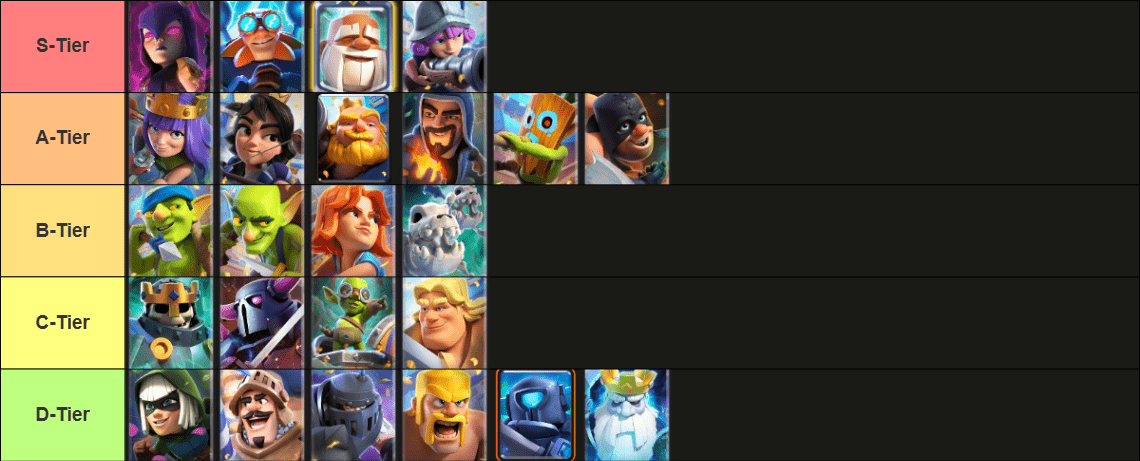
Now that we’ve covered how each card is evaluated, here’s the complete tier list for the current Merge Tactics card rankings. This ranking reflects the most recent balance changes, trait reworks, and the rise of Superstar- and Witch-driven comps. Every unit below is placed based on its consistency, scaling, and overall performance across early-, mid-, and late-game rounds.
| Tier | Cards |
| S-Tier | Witch, Electro Giant, Monk, Musketeer |
| A-Tier | Archer Queen, Princess, Royal Giant, Wizard, Dart Goblin, Executioner |
| B-Tier | Spear Goblin, Goblin, Valkyrie, Skeleton Dragons |
| C-Tier | Skeleton King, P.E.K.K.A, Goblin Machine, Golden Knight |
| D-Tier | Bandit, Prince, Mega Knight, Barbarian, Mini P.E.K.K.A, Royal Ghost |
This overview gives you a quick snapshot of the best cards in Merge Tactics in the current update. Next, we’ll break down each tier and explain why these cards landed where they did, starting with the most dominant units in the game.
S-Tier
S-tier is for Merge Tactics meta cards. They deliver impact from the opening rounds and scale into unstoppable win conditions once they reach higher star levels. These units perform well in almost every comp, thrive under the Superstar-heavy environment, and offer raw value that doesn’t rely on perfect shop RNG or narrow trait setups.
Witch
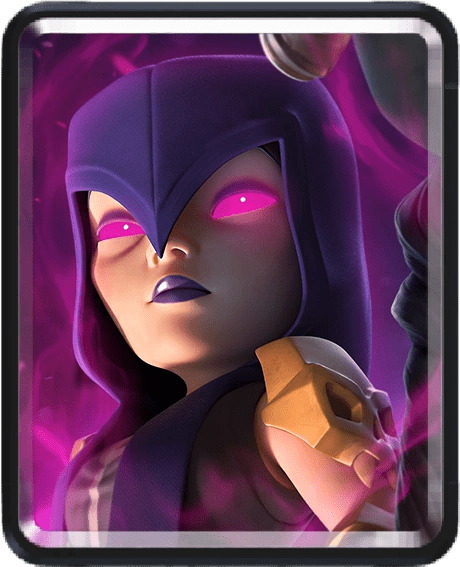
The Witch sits comfortably at the top thanks to her unmatched ability to overwhelm the board with skeletons. As she reaches higher star levels, her spawning rate ramps up fast, creating constant pressure and forcing opponents to fight through layers of expendable units. These skeletons stall abilities, block dashes, and give your backline free time to scale. No other card offers this level of raw, repeatable board control.
Electro Giant
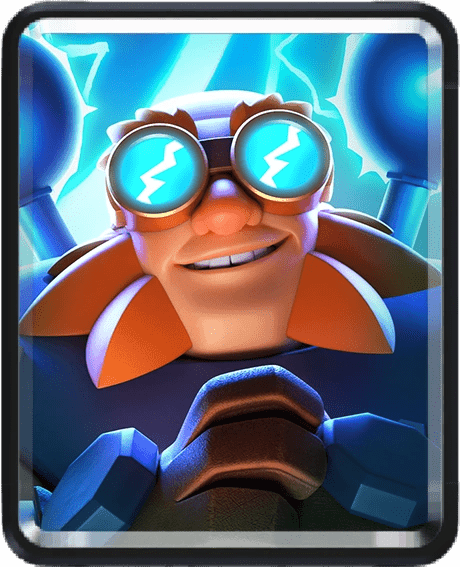
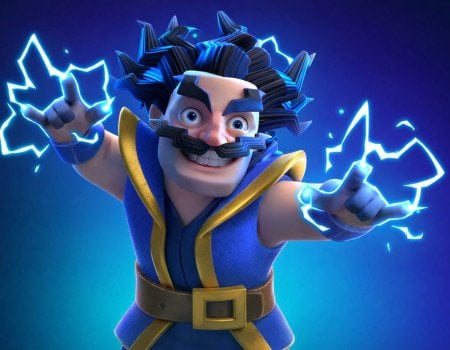
Electro Giant dominates fights with his scaling stun radius. The Superstar trait turns every recast into a huge AoE lockdown, often freezing entire enemy teams in place. Even at low stars, he disrupts board flow, and at higher stars he becomes a full fight controller. This is why he is one of the Merge Tactics best early game cards. Pairing him with Witch or Musketeer often creates rounds where opponents simply cannot act.
Monk

Monk stands out as the most dependable tank in Merge Tactics. His Ace and Superstar combination lets him reflect damage, heal with every recast, and stay alive far longer than most frontliners. In extended fights, he steadily chips down enemies while denying their ability timing. His reliability makes him a core piece of many top-tier comps this season.
Musketeer
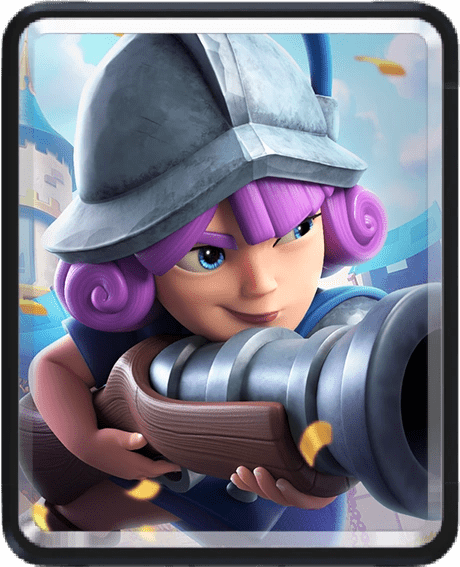
Musketeer earns her place in S-tier through consistent crowd control, making her the Merge Tactics strongest late-game pick. Her knockback and stun effects disrupt enemy setups and buy valuable time for carries to ramp. Superstar synergy accelerates this even further, letting her chain multiple casts in a row. She performs well in almost every comp and remains one of the most dependable utility picks you can draft.
A-Tier
A-tier cards are strong, flexible, and slot neatly into many top-performing comps. They don’t warp the meta the way S-tier units do, but they remain reliable picks that deliver steady value and scale well with proper synergy and positioning.
Archer Queen
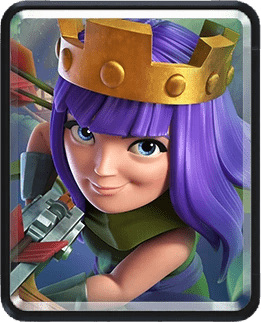
Archer Queen thrives in this season thanks to her reworked Ranger trait. Her attack speed ramps quickly, letting her snipe key targets once the frontline buys enough time. Clan trait healing keeps her alive during early chip damage, and in late rounds she becomes a stable ranged carry. She’s not as overwhelming as Witch or Dart Goblin, but she fits into multiple winning setups.
Princess
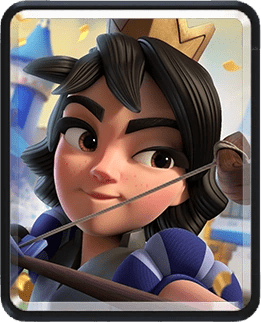
Princess jumped in power after receiving the Blaster trait. The extra range and bonus damage allow her to control large sections of the board and pressure enemy backlines. She’s one of the few units that can reliably punish Witch skeleton floods. With solid splash damage and synergy across several comps, she’s a premium ranged option.
Royal Giant
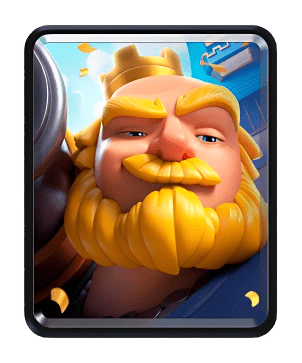
Royal Giant is the standout two-elixir unit of the season. His HP pool is extremely high for a ranged card, allowing him to survive long enough to ramp up the Ranger trait. He pairs naturally with Electro Giant and Dart Goblin Merge Tactics top cards, and his early-game consistency makes him an excellent foundation pick. He scales well and offers rare durability on a backliner.
Wizard
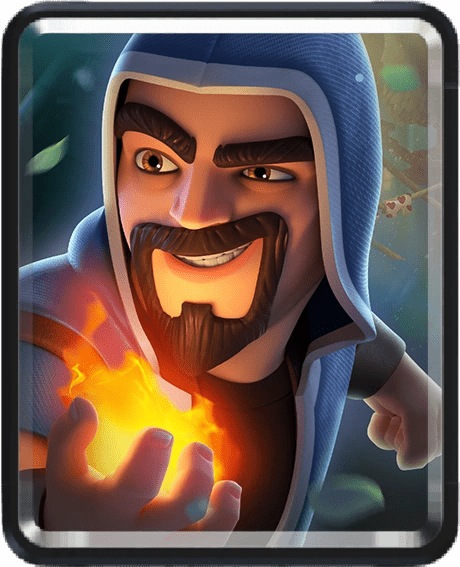
Wizard’s shift from Fire to Blaster dramatically increased his usefulness. With stronger splash damage and better trait synergy, he slots into many comps instead of being tied to Baby Dragon. His AoE is valuable this season due to more buildings and clustered formations, and his ability to contribute both early and late keeps him in the upper tier.
Dart Goblin
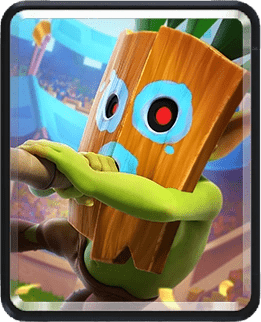
Dart Goblin remains a top-tier ranged carry thanks to Ranger scaling and Goblin trait econ advantages. He ramps fast, hits hard, and is easy to upgrade due to consistent shop appearances. While not quite the monster he was in earlier metas, he still fits into multiple lineups and remains one of the safest damage dealers to invest in.
Executioner
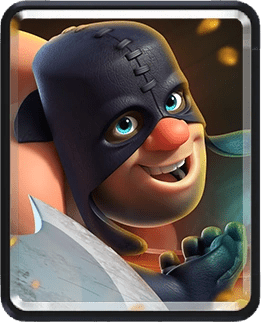
Executioner benefits from great traits (Ace + Blaster) and excellent multi-target pressure. His boomerang-style attack cuts through clustered boards, and he blends seamlessly into Ranger, Ace, or Blaster setups. He’s reliable, offers strong utility, and fits into several of the Merge Tactics best comps without forcing awkward synergies.
Browse our hottest Clash Royale Boosting services





B-Tier
B-tier cards have clear strengths, but they shine only in specific comps or narrow situations. They offer good value when drafted with a plan, yet they lack the universal consistency of higher-tier units.
Spear Goblin
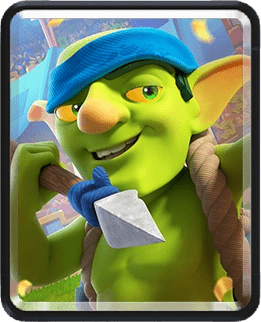
Spear Goblin is one of the best low-cost openers thanks to the Goblin trait and his efficient early-round damage. He gives reliable econ value and smooths out the first few merges of a match. However, he falls off sharply in the late game and rarely contributes meaningfully once scaling begins. Great early, modest later.
Goblin
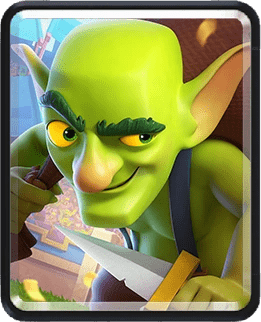
Goblin offers strong early utility due to his high damage per cost and Goblin trait synergy. He generates free copies, fuels merges, and helps secure early wins. His Assassin trait becomes less impactful in this season because of bulkier frontlines and increased stun saturation, which limits his late-game relevance. Still excellent for economy-focused starts.
Valkyrie
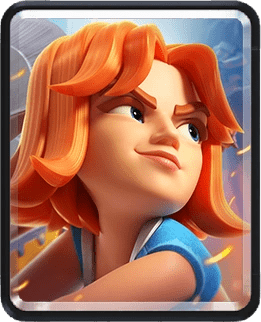
Valkyrie remains a stable and dependable frontliner. Clan provides healing, and her circular splash helps control melee skirmishes and punish clustered boards. She dropped slightly because Brutalist replaced Juggernaut, making her less universally plug-and-play. Even so, she’s a strong frontline option in Clan setups or comps needing wide splash.
Skeleton Dragons
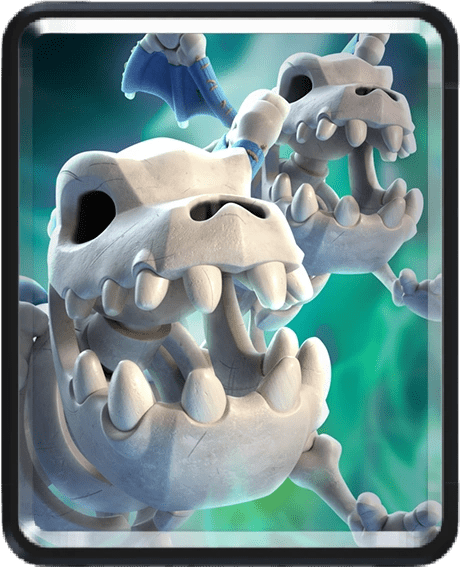
Skeleton Dragons rose this season thanks to Superstar synergy and the Witch-driven meta. With enough stall from Monk, Electro Giant, or Musketeer, they now have time to duplicate consistently. Once they start replicating, the board fills fast, and they generate serious pressure. They’re still slow to scale, but in the right comp they can snowball hard.
C-Tier
C-tier cards sit in an awkward spot this season. They have moments where they contribute solid value, but their traits or ability scaling limit how often they fit into strong comps. They are playable, yet rarely optimal.
Skeleton King
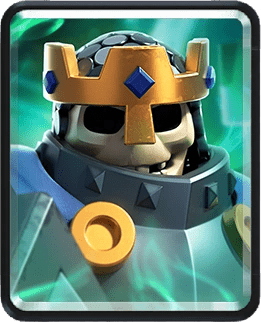
Skeleton King struggles due to the decline of Undead and the removal of Juggernaut, which once made him a universal frontline option. Brutalist offers far less value, and the current meta’s constant skeleton and building spam reduces the impact of his passive HP drain. He remains tanky and can carry in niche setups, but he’s no longer a reliable anchor.
P.E.K.K.A.
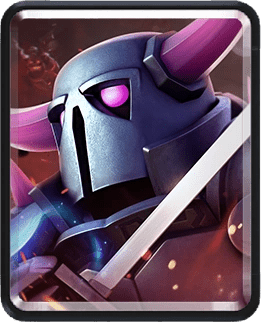
P.E.K.K.A. hits hard and still performs well in early rounds, yet loses ground as fights extend. The new P.E.K.K.A trait is weaker late-game compared to the old Ace synergy, and Brutalist doesn’t fully complement her role. She remains a decent brawler, but she lacks the scaling and synergy flexibility needed to keep up with top-tier frontliners.
Goblin Machine
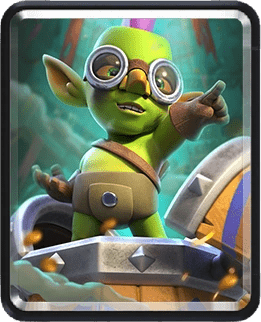
Goblin Machine fell dramatically after losing his stun effect and swapping Juggernaut for Brutalist. His rockets now deal damage without locking enemies down, and the reduced synergy makes him less consistent in longer rounds. His main remaining value comes from the Goblin trait and early-game econ setups. Outside of those, he’s a risky draft.
Golden Knight

Golden Knight still has high explosive potential, but that potential no longer triggers consistently. Superstar comps, Witch skeleton spam, and larger boards disrupt his chain dashes. Since he relies on getting the first kill to snowball, these interruptions stop his momentum almost instantly. He’s playable in backline-punish drafts, but far from reliable. BLOG20
D-Tier
D-tier cards struggle heavily in the current season. They either have traits that no longer fit the meta or abilities that fail to provide meaningful value against today’s stronger frontline and stun-heavy setups. These units can work in very specific drafts, but they are rarely worth prioritizing.
Bandit
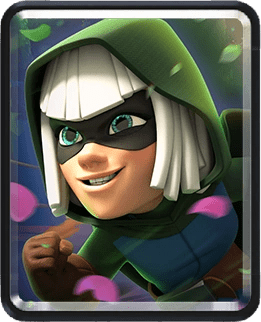
Bandit has solid traits on paper, yet her ability holds her back. Her dash charges slowly, deals modest damage, and often ends prematurely due to constant skeleton spawns or stun effects. She becomes more usable at high star levels, but her inconsistency and low impact leave her far behind other Assassin or Ace options.
Prince
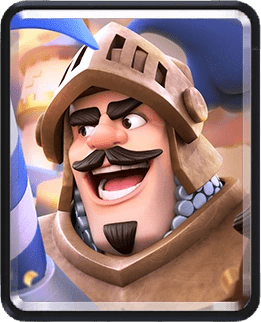
Prince offers a strong opening joust but quickly loses relevance afterward. His stun is less effective this season because Superstar units often resist or out-scale it, and Witch skeletons interfere with his target selection. He performs acceptably in specific matchups but lacks the sustained value needed for competitive late-game rounds.
Mega Knight
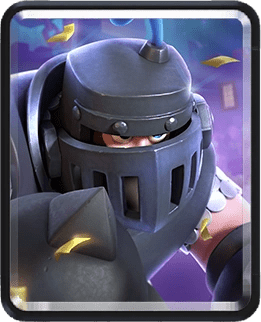
Mega Knight’s stun once defined him, but constant Superstar interrupts and the presence of Witch skeleton floods blunt his impact. His Ace trait is still decent, and he can stall effectively when shields are down, but he has been overshadowed by better crowd controllers. He works only in comps that desperately need a secondary stunner.
Barbarian
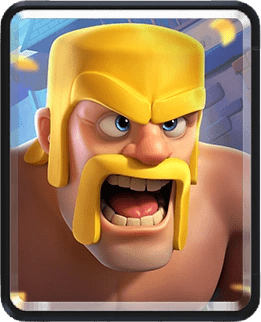
Barbarian has respectable traits, especially in full Clan setups, but his raw stats lag behind those of other frontliners. He performs well during the first few rounds when healing and high hit speed matter most, yet he contributes little as fights grow more chaotic. Outside of strict Clan-focused builds, he struggles to keep up.
Mini P.E.K.K.A.
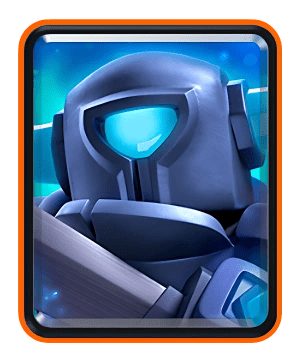
Mini P.E.K.K.A. hits decently early but falls off very fast. The P.E.K.K.A trait offers shallow scaling, and his Brutalist synergy does little to extend his lifespan in mid- or late-game brawls. His stats simply don’t keep pace with other frontline or assassin-style units. He functions only as an early stopgap.
Royal Ghost
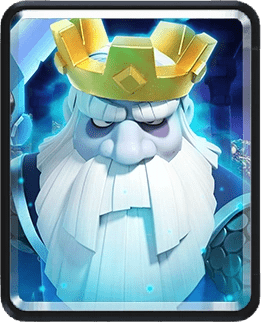
Royal Ghost is the weakest unit this season. His invisibility provides minimal value against the sheer number of skeletons, buildings, and stun effects present in the current meta. His traits underperform, and his damage is too low to justify his cost. Even in comps where Undead once excelled, he now offers almost no meaningful payoff.
Conclusion
Merge Tactics continues to evolve, and each balance shift pushes the meta in a new direction. This season favors units that can stall, overwhelm, or control the battlefield through Superstar scaling and constant pressure. Cards like Witch, Electro Giant, Monk, and Musketeer define the strongest builds because they consistently create winning board states even with average merges or shop luck. Mid-tier cards still have value when drafted with a clear synergy in mind, while lower-tier cards require very specific setups to succeed. As the mode continues to change, staying aware of which traits and abilities shape the top lineups will help you draft smarter and climb faster.
F.A.Q.
What are the best cards in Merge Tactics right now?
Witch, Electro Giant, Monk, and Musketeer are the strongest cards this season thanks to their scaling potential, control effects, and synergy with Superstar-heavy builds.
What is the strongest comp in Merge Tactics?
The strongest comps revolve around Superstar units supported by Witch or Musketeer, with Electro Giant or Monk anchoring the frontline. These setups dominate long rounds and keep enemies locked down.
Which units scale the best in Merge Tactics?
Witch, Electro Giant, Dart Goblin, Princess, and Archer Queen scale extremely well. Their abilities or traits grow stronger as fights extend, giving them huge late-game impact.
What is the current Merge Tactics meta?
The meta is defined by Superstar synergy, Witch skeleton pressure, and heavy control from Electro Giant and Musketeer. Ranged carries with Ranger or Blaster also thrive in this environment.