 Rick Flair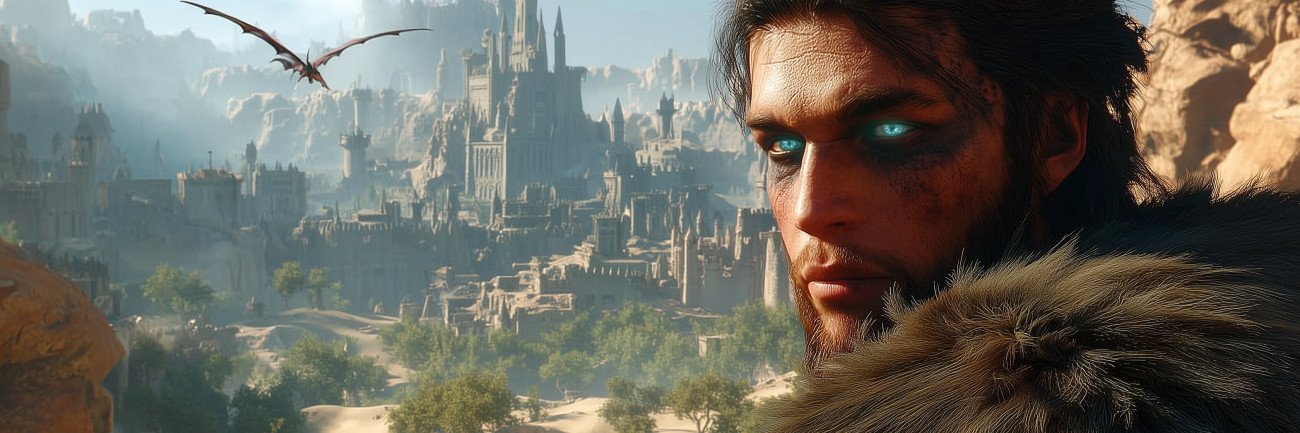
Crimson Desert Beginner’s Guide Quick Summary:
- Open-world exploration is the main way to upgrade your character through various activities and rewards.
- Upgrade your Greymane Camp as soon as it becomes available, as it has lots of unique and useful items.
- The best 3 skills to learn early are: Nature’s Echo, Quick Swap, and Blinding Flash.
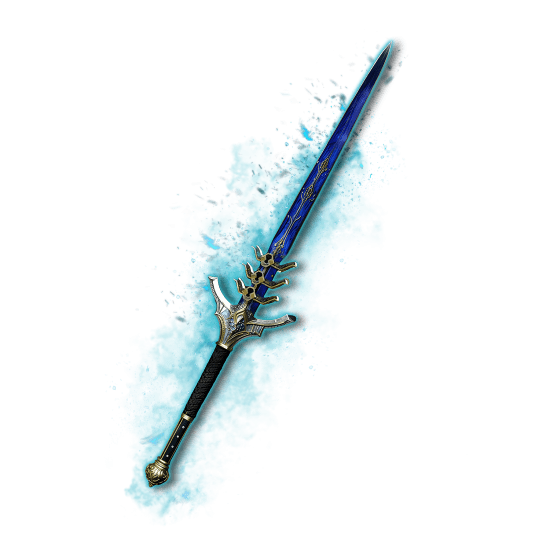
- The best weapons for the early game are Tauria’s Curved Sword and Sword of the Lord, which can be looted from Crowcaller and Kailok bosses, respectively.
- Buy a pickaxe and an axe asap as they allow you to farm ore and wood, which are needed for gear upgrades.
Wanna skip the boring plotline and get straight to the endgame and experience the open world with high-end gear? Try our Crimson Desert Main Story Completion Boost.


Read closely 
Browse our hottest Crimson Desert Boosting services





Crimson Desert Gameplay Features Explained
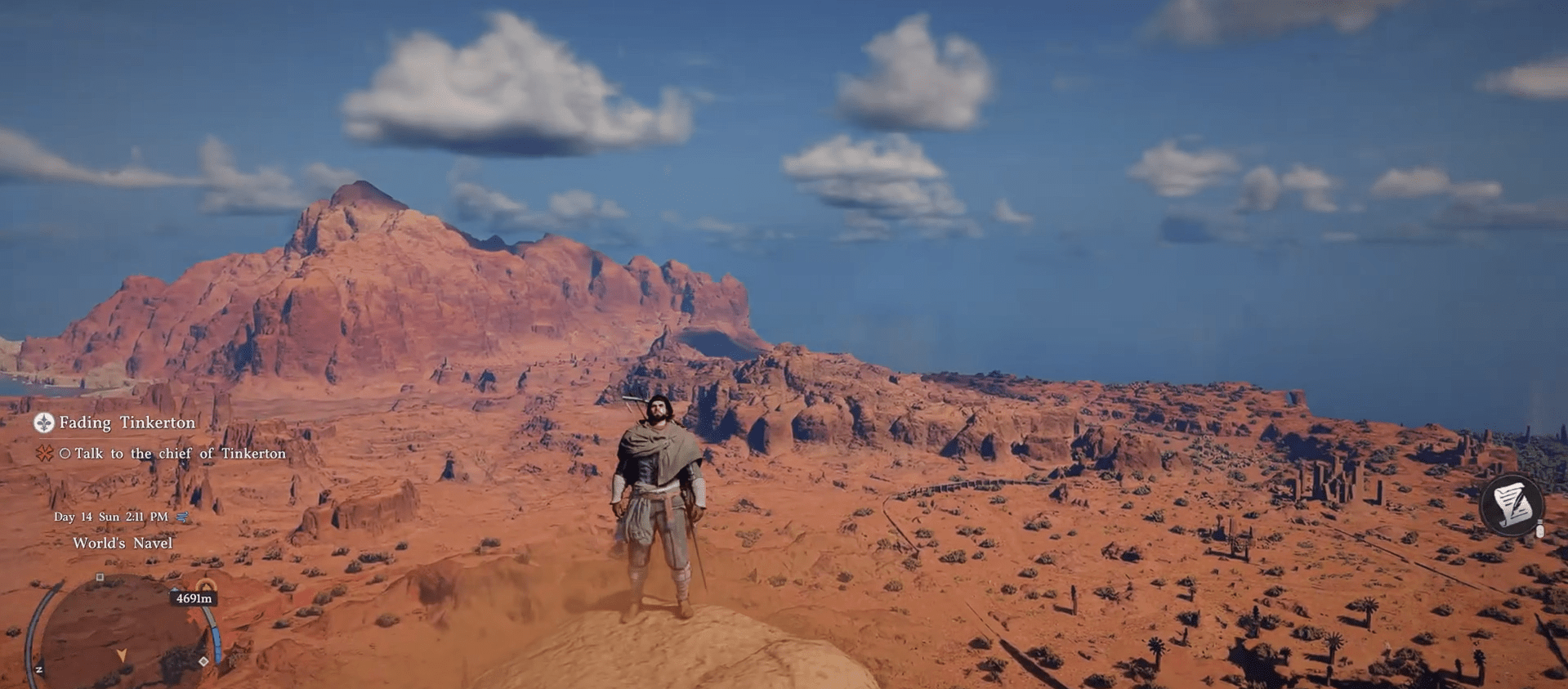
Crimson Desert is an open-world character action game built around exploration and mastering combat. It’s like a child of Devil May Cry and Breath of the Wild. The game was initially developed as a spin-off of Black Desert Online, an MMORPG, but eventually redesigned into a massive single-player adventure. It’s not an RPG, or at least the developers do not market it as such. Nonetheless, it’s full of various gameplay mechanics (sometimes even too full) and ways to self-express through them. Here are only a few mechanics available in this game:
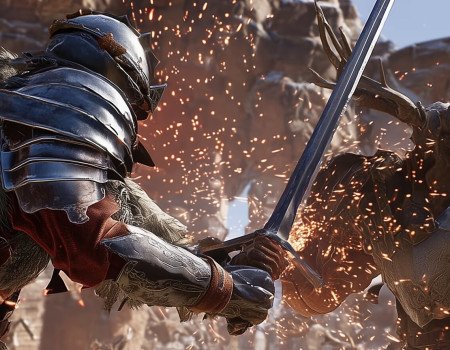
- Complex Combo System: Combat here is more reminiscent of a fighting game, with grapples, parries, dodges, hand-to-hand combat, and of course, weapons. The inputs can get really difficult.
- Upgrade System: You upgrade your character through exploration. You don’t get XP, but you get Abyssal Artifacts and enemy parts that you can then use to increase your HP and Stamina, turn into new skills, weapons, and armor.
- Abyss Overworld: Quite literally an overworld, where you solve various puzzles and partake in mini-games that give you different rewards, kinda like Tears of the Kingdom.
- Professions: Or something like that. You can cook, fish, skin animals, hunt, mine, become a woodcutter, and so on. Each mechanic isn’t there just for variety, but actually does something in the game. For instance, cooking buffs you up, which is really helpful before the boss fights.
- Mounts: You can ride a dragon and some kind of mech, as was shown in the trailer. There might be more mounts that I haven’t encountered yet. They not only help in faster traversal over the massive Pywel map, but you can fight with them, too.
In this beginner’s guide for Crimson Desert, I’ll try to explain all known systems without delving too deep into them, as in-game tutorials can be too overcomplicated when explaining plain stuff.
What to Do in Open World in Crimson Desert
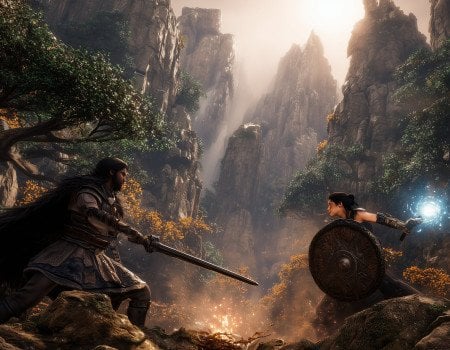
Let’s start with the main draw of this game. The open world of Pywel. It’s enormous and filled with tons and tons of side content. It’s one of the most stacked open worlds there is, and one thing that makes it feel even bigger is the draw distance, which allows you to see various points of interest from far away. So what can you do there? Take a look at the list of open-world activities in Crimson Desert:
- Side Quests: I’d say that the main quest is pretty underwhelming. The story isn’t gripping, the characters are bland, but the real heart and soul are in the side quests, which are often better than the main plot. It honestly feels like the game’s plot is there just because it needs to be.
- Abyss Puzzles: One of the main progression systems in the game is the Abyss floating islands. You learn new mechanics, new moves that aren’t available in the skill tree, and so on.
- Do Crime: While I wouldn’t call the crime system anywhere on the level of Kingdom Come II, you can steal things from people, pickpocket them, steal their carriages and animals, and then sell them. Doing a crime in the city makes you a criminal there, and you can’t return for some time.
- Finding Curiosities: One thing that most open-world games don’t understand is that not every place you find on the map has to be some sort of attraction that has a reward for the player. Sometimes, discovering a fun place is a reward in itself. I, for instance, found a travelling circus with no quests tied to it, and it was honestly more thrilling than if it were another puzzle or battle.
- Live: You can hunt, cook, fish, mine, and run your own Greymane base in this game. You get different rewards that improve your character in various ways.
Explore. Explore a lot. I’m not exaggerating when I say that this game has one of the best open world exploration in all games. It’s on par with Dragon’s Dogma 2 and Red Dead Redemption 2. You get lost and find new interesting places all the time. It kind of reminds me of Elden Ring in a way, cause you can find some tucked-away corner that doesn’t seem like much and then find a whole city hidden away. I also do not recommend rushing through the main plot. Take your time with the living, breathing world the devs built.
Crimson Desert Combat Guide
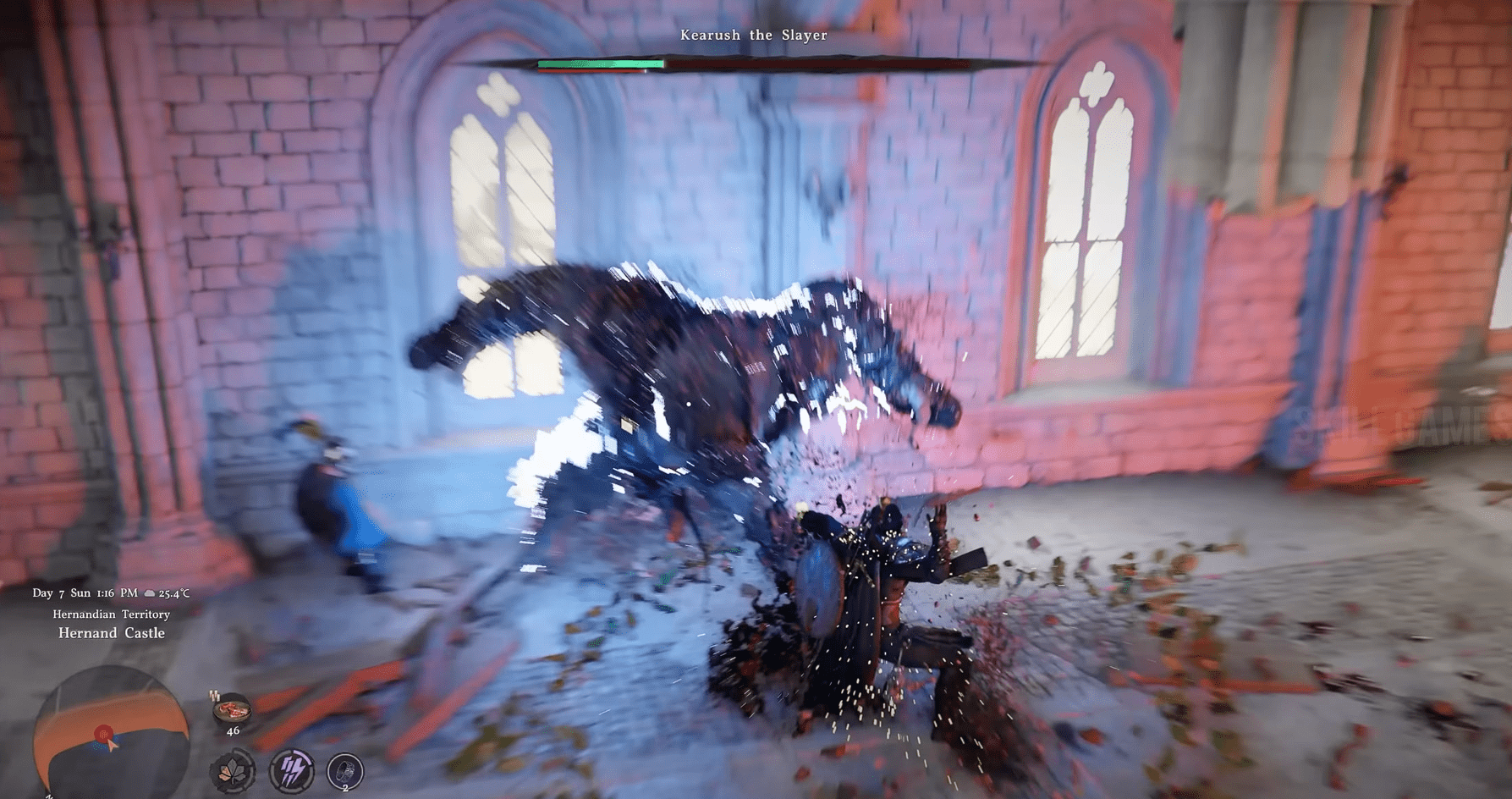
Another part of the game that makes it appealing is its in-depth combat system. It certainly has a learning curve to it, especially if you play on a normal controller without extra buttons. It can be a bit clunky in the beginning, but it gets increasingly better the more you upgrade it. Below are the first upgrades you want to pursue to make combat better:
- Nature’s Echo: Summons phantom clones that mimic your attack. Basically, a double strike, increasing your DPS. The requirements are Keen Senses Lv. 3, Forward Slash Lv. 3, and Abyss Artifact x1.
- Quick Swap: This ability lets you switch between your weapons on the fly, serving as a combo reset that allows you to strike continuously. Requires Armed Combat Lv. 5.
- Blinding Flash: No prerequisites. This skill is incredibly important for open-world exploration. When you use it, it highlights points of interest around you.
You can unlock them in any way you like, but they’ll significantly improve your fights, as this game can be pretty unforgiving. There’s no level system, so you can go wherever you want, but some enemies will wipe the floor with your corpse if you don’t come prepared.
Though generally, skills and moves are unlocked in the skill tree for Abyss Artifacts, you can also learn them through what’s known as Observation. It’s a mechanic that allows you to look at an enemy perform a move, and Kliff learns how to do it himself. You can learn it almost anywhere. In combat, during puzzles, and during exploration. You can learn unique moves from the bosses as well. Speaking of bosses. There are four boss types, according to the devs:
- Human
- Beast
- Steel
- Sorcery
Not sure about Steel and Sorcery, but humans are your classic duel encounters, and beasts are various monsters that you can climb. I’m not sure if I haven’t seen the latter two types of bosses, or if the difference is in the skills they use only. In a separate article, we’ll talk about bosses some more, but for now, one important thing to know is that boss fights in Crimson Desert are designed so that you’re certain to take damage from them. It’s almost impossible to dodge everything they throw at you, partially cause the game is a bit jank, partially cause you might lack certain skills to do that. Preparation for the boss fight is as important as memorising their moveset.
The most important thing you have to understand about Crimson Desert’s combat is that you need to learn to tie combo strings together. For Kliff, you don’t stand around waiting for your enemies to attack you and reacting to that. You’re forcing the fight. You need to understand which weapons pair well with each other's movesets and use that to win, or the second half of the game will become unbearable. Some of the best weapon combinations are:
- Greatsword + Sword
- Spear + Axe
- Hammer + Axe
- Rapier + Dual Swords
- Sword + Shield/Mace + Shield
Generally, you want to combine hard-hitting options with more nimble ones that stagger the opponents. You can also go into the fast-moving or heavy-hitting direction, if you prefer that.
Browse our hottest Crimson Desert Boosting services





Crimson Desert Playable Characters
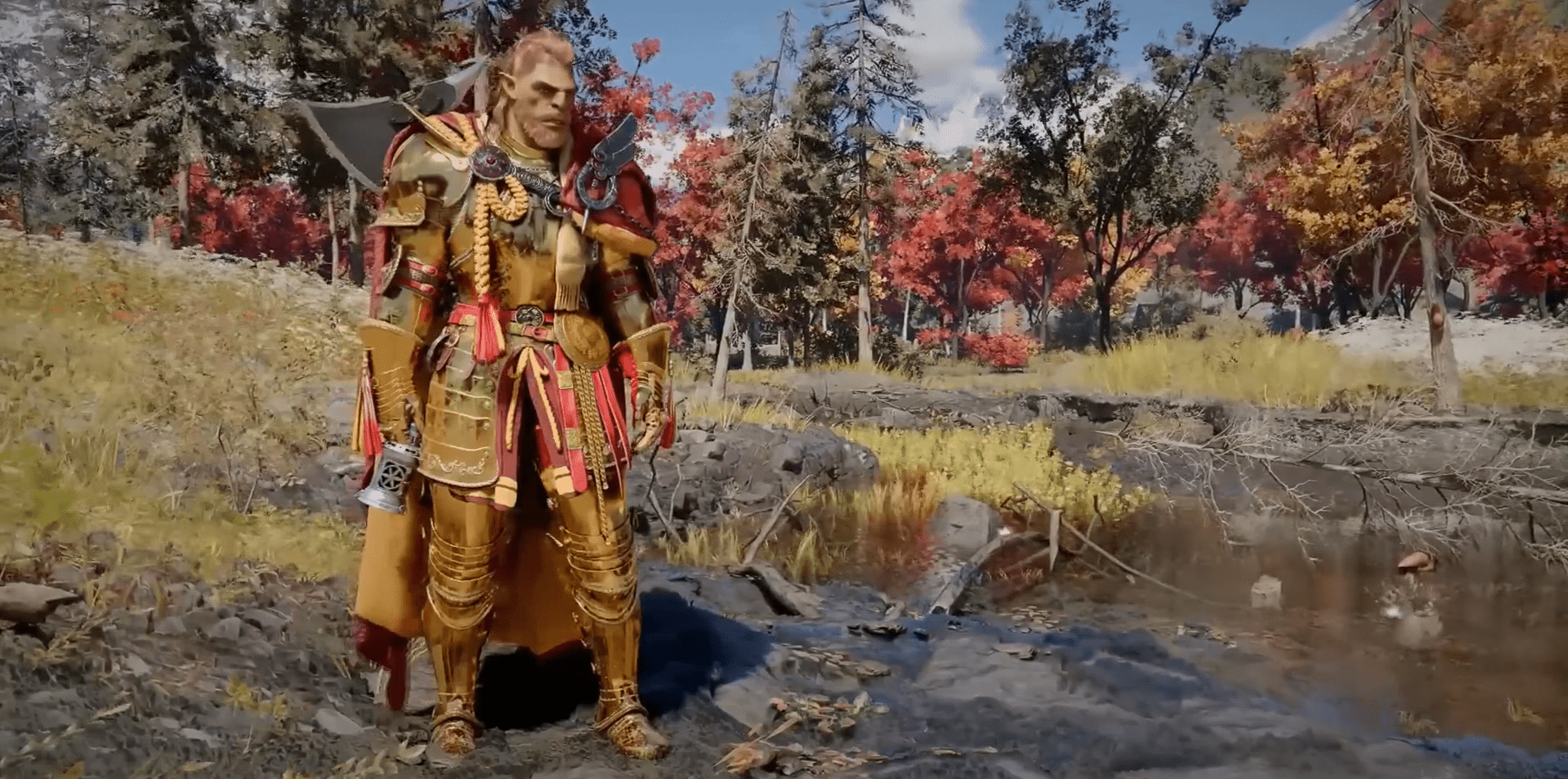
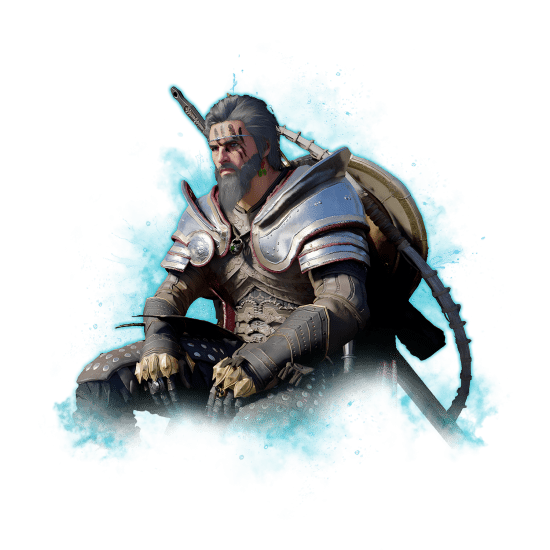
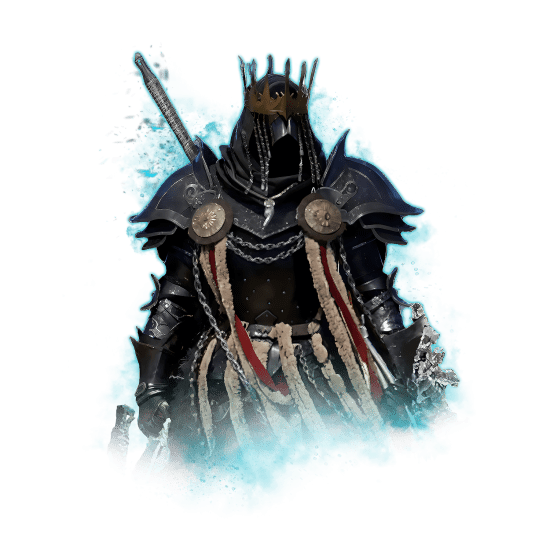
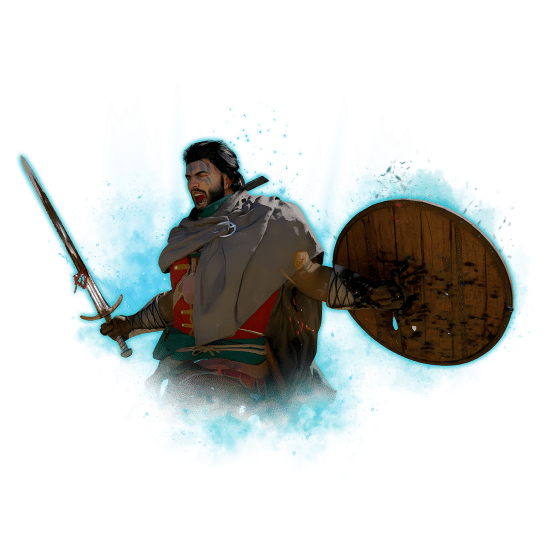
Kliff is not the only character you’ll be playing as. Though he’s the protagonist, in certain moments in the game, you’ll switch to the other two characters. They have their own skill trees, adding another layer of complexity. Below are all playable characters in Crimson Desert:
|
Character |
Playstyle |
|
Kliff |
Your standard warrior with multiple ways to approach combat. |
|
Oongka |
Heavy strikes, slow, brutish, with a larger HP pool. Axe and Hand Cannon are preferred weapons. |
|
Damiane |
Nimble and fast, it has a riposte mechanic. Mobility is what makes her strong. Rapier, small shield, flintlock pistol, and rifle are her main tools. |
Don’t think that it’s gonna be like GTA 5, where you can freely switch between the characters at all times. It’s a limited option that serves to fill in the missing plot elements that Kliff couldn’t know of, as both Oongka and Damiane are part of Greymanes. These two characters have their own plotlines and quests that you will go through when playing as them. Note! One of the earliest beginner mistakes to avoid is investing Abyss Artifacts into any characters other than Kliff. You shouldn't do that, as it will slow your progression drastically. Believe me, as I'm talking from first-hand experience.


You got -20% OFF 
Crimson Desert Early Game Tips & Tricks
As Crimson Desert has many little details and mechanics that the game doesn’t outright tell you, I’m gonna drop some wisdom that I’ve learnt from playing it. If you want to learn how to be more efficient, you’re good to go, but be mindful that it can strip you of that discovery experience, which I’d say is one of the main draws of the game. Anyways, below are tips & tricks for Crimson Desert:
- Complete Act 4: The initial 4 acts serve as a tutorial of sorts, where you're taught how the game works. I strongly recommend doing that before going full exploration mode.
- Cook Food: Food is the main healing resource, so try to have as much of it as possible. You can heal during combat with a little cooldown between the uses.
- Buy Palmar Pills: Vital item for the early game that lets you revive with 30% HP.
- Hunt Bosses: Bosses are really hard early on, but killing even one of them grants you a unique skill or a weapon. Their weapons give you huge powerspikes, especially early on, until you start finding great weapons regularly.
- Don’t Ignore Resources: Buy a pickaxe and a logging axe as soon as possible in Hernand. Ore and wood are needed for weapon and armor upgrades.
- Unlock Fast Travel: To unlock fast travel, you need to complete Act 4 and go to Karin Quarry. It unlocks the Greymane Camp fast travel, which is essential, since you'll be coming back here quite often.
- Upgrade Gear: Unlike many games where you don’t want to spend resources on upgrades, here it’s mandatory. Remember, you don’t get stat upgrades as there are no level-ups, so your gear is what grants them.
- Slot in Abyss Cores: It's like gems or jewels in other games. They make you much more powerful, increasing your attack and defense stats, and shouldn't be ignored.
- Upgrade Inventory: Get bags by doing the Greymane camp quests and buying them from merchants. You get lots of various loot that you can find useful in the most unexpected moments. Not to say that when you switch characters, you carry their loot in your inventory.
- Farm Money: Flowers and ore sell for a good price. If you’re willing to be a criminal, you can steal and sell animals, too.
- Get Your Own Pet: If you reach 100 trust with an animal, it can become your companion that loots enemies you defeat. To do that, pet or play with the same animal you find, and eventually you’ll reach 100 trust. You can speed up this process by sleeping, as you only get 25 trust per day.
- Look for Bells: The bells are the local Sheikah Towers. There are just 8 of them on the map, and unlike Sheikah Towers, you can’t spot them from afar. Ringing one of them removes the fog from the part of the map where you did that.
Most important tip: Return to Greymane Camp often! You’ll find lots of faction questlines and crazy good rewards for improving your camp and doing what people ask you to do there. These tips are not be-all end-all, but they’ll give you a better idea of what’s to expect, as the beginning of the game is a bit rough cause they just throw you into the open world. But anyway, see you in future articles.
F.A.Q
What should you do first in Crimson Desert as a beginner?
Complete the first important intro missions, then go into the open world and search for Abyss Artifacts to upgrade your skills. Then find Tauria’s Curved Sword from the Crowcaller boss or Sword of the Lord from the Kailok boss.
Are there levels in Crimson Desert?
No, Crimson Desert isn’t an RPG, or at least not a classic one. Your progression is tied to your gear and skills.
How does combat work in Crimson Desert?
Crimson Desert boasts a complex combat system relying on combo strings, similar to fighting games.
What are the best early weapons in Crimson Desert?
The best early game weapons are Tauria’s Curved Sword and Sword of the Lord.
How important is gear in Crimson Desert?
This is your main way of progressing and becoming stronger, as stat upgrades are absent in this game. You upgrade your gear and slot in Abyss Cores in it to boost your offense and defense, so gearing up properly is very important.
Are there difficulty settings in Crimson Desert?
No, what you see is what you get. There’s no difficulty setting. You can make encounters easier or harder by either overgearing or undergearing for fights.
What are common beginner mistakes to avoid in Crimson Desert?
Not exploring the world enough, pushing the main plot, and ignoring gear upgrades. This might result in you getting to bosses that feel unfair and difficult, but that’s purely because you didn’t prepare enough.