 Dallon Avery
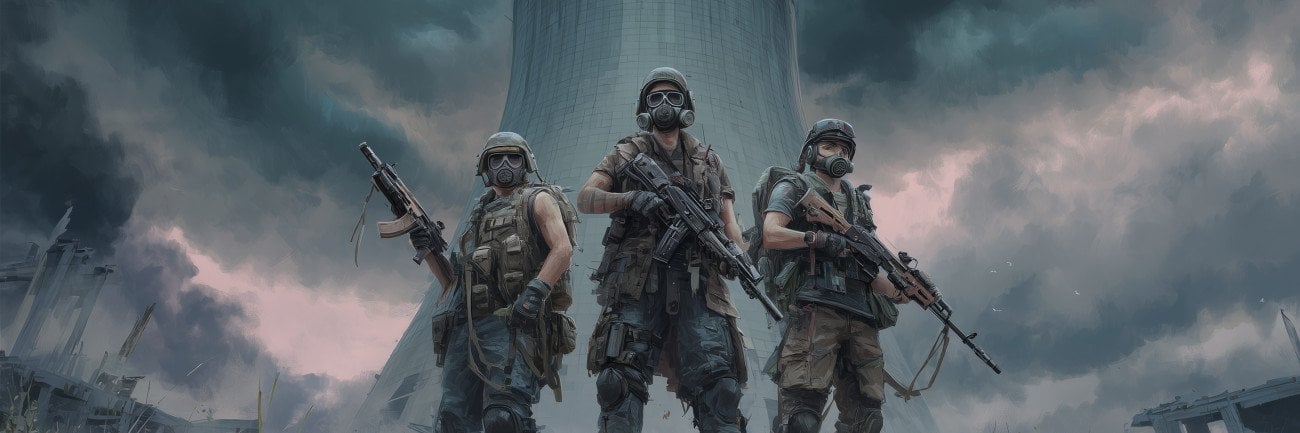
Welcome to PIONER beginner’s guide where you’ll learn about how the game works and get introduced to core systems like PvE and PvP, crafting, progression, the loot system and more. PIONER is an online survival shooter set in a postapocalyptic world filled with anomalies, warring factions and secrets to uncover. Many call it a mix between stalker and Escape from Tarkov with the atmosphere inspired by Fallout and Atomic Heart. It’s a pretty ambitious game, that actually turns out to be pretty fun to play.
By the way, if you'd like to see the endgame side of the map and get there as soon as possible, check out PIONER Powerleveling service at Skycoach. Let our professional gamers level up your character so you can enjoy everything the game has to offer without any restrictions.
Note: At Skycoach, you can Buy PIONER Boost at the best prices with fast delivery. Use our special PROMO CODE (in green) hidden in this article for a 20% DISCOUNT.



What Is PIONER
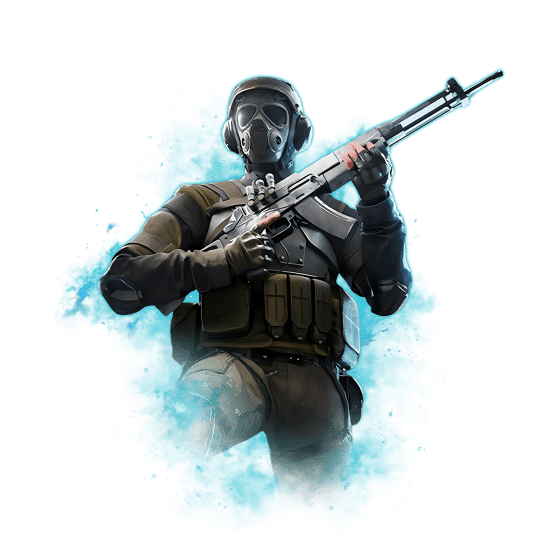
To kick off our PIONER starter guide, let’s talk about what this game actually is. This game is an open-world survival slash looter shooter with crafting mechanics. It’s kind of like Fallout 76, but set in a unique universe and actually has a meaningful storyline. You’ll be running around large open locations completing quests, finding loot, crafting stuff, etc. There are big and small locations, kind of like in Stalker, but everything is online, and you will meet other players who do the same things as you.
Who are you in this game? You’re some random dude with amnesia who apparently was part of a caravan that “accidentally” got caught in an anomaly that killed everyone but you. Since you’re the only survivor, that makes you a local chosen one. The island called Tartarus is a place where the Soviets conducted all kinds of experiments that apparently led to a catastrophe, but the locals are still living here. It’s a very familiar setup that works, no more, no less.
From the game’s perspective, you have yourself a semi-open world game with bigger locations designed for questing, exploring, and lootin,g and special locations that could include, but are not limited to:
- Social hubs
- Instanced dungeons or raids
- PvP zones
- Story-related locations
More on how the map of Tartarus works, we’ll talk about in the next section.
After you’ve created your character and finished the single-player PIONER tutorial slash prologue, you’ll end up in the hub area, where you will have access to vendors, quests, and everything else.
The game does have some light survival mechanics like hunger and stamina management, but you’ll always be able to find enough supplies to never know the effects of going hungry.
The World of Tartarus
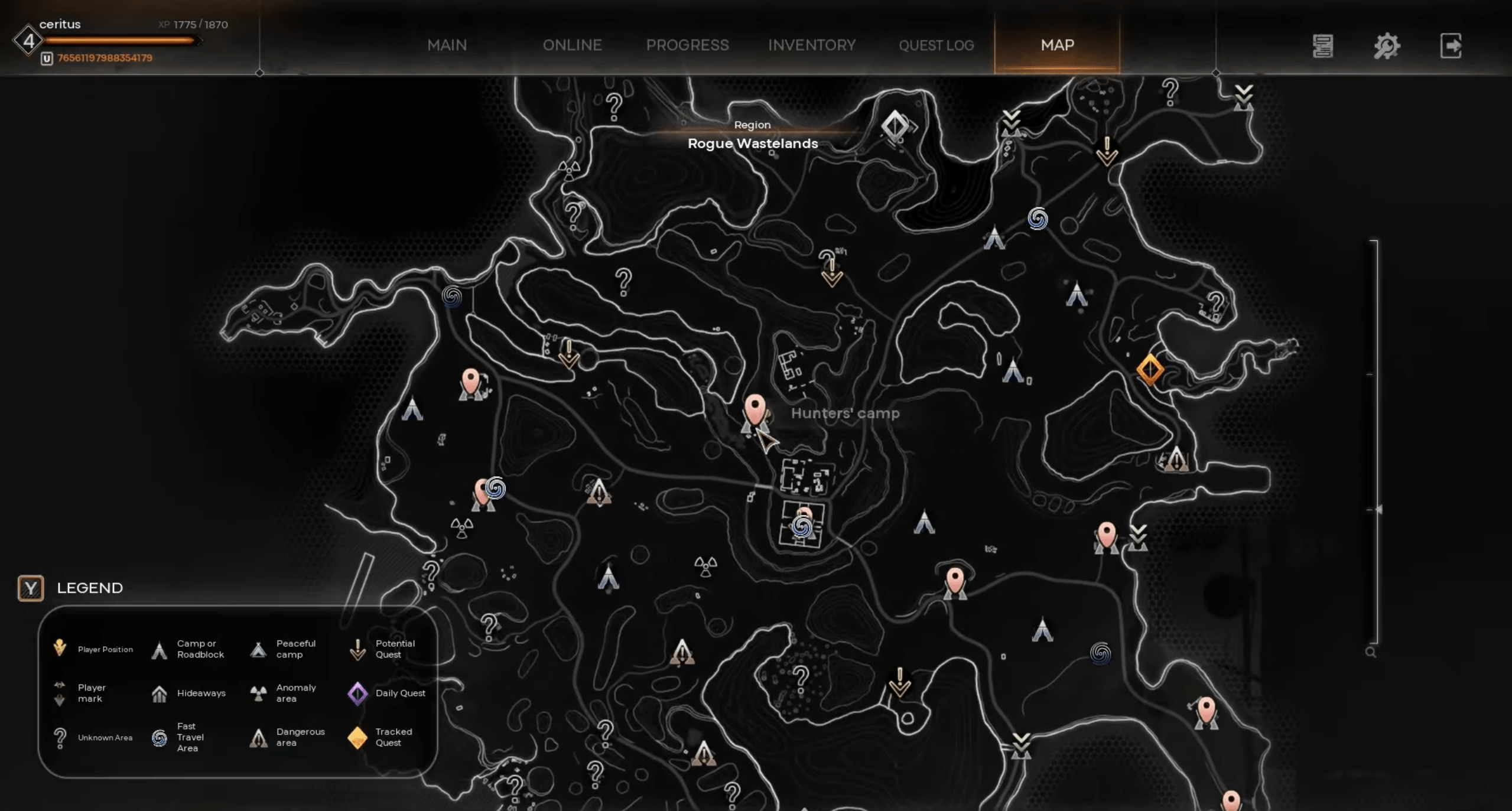
Being the PIONER new player guide that there is, the next thing to do is look at the map that shows you exactly what kind of content the game has to offer.
Tartarus, which is how the world is called, is a large open island divided into several major regions, each with different levels of danger, activities, and progression focus. The map blends safer exploration zones, hostile PvE areas, and dedicated PvP regions, allowing you to choose how much risk you want to take as you move across the world. BLOG20
When you open the in-game map, you’ll see exactly how the locations wor,k and you’ll also find the list of markers on the map that will tell you exactly what kind of content you can find out there:
- Camp or Roadblock: Locations where you can find shelter, traders, or certain objectives; also sometimes used as barriers or areas of strategic importance.
- Peaceful Camp: Safe zones where you can rest, resupply, and interact with NPCs or other players without being attacked.
- Hideaways: Hidden locations or shelters, typically offering rewards or secrets but not marked on the main map.
- Anomaly Area: Zones that are affected by anomalies. These are dangerous, often containing environmental hazards or mutated creatures.
- Dangerous Area: High-risk areas filled with stronger enemies, more anomalies, and possibly PvP zones. Exploration here requires caution and preparation.
- Fast Travel Area: Points where you can fast travel between discovered locations, reducing the travel time across Tartarus.
- Tracked Quest: Quest-related objectives that can be tracked on the map, showing where to go or what to complete next.
Generally speaking, the global map is divided into two types of locations, so you’ll always know if you’re entering a PvP zone.
- PvE (Left Side): The left half of Tartarus is safer, as it doesn’t have any PvP. It’s also considered the “beginner’s island” where you don’t really stand to lose anything on death.
- PvP (Right Side): The right side of the map is considered endgame and includes PvP zones, tougher AI enemies, and other dangers. It’s also the source of the best loot in the game.
Regions like the Midlands are some of the largest locations in the game, containing vast areas for you to explore. The city of Tsemnegorsk, in the south of the Midlands, is just one example of a large, complex settlement that looks like an endgame location.
Core Gameplay Loop
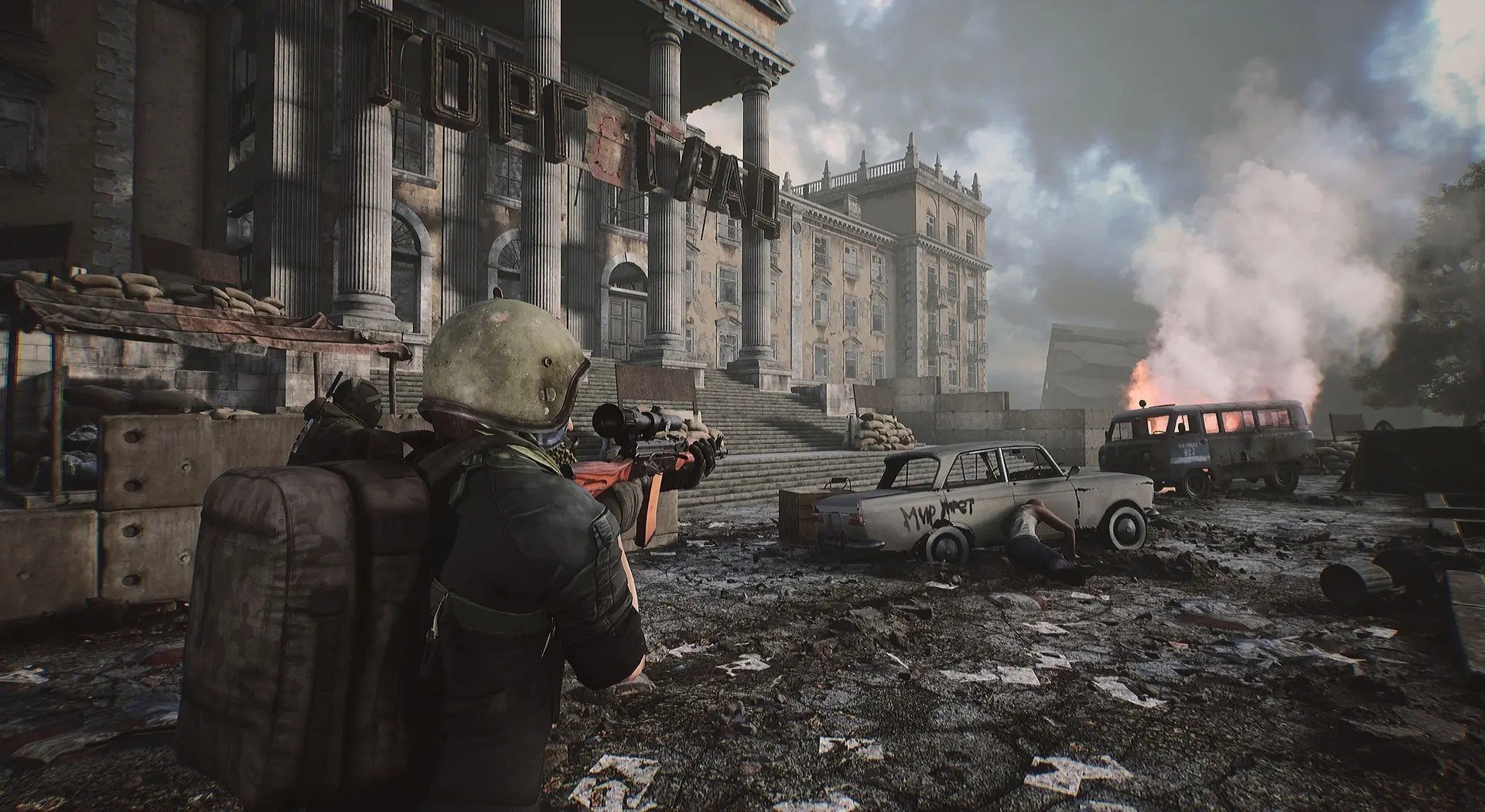
At this point of reading this PIONER complete guide, you might be asking yourself - so what is it that I’ll be doing in the game? Do I just do the quests, do I need to craft something? Is this like Arc Raiders? Let’s take a look at the core gameplay loop of PIONER.
The loop usually starts with exploration. You get to walk around the big open map, discovering zones, activities, enemy camps, and everything else you can expect from this type of game. Along the way, you may encounter dynamic challenges like the jumping puzzles that reward you with a loot chest in the end.
Between expeditions, you return to settlements, camps, or outposts to prepare. This includes repairing equipment, crafting items, upgrading gear, restocking supplies, and managing inventory. Once prepared, the loop starts again as you head back into the world.
PvE Content and Activities

PvP has been mentioned a couple of times already, and since you already know how to start PIONER, let’s get something out of the way right now - most of the game is PvE-focused.
PvE activities in PIONER are spread across the open world and clearly communicated through the in-game map. Rather than relying on menus, most PvE content is discovered by moving through regions and interacting with map icons, locations, and environmental cues.
The main story begins in the tutorial and walks you through the entire game. Some of the quests are pretty grindy, but there are no definite progression blocks like in some other similar games.
Side Quests and Discoverable Activities
In addition to story quests, the map features multiple icons that represent optional PvE activities. Some of these are visible immediately, while others only appear when you approach certain areas.
Common side activity markers include:
- Standard quest icons tied to NPCs or locations
- Question mark icons that represent undiscovered objectives
- Activities that only reveal themselves through exploration
These activities often lead to combat encounters, exploration tasks, or interaction-based objectives such as investigating locations or activating devices.
Daily and Repeatable PvE Tasks
The map also includes markers for repeatable PvE content. These activities are designed to be completed regularly and provide consistent rewards.
Repeatable PvE activities include:
- Daily quests marked directly on the map
- Ongoing tasks tied to specific regions or settlements
- Objectives that reset over time
These activities encourage you to revisit familiar areas while continuing to earn resources, experience, and gear upgrades.
Open-World Combat Encounters
PvE combat is a constant presence while traveling across the map. Hostile camps, roaming enemies, and faction-controlled areas appear as points of interest that can be cleared or engaged.
Open-world PvE encounters include:
- Clearing bandit or hostile faction camps
- Fighting mutants and anomaly-created creatures
- Engaging elite enemies encountered during exploration
- Some encounters attract nearby you naturally, even outside formal groups.
Instanced Locations and Interior Missions
Some quests and activities lead into instanced locations such as caves, bunkers, or interior facilities. These areas are separated from the open world and are typically used for story missions, special objectives, or controlled PvE encounters. Instanced content can usually be completed solo or with a group.
The map can also feature high-threat PvE enemies (especially the right side, that’s considered to be the endgame area), including bosses that appear in specific areas. These enemies are visually marked and are intended to be tackled with preparation or cooperation. Defeating them rewards higher-tier loot and progression materials.
PvE content in PIONER is designed to be layered. you can follow the main story, complete visible quests, hunt down question-mark activities, repeat daily objectives, or simply explore until new PvE opportunities reveal themselves on the map.
PvP Content and Risk Zones

PvP in PIONER is fully integrated into the world and tied directly to risk, rewards, and map structure. While PvP is optional for story progression, you who seek higher rewards and endgame challenges will naturally encounter PvP-focused areas.
PvP is not enabled everywhere. The island of Tartarus is divided by risk level:
- The left side of the island is primarily PvE-focused
- The right side contains more dangerous regions with PvP-enabled zones
- Shadowlands is a dedicated full PvP area where combat between you is always active
Shadowlands functions as a high-risk, high-reward zone with no safe areas. you can attack others freely, making it the most dangerous region in the game.
PvP is tied to tangible rewards rather than random encounters. you engaging in PvP can obtain:
- Loot taken from defeated you
- Rare crafting materials
- High-tier gear and artifacts
Some PvP zones include objectives such as resource points or high-value areas that attract multiple you and squads, creating natural conflict.
Faction relationships influence PvP encounters. Certain factions are direct enemies, which can lead to PvP objectives or hostile encounters in contested areas. Player actions tied to factions may also trigger PvP-related missions, especially in high-risk regions.
To reduce griefing and unfair play, PIONER includes systems designed to protect solo you and discourage exploitative behavior. These include:
- Anti-camping measures
- Anti-boosting or anti-amping rules
- PvP separation from main story content
These systems aim to keep PvP competitive without forcing you unwillingly into constant conflict.
In addition to open-world PvP zones, PIONER features structured PvP content, including:
- Shadowlands extraction-style gameplay
- Clan-based PvP activities
- Limited-time PvP events with special rulesets
These modes offer additional rewards and provide alternative ways to engage with PvP beyond open-world encounters.
This structure allows PvP-focused players to pursue danger and rewards, while PvE-focused players can progress through the game without being forced into PvP zones.
Factions on Tartarus
Factions define much of the conflict and structure of life on Tartarus. Understanding these groups helps you navigate the island more safely and choose which conflicts to engage with.
Below is an overview of the major factions currently known on Tartarus, including their roles, allies, enemies, and primary areas of influence.
| Faction | Description | Enemies | Allies | Main Location |
| Brigade | Professional military force seeking strict control over the island and its resources. | Conglomerate, Island Gangs | Trade Union, Wanderers of the Pass | Tradeburg and Brigade strongholds |
| Conglomerate | Original inhabitants of Tartarus, organized in tribal settlements and ruled by a Queen. | Brigade, Cult of the Raven | None | Ark and Conglomerate settlements |
| Island Gangs | Criminal groups thriving in lawless zones, driven by looting and violence. | Brigade, Trade Union | None | City of Tetris, Rogue Wastelands |
| Cult of the Raven | Fanatical cult worshipping chaos and destruction, known for cruelty and human sacrifice rumors. | Any outsider | Havenari Tribe | Captured Havenari Manufactory |
| Mercenary Troops | Independent military units acting for profit, sometimes forming private militias. | Brigade, Conglomerate | None | Found across the island |
| Trade Union | Closed guild of traders and entrepreneurs maintaining economic stability. | Island Gangs | Brigade, Wanderers of the Pass | Wandering Pass, major settlements |
| Wanderers of the Pass | Neutral researchers and displaced individuals with no strict allegiance. | Sumrak, Cult of the Raven | Trade Union | Wandering Pass |
| Runners | Peaceful courier faction handling deliveries and transport across Tartarus. | Bandits | Sentinels | City of Narifon, Mushroom Plain |
| Sentinels | Elite hunters hired to protect caravans and eliminate dangerous creatures. | Fallen Legion | Initiative, Runners | Wolfhound Camp, Midlands |
| The Initiative | Secret organization with unknown goals, believed to influence faction relations behind the scenes. | Ravens, Mercenaries, Island Gangs | None | Wandering Pass |
| Sumrak | Mysterious forces surrounding the island, active mainly in the Shadowlands. | Any outsider | None | Repository Station, Shadowlands |
Factions are not just lore elements. They shape enemy behavior, unlock faction-specific quests, and influence where PvP conflicts are most likely to occur. Some faction choices may affect relationships and mission availability, especially in contested or high-risk regions.
Gear, Weapons, and Character Progression
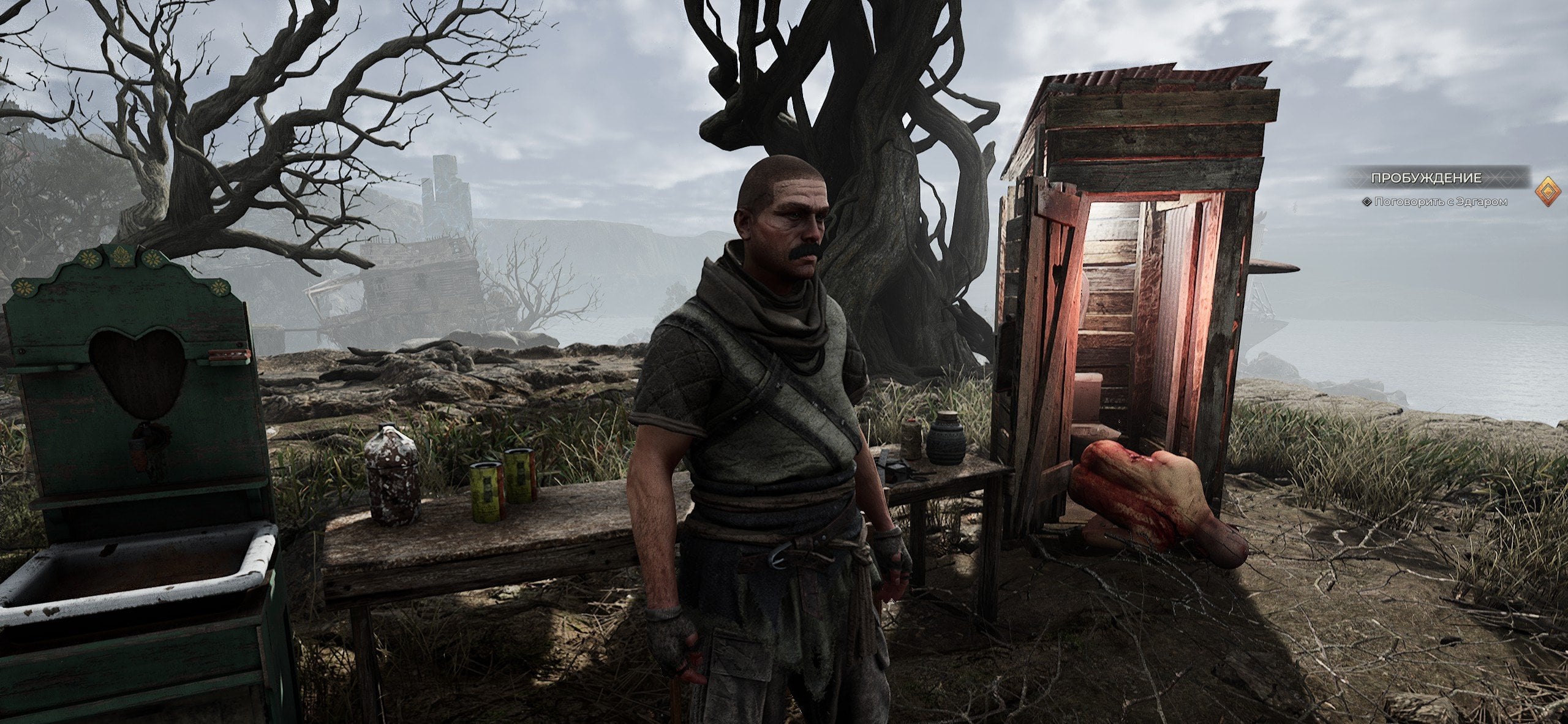
Progression in PIONER is centered on equipment and preparation rather than traditional RPG leveling. Your loadout includes the following slots:
- Head
- Hands
- Backpack
- Torso
- Special (artefact)
- Legs
- Weapon slot 1
- Weapon slot 2
Each of these slots can be crafted or found during one of your expeditions.
Weapons and Customization
PIONER weapons are a core pillar of progression and come in different technological tiers, ranging from improvised weapons to Warsaw Pact and NATO-style firearms. Each weapon type handles differently, emphasizing recoil control, accuracy, and positioning.
Weapon customization allows you to adapt firearms to specific situations. Attachments affect how a weapon behaves in combat, making customization just as important as raw damage output.
Common modification effects include:
- Improved recoil control or handling
- Faster reloads BLOG20
- Better target acquisition through optics
Attachments also vary in quality, so upgrading mods becomes part of long-term progression.
Armor and Outfits
Armor and outfits are not cosmetic-only. Different sets provide varying levels of protection and are better suited for specific threats, such as anomaly exposure, heavy PvE combat, or PvP encounters. Visual differences also make it easy to recognize equipment tiers and roles, reinforcing the importance of loadout choice.
Skills and Character Development
Character progression complements gear rather than replacing it. Experience gained from quests and combat grants skill points that can be invested into focused skill paths. These skills provide practical bonuses related to crafting, survival, anomaly interaction, vendor efficiency, or group play. Skill trees are relatively compact, but each choice has a noticeable impact on how your character functions.
Blueprints, Resources, and Artifacts
Progression is tightly linked to crafting systems. New weapons, armor, and upgrades require blueprints before they can be crafted or improved. Resources are gathered through exploration, PvE activities, and PvP encounters, while rare artifacts are usually found near anomalies or in high-risk areas. Artifacts play a key role in advanced crafting and are among the most valuable items in the game.
Taken together, progression in PIONER rewards preparation and decision-making. you grow stronger by improving their equipment, choosing meaningful upgrades, and understanding which tools are needed to survive deeper parts of Tartarus.
Crafting and Resources
Crafting in PIONER is tightly integrated into survival, progression, and long-term play. It is not a background system but something you interact with constantly, whether they are repairing weapons, converting materials, or preparing for dangerous expeditions. The crafting interface reflects this by combining crafting, repairing, dismantling, and upgrading into a single, unified workflow.
Most crafting actions are performed at dedicated workbenches found in settlements, safe zones, and player outposts. The crafting menu is divided into clear categories that reflect how items are used in gameplay. From the interface, you can switch between crafting new items, repairing damaged gear, dismantling broken equipment, or converting materials into higher-tier components.
Crafting categories typically include basic items, ammunition, medicine, weapons, food, and conversion recipes. This structure makes it easy to understand what can be produced at any given stage of progression and keeps the system readable even as more blueprints are unlocked.
Resources and Material Conversion
Resources are obtained primarily through exploration, looting, combat, and quest rewards. Early-game materials are common and plentiful, while higher-tier components require refinement or conversion. The crafting system allows you to turn large amounts of basic scrap into fewer, more valuable materials needed for advanced equipment.
Common material types shown in the interface include metals, fabric, plastics, mechanical parts, and anomaly-related components. Conversion recipes allow you to gradually climb the material ladder instead of relying purely on rare drops.
This system encourages consistent scavenging rather than grinding a single activity.
Weapon Crafting, Repair, and Durability
Weapons and armor degrade with use, making repairs a constant necessity. The repair interface allows you to restore durability by consuming specific materials, with repair efficiency scaling based on how many components are used. Partial repairs are possible, letting you decide whether to fully restore an item or save resources.
Here’s a few PIONER tips about crafting:
- You can dismantle broken or outdated equipment into components. This creates a loop where old gear feeds directly into future upgrades instead of becoming useless inventory clutter.
- Use the dismantled materials to repair items with low durability
- Invest the dismantled materials into crafting higher-tier materials.
Blueprints and Traders
Most items cannot be crafted without first unlocking their blueprint. Blueprints are acquired through exploration, quest rewards, or purchased from traders tied to specific crafting disciplines. Traders sell blueprints for weapons, medicine, food, and utility items, reinforcing the importance of visiting hubs and maintaining access to settlements.
Some blueprints are easy to obtain early, while others are deliberately placed deeper in the world or locked behind higher-risk activities.
Conclusion
Despite all the controversies and problems with the game during the open tests and demos, Pioner remains to be a pretty ambitious project that actually works. Every mechanic and feature planned, exists in the game and works as intended. Maybe, the game isn’t super innovative, but the unique setting inspired by Fallout and post-soviet apocalypse does its thing. Tartarus is a memorable place, even though we already saw something similar in Atomic Heart.
Either way, if you like ope-world mmo shooters with crafting, give it a try. We don’t have that many games like this, the one alternative being Fallout 76.
F.A.Q.
How to start playing Pioner?
Get the game, create the character (doesn’t affect the story), and complete the prologue tutorial. After that you will be sent into one of the social hubs from where you will have the freedom to do what you want.
Does Pioner have PvE raids or dungeons?
Yes, Pioner does indeed have raids designed for groups of you and other instanced content such as the one-player dungeons, etc.
How does PvP work in Pioner?
There are different pvp modes in the game, including open-world pvp in specific locations of the map, the extraction-style pvp mode and more classic, objective based PvP modes.
Can I build a home in Pioner?
While you can’t build anything you want, you can in fact build an Outpost in specific places of the map and outfit it with crafting stations and other useful items.